Over 1 Million Turks Face Legal Action Over Personal Debt as Defaults Surge in 2025
 Debt
Debt
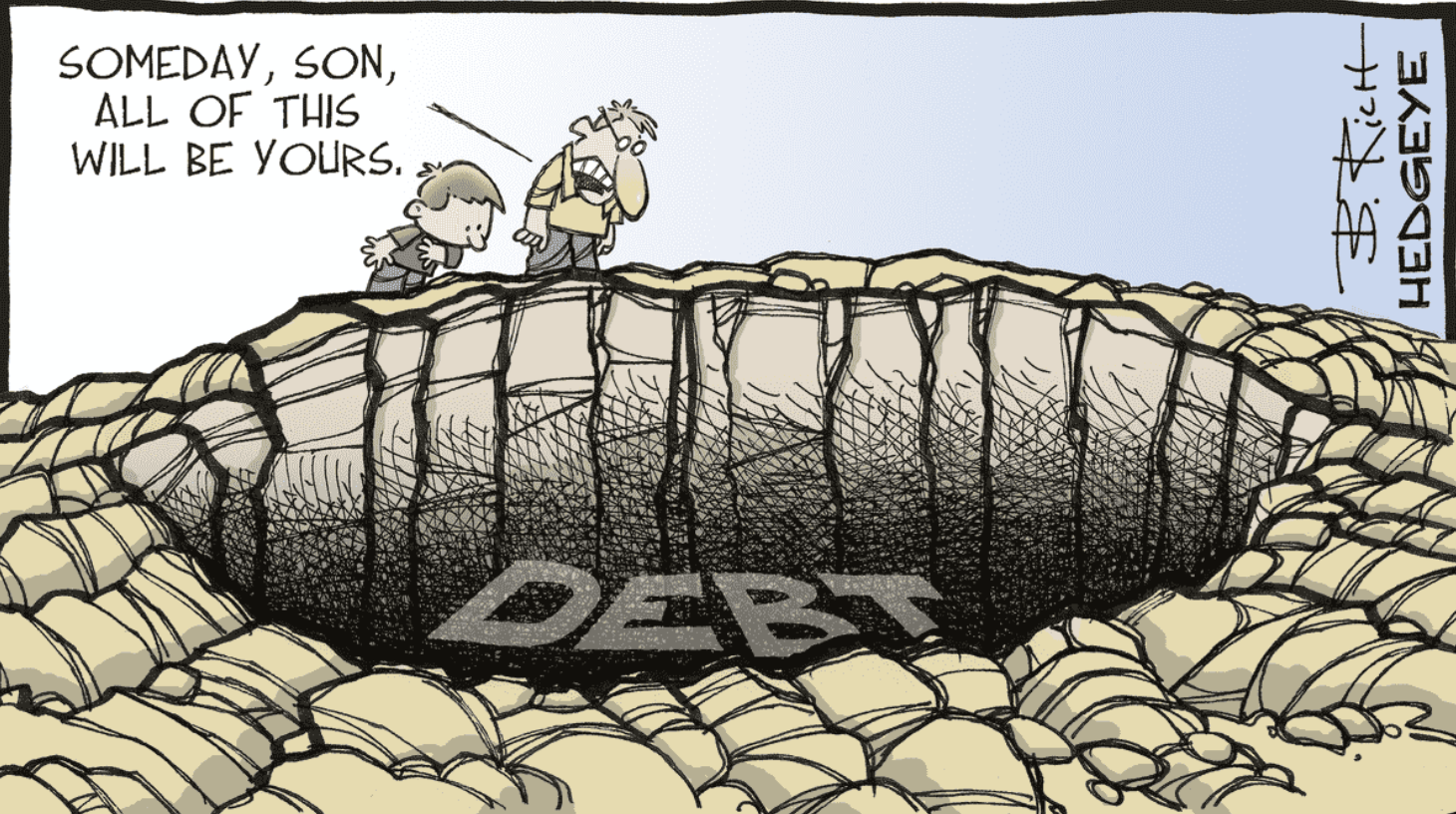
In the first five months of 2025, more than 1 million individuals in Türkiye were subjected to legal proceedings due to unpaid personal loans and credit card debts, revealing a deepening crisis in household debt management. According to recent data from the Risk Center of the Banks Association of Turkey (TBB), both the number of defaulters and the volume of non-performing loans have seen sharp increases amid persistent high inflation and rising interest rates.
One Month, Over 333,000 New Defaulters
In May 2025 alone, a total of 333,740 individuals entered legal follow-up due to debt default. Of these, 162,617 were unable to repay credit card debt, while 171,123 failed to meet their loan obligations. This represents a significant monthly spike that underscores the growing strain on consumers’ ability to repay short-term borrowing.
Debt Defaults Soar by 39% Year-over-Year
Looking at the broader picture, 1.039 million people fell into legal default between January and May 2025, marking a 39% increase compared to the same period in 2024. Analysts warn that this rising default trend reflects a structural breakdown in debt sustainability, especially for fixed-income households struggling with surging costs of living.
Bad Loan Balances Explode by 177%
It’s not just the number of defaulters that’s alarming—the value of non-performing personal debt is also skyrocketing. As of May 2025, the total amount of individual loans (including credit cards) marked for write-off or restructuring surged to ₺199 billion, a 177% increase year-over-year.
This escalation presents serious implications for Türkiye’s banking sector, as banks must now manage the growing risk of defaulted retail loans, potentially leading to higher provisioning costs and tighter lending conditions ahead.
Financial Pressure Intensifies for Households
Financial experts attribute this situation to the tight monetary policy pursued to fight inflation, which has also driven interest rates higher and eroded repayment capacity—especially among low- and middle-income borrowers. With economic stress mounting, economists caution that if the current trajectory continues, even broader segments of the population could become entrapped in debt spirals.
Related articles
Debt Distress Deepens in Turkey as Cost of Living Crisis Hits Households and SMEs

Turkey’s Banking Data Shows Decline in Deposits as KKM Accounts Shrink Further

Turkey’s Currency-Protected TL Deposits Continue Decline