OPINION: The European Union’s Comfort Zone of Unresolved Conflicts
 ab dis politika
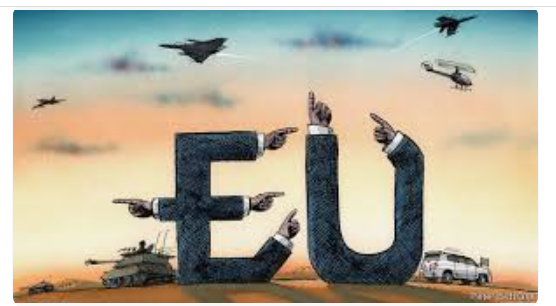
The European Union has long portrayed itself as a “peace project,” rooted in reconciliation after decades of war on the European continent. Yet beyond its borders, the EU’s record in conflict resolution reveals deep structural and political limits. From Gaza to the Western Balkans and Cyprus, recent crises show that the Union struggles not only to broker peace, but also to uphold humanitarian responsibility when political unity falters.
A Peace Project With External Limits
Within Europe, the EU’s identity as a peace-building enterprise has strong historical foundations. Economic integration and political interdependence transformed a war-torn continent into a zone of relative stability. Outside the Union, however, this narrative weakens. The devastation in Gaza has laid bare the EU’s difficulties in responding decisively to large-scale humanitarian catastrophes.
At the core of this weakness lies the EU’s inability to act as a single political actor in foreign and security policy. Decision-making depends heavily on consensus among member states, making it extremely difficult to adopt clear, binding positions in high-conflict situations. As a result, the EU often defaults to managing crises through technical instruments rather than shaping outcomes through political leadership.
Israel–Palestine: Humanitarian Leadership Without Political Leverage
Nowhere is this contradiction more visible than in the Israel–Palestine context. The EU has consistently voiced support for a two-state solution and remains one of the largest providers of humanitarian aid to Palestinians. Yet in the face of Gaza’s destruction, the Union failed to produce a unified call for a ceasefire, a consistent political stance on violations of international humanitarian law, or a coherent position on arms exports.
This fragmentation has undermined not only the EU’s political influence but also its humanitarian effectiveness. While aid commitments remained strong on paper, the absence of political will to protect civilians on the ground exposed the limits of a purely technocratic approach.
Managing, Not Resolving, Conflict in the Western Balkans
A similar pattern is visible in the Western Balkans. In Bosnia and Herzegovina, the EU played a central role in post-war reconstruction and institutional reform. Yet ethnic divisions, constitutional paralysis and crises of political representation remain largely unresolved.
In the Kosovo–Serbia dialogue, technical agreements have been reached, but fundamental political issues such as recognition and sovereignty continue to be deferred. Here too, the EU appears more focused on containing conflict than resolving it.
Eastern Partnership and the Limits of Technocratic Peace
Under the Eastern Partnership framework, the EU has promoted reforms and economic integration with countries such as Georgia, Moldova and Ukraine. Yet when confronted with security threats and frozen conflicts, its influence has remained limited.
Peace, in these cases, has largely been treated as a matter of regulatory alignment rather than geopolitical risk management—leaving the Union ill-equipped to respond when security crises escalate.
Western Sahara: Norms Versus Interests
The Western Sahara dispute further highlights the tension between the EU’s normative rhetoric and its interest-driven practices. While the Union formally supports the right to self-determination, its trade and security cooperation with Morocco has effectively reinforced the status quo. The gap between legal rulings and political practice has weakened the credibility of the EU’s human rights discourse.
Cyprus: Importing the Conflict Into the Union
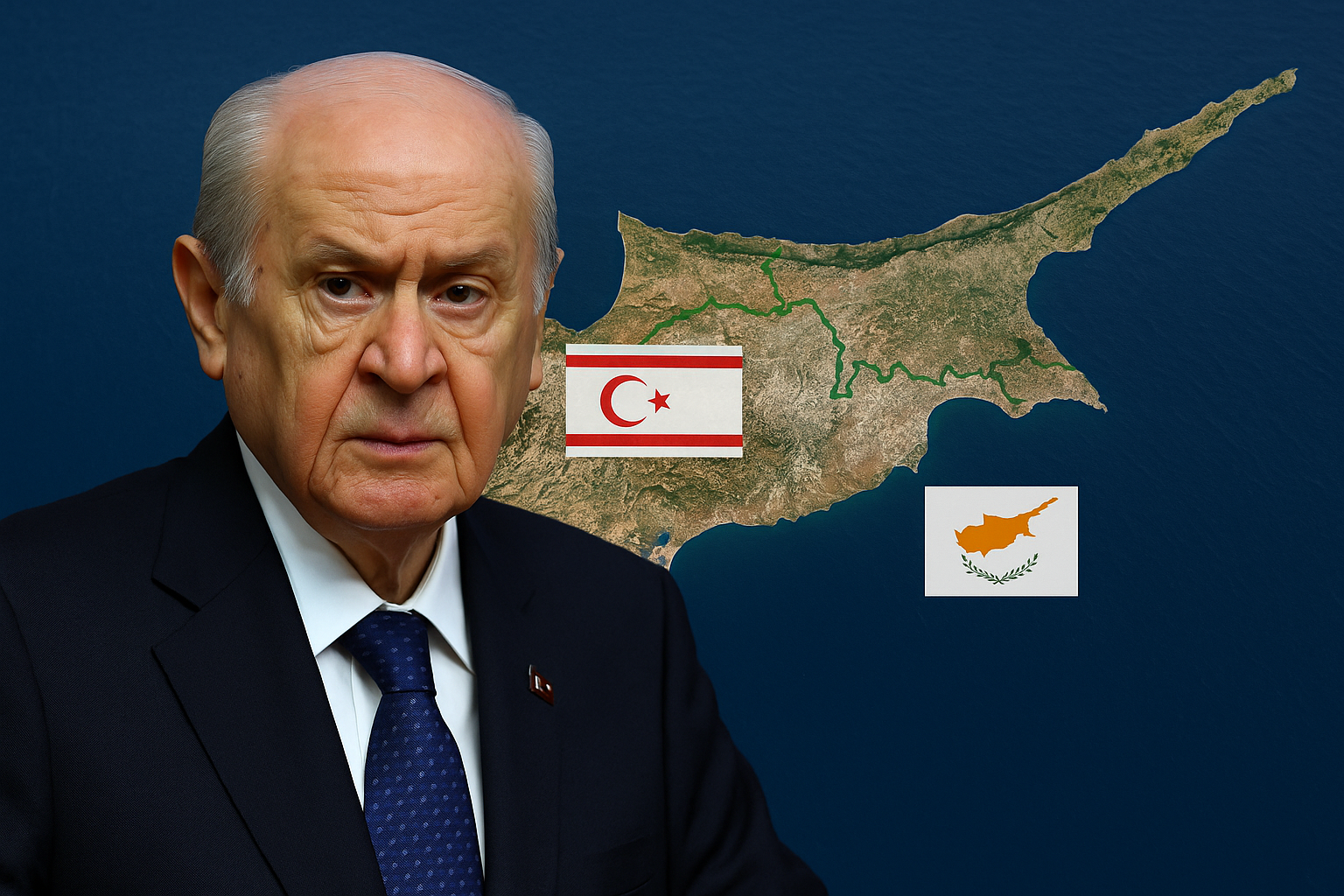
This structural pattern also applies to Cyprus. The island’s accession to the EU in 2004 without a political settlement did not resolve the conflict but instead internalised it within the Union. Although measures such as the Green Line Regulation and financial assistance eased daily life, the EU avoided taking a decisive role on core issues such as political equality and power-sharing.
The Gaza crisis serves as a warning here: unresolved political problems do not disappear. They accumulate humanitarian and social costs over time.
A Structurally Constrained Actor
The EU is not so much a failed peace actor as a structurally constrained one. It performs effectively in technical and economic domains but remains cautious when confronted with the political and humanitarian thresholds that define modern conflicts. The case of Palestine demonstrates that such caution can erode not only peace prospects but also humanitarian responsibility.
This lesson applies across all conflict dossiers involving the EU, including Cyprus. The central question is no longer whether the Union can manage crises, but whether it is willing—and able—to confront their political roots.
Source: Diken, Meta Hatay
PA Turkey intends to inform Turkey watchers with diverse views and opinions. Articles on our website may not necessarily represent the views of our editorial board nor constitute an endorsement.
Follow our English YouTube channel (REAL TURKEY):
https://www.youtube.com/channel/UCKpFJB4GFiNkhmpVZQ_d9Rg
Twitter: @AtillaEng
Facebook: Real Turkey Channel – https://www.facebook.com/realturkeychannel/