



OECD: Women Earn Just 89 Cents for Every $1 Men Make
 Women inequality
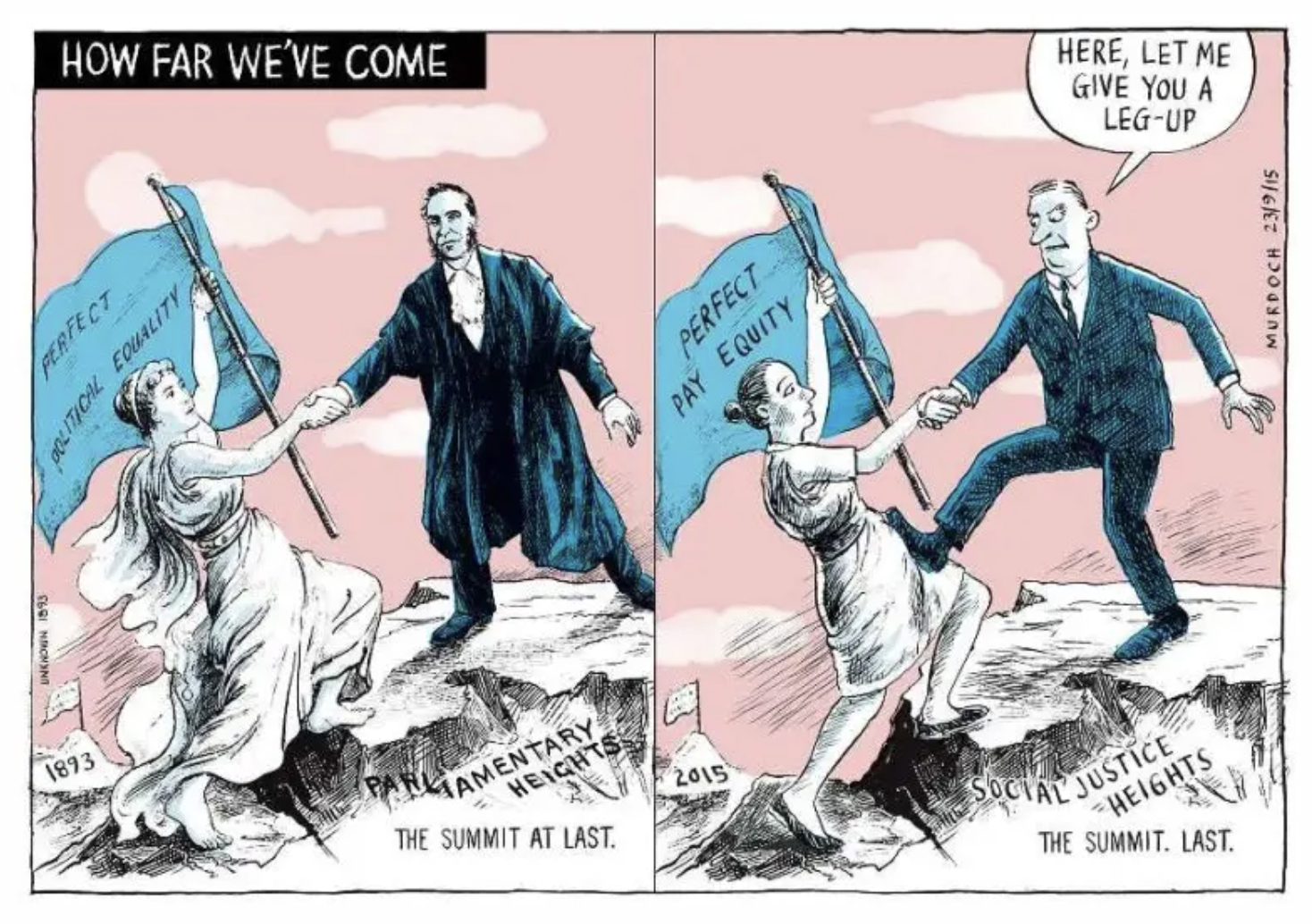
Women across OECD countries still earn significantly less than their male counterparts, despite more than a decade of progress. According to the OECD’s newly released “Gender Dashboard” report (2025), full-time female workers in 2023 earned on average 88.9% of men’s median income — the equivalent of just 89 cents for every dollar.
Global Progress, But Slow
The gender pay gap has narrowed from 14% in 2010 to 11.5% in 2023, but the OECD warns that progress remains painfully slow. The gap is not solely due to pay discrimination: women are more likely to work part-time, face barriers in career advancement, and are concentrated in lower-quality jobs.
This inequality not only hurts women’s earnings during their careers but also exposes them to greater poverty risks in retirement.
Where the Gap is Biggest
The pay gap is particularly severe in some countries:
-
Korea: 29.3% (highest in OECD)
-
Estonia: 24.7%
-
Japan: 22%
-
Israel: 20.8%
-
United States: 16.4%
-
United Kingdom: 13.4%
-
Germany & Mexico: over 14%
By contrast, Luxembourg stands out as the only country where women actually outearn men, with a reverse gap of -7.8%. Belgium, Colombia, and Costa Rica are also close to pay parity.
Turkey: Gap Smaller, But Still Stark
In Turkey, full-time working women earned 10% less than men in 2023. While this is better than the OECD average, the gap remains in double digits, raising concerns about long-term equality.
Political Representation Also Unequal
The OECD report doesn’t just highlight workplace inequality. It also shows that in 2023:
-
Women held only 33.8% of parliamentary seats across OECD countries.
-
Women in ministerial positions were even scarcer.
The OECD warns that underrepresentation in politics and public administration slows progress toward gender equality, noting that more balanced participation leads to fairer and more inclusive policymaking.
A Call for Action
The report concludes that closing the gender gap requires action on multiple fronts:
-
Ensuring equal pay for equal work.
-
Increasing women’s participation in full-time, high-quality jobs.
-
Expanding representation in political and decision-making institutions.
Without these changes, the OECD warns, both economic and social costs of inequality will continue to weigh heavily on future generations.