



New Turkish Traffic Regulation Mandates Helmets, Gloves, and Goggles for Riders
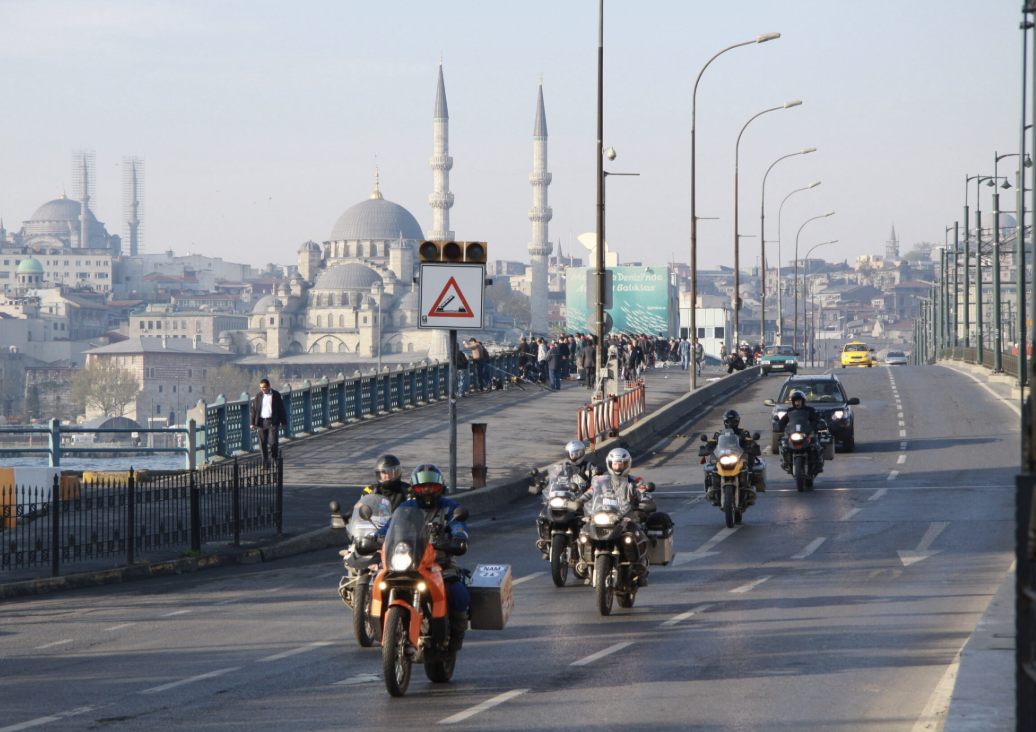 Motorbikes in Istanbul
A new amendment to Turkey’s Highways Traffic Regulation — published in the Official Gazette and effective as of November 4, 2025 — introduces stricter safety equipment requirements for two- and three-wheeled vehicle users.
Under the new rule, bicycle, electric bicycle, motorcycle, and T3-category tractor drivers manufactured after 2001 are now legally required to wear both protective gloves and safety goggles while riding. The Interior Ministry, which drafted and enforced the update, aims to enhance road safety and reduce injuries in traffic accidents involving lightweight vehicles.
The regulation also extends this requirement to motorcycle passengers, who must now wear both gloves and goggles in addition to helmets.
A Safety-First Overhaul for Two and Three-Wheeled Vehicles
According to details published in NTV, the updated regulation prioritizes personal protection and visibility, areas often overlooked in road safety discussions for smaller vehicles. The Ministry’s statement emphasizes that these new measures are designed to reduce fatalities and serious injuries caused by collisions, weather exposure, or debris impacts.
The changes cover a wide range of vehicle types — including pedal bicycles, e-bikes, motorbikes, scooters, and certain light agricultural tractors. The focus is especially on ensuring consistency between motorized and non-motorized riders, who now share similar obligations to use certified protective gear.
“The regulation aims to strengthen safety culture among all road users, from cyclists to tractor operators,” the Interior Ministry noted, highlighting the need for awareness in rural and urban traffic alike.
Detailed List of Mandatory Protective Equipment
The new traffic safety rules expand and clarify what equipment is considered essential for riders.
-
Protective Helmet and Goggles:
Cyclists, electric bike users, motorbike and motorcycle riders, and drivers of T3-category tractors manufactured after 2001 must now wear both a protective helmet and goggles at all times while operating their vehicles. -
Protective Gloves:
Motorcycle riders — including passengers — must wear protective gloves. The rule excludes three-wheeled cargo motorcycles and those with enclosed cabins, but applies broadly to open motorbikes and scooters. -
Passenger Safety:
Passengers riding on motorcycles are still required to wear helmets, but now must also use gloves and eye protection to comply with the new standards.
These additions aim to standardize the safety expectations across vehicle types and eliminate loopholes that previously exempted some users.
Penalties for Non-Compliance
The Interior Ministry has also specified the fine for failing to comply with the new protective equipment requirements.
Riders or passengers caught without mandatory gear will face an administrative fine of 993 Turkish lira (approximately $30 USD). Enforcement will be carried out by local and traffic police units, with immediate penalties issued during roadside checks or routine inspections.
Officials emphasized that the goal of the new measure is not punishment, but prevention — encouraging a culture of safety where proper gear is viewed as a necessity rather than an inconvenience.
Technical and Administrative Updates
Beyond protective equipment, the amended regulation also includes technical updates to streamline administrative procedures.
The new provisions allow the General Directorate of Security (EGM) to electronically access or share driver’s license and vehicle registration data with other public institutions, professional bodies, and private organizations.
This digitization effort is designed to improve efficiency in document verification, prevent fraud, and ensure up-to-date communication between agencies involved in traffic enforcement and licensing.
A Broader Effort to Reduce Road Fatalities
Turkey has made road safety a policy priority in recent years, particularly as motorcycle and e-bike usage has surged in major cities like Istanbul, Ankara, and Izmir. Accidents involving two-wheeled vehicles have risen sharply, often due to riders not wearing proper protection.
According to national traffic data, the majority of fatal or serious injuries among motorcyclists are related to head trauma and hand injuries, which the new rules specifically aim to mitigate.
Safety experts welcomed the regulation, noting that gloves and goggles significantly improve control, comfort, and reaction time — especially in harsh weather or heavy traffic.
“This is a step forward in harmonizing Turkey’s road safety standards with those of the European Union,” said one transportation analyst. “The challenge now is public compliance and consistent enforcement.”
Looking Ahead: Awareness and Enforcement
The Interior Ministry is expected to launch a nationwide awareness campaign to inform the public about the new obligations, focusing on training, signage, and social media outreach.
Authorities have urged all riders to equip themselves immediately, warning that enforcement will begin without delay as the regulation is now fully in force.
By expanding the definition of “mandatory protective gear,” the Ministry hopes to save lives and reduce long-term injury risks on Turkey’s increasingly crowded roads.