Mustafa Akyol: No, Turkey Is Not the Next Iran
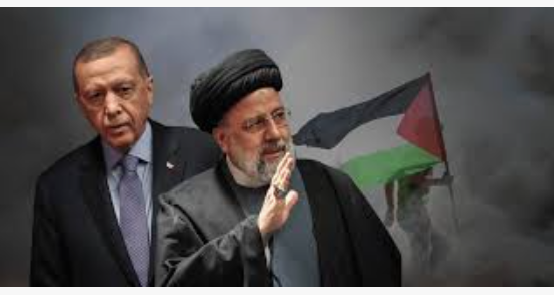 rte-hamaney
Erdoğan’s illiberal “New Turkey” may yet play a constructive role in building peace in the Middle East
Summary:
Mustafa Akyol, senior fellow at the Cato Institute, argues that fears of Turkey becoming “the next Iran” are misplaced. While President Erdoğan’s domestic record raises concerns about democracy and freedom, Turkey’s pragmatic influence, moderate Islamism, and renewed regional diplomacy could make it a vital bridge for peace in the post-Gaza Middle East.
Ankara’s Complex Relationship with Hamas
In his latest commentary, Akyol recalls remarks by Bülent Arınç, one of President Erdoğan’s longtime confidants, made just days after Hamas’s October 2023 attack on Israel. Arınç criticized Hamas’s refusal to recognize Israel and its repeated rocket attacks, warning that such actions “only bring destruction upon Gaza.”
Akyol argues that Arınç’s comments reveal an often-misunderstood reality: Turkey’s ties with Hamas include pressure for moderation, not unconditional support. Ankara’s stance, he notes, has long been rooted in backing a two-state solution — not in pursuing Iran-style militancy.
From Tehran to Ankara: A New Regional Axis
Since the 1980s, Iran’s “axis of resistance” — encompassing Syria, Hezbollah, the Houthis, and Hamas — has radicalized the Palestinian cause through militancy and anti-Israel rhetoric. The result, Akyol notes, has been disastrous for Palestinians, provoking devastating Israeli retaliation.
Turkey, by contrast, offers a moderate alternative. For decades, Ankara has officially supported Palestinian statehood through diplomacy rather than warfare. Akyol suggests that in a “new Middle East” — where Syria aligns more with Turkey than with Iran, and Hamas looks toward Ankara and Doha instead of Tehran — diplomacy may finally have a chance to prevail.
Erdoğan’s Authoritarianism and Realpolitik
Akyol acknowledges that Erdoğan’s domestic record remains deeply troubling. The decline in free speech, judicial independence, and opposition rights has disillusioned many democrats — himself included. Yet, he cautions, peace cannot wait for perfect democracies.
“Global diplomacy often requires working with illiberal regimes when they serve peace,” Akyol writes, noting that Erdoğan’s cooperation with President Trump helped stabilize post-Assad Syria and paved the way for ceasefire talks in Gaza.
“Islamism” Misunderstood
In the West, Erdoğan’s ideology is frequently labeled “Islamist” — a term often associated with violent extremism or theocratic rule. But Akyol argues that Islamism spans a broad spectrum, ranging from hardline radicals to pragmatic conservatives such as Turkey’s AKP and Tunisia’s Ennahda movement.
After 23 years of AKP rule, Turkey remains a secular republic, a NATO member, and a capitalist economy open to tourism and foreign investment. Alcohol is taxed but legal, mosques coexist with nightclubs, and no “religious police” patrols the streets.
Rather than a budding theocracy, Akyol describes Turkey as a Muslim-majority democracy evolving toward a post-secular equilibrium — a model that blends faith and modernity without reverting to Iran-style repression.
The Real Meaning of “Neo-Ottomanism”
Western analysts often use “neo-Ottomanism” as a pejorative term implying imperial ambition. Akyol argues that, for Erdoğan’s administration, the concept is closer to “soft power and historical responsibility” — emphasizing economic integration, diplomacy, and cultural influence across former Ottoman lands.
This approach, he notes, has improved relations with minorities and even advanced internal reconciliation efforts such as the renewed peace process with the PKK. If successful, Akyol writes, this initiative could bring stability not only to Turkey but also to Iraq and Syria.
Israel’s Missed Opportunity
Israel’s current government, Akyol warns, risks alienating Muslim actors who are both pro-Palestinian and pro-peace. “Turkey supports Hamas, that’s a simple equation,” Israeli minister Amichai Chikli recently said. But the reality, Akyol counters, is more complex.
During recent hostage negotiations, Turkey and Qatar played critical mediation roles, with Turkish intelligence chief İbrahim Kalın reportedly exerting “significant pressure” on Hamas leaders. Even U.S. officials privately acknowledged that “the Turks were very helpful in getting the Gaza deal,” while noting that Netanyahu’s public attacks on Ankara were “counterproductive.”
The Path Forward: Ending the Endless Wars
Akyol concludes that Washington must revive President Trump’s long-declared mission to end the “endless wars.” Achieving this, he argues, requires restraining Israel’s expansionist impulses and engaging regional powers capable of influencing militant actors.
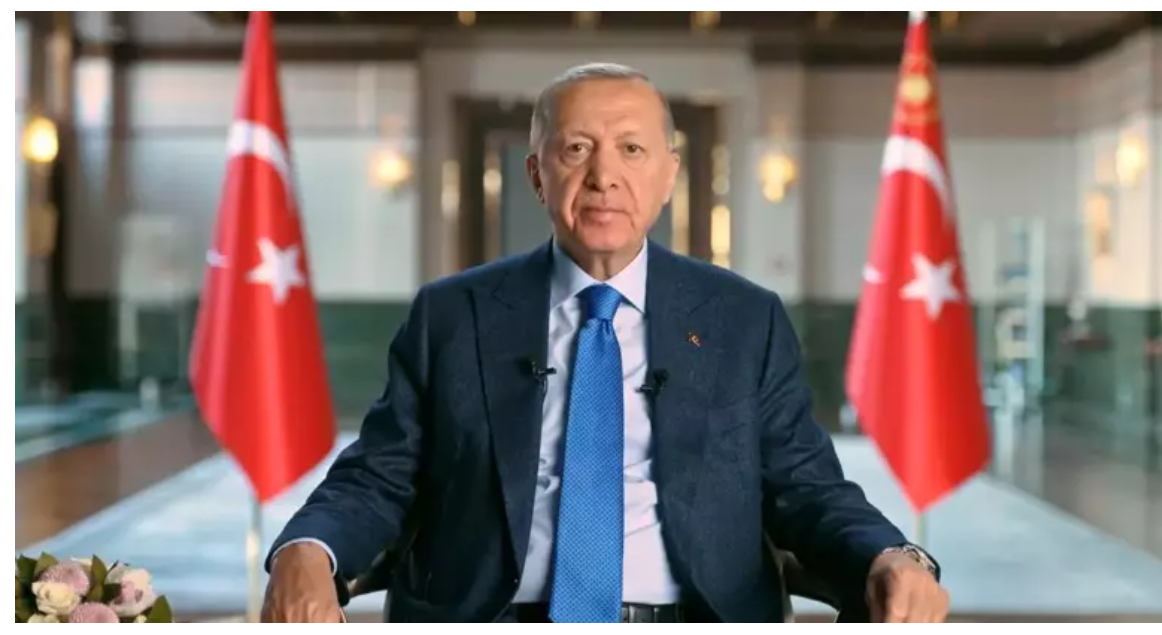
Chief among these, whether one likes it or not, is President Erdoğan — a leader whose blend of pragmatism, legitimacy, and leverage could make him a crucial partner in reshaping the post-Gaza order.
PA Turkey intends to inform Turkey watchers with diverse views and opinions. Articles on our website may not necessarily represent the view of our editorial board or count as endorsement.
Follow our English-language YouTube channel @REAL TURKEY: https://www.youtube.com/channel/UCKpFJB4GFiNkhmpVZQ_d9Rg
Twitter: @AtillaEng
Facebook: Real Turkey Channel