Minister Uraloğlu: Türkiye’s Transport Infrastructure Resilient, Road Network Expansion Continues
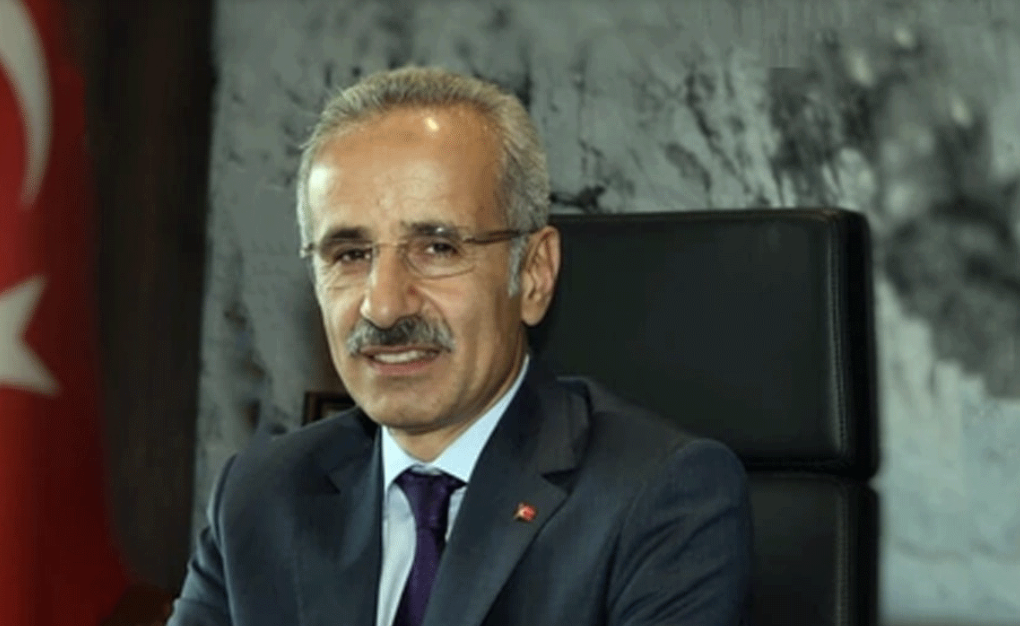 abdulkadir uraloğlu
Transport and Infrastructure Minister Abdulkadir Uraloğlu announced that no damage occurred to Türkiye’s major transport infrastructures—including highways, airports, railways, metro lines, and maritime structures—following the April 23, 2025 earthquake. Speaking at the 75th Regional Directors Meeting of Highways, Uraloğlu emphasized that Türkiye’s critical infrastructure, such as the Osmangazi and Yavuz Sultan Selim bridges, was engineered to remain operational even during severe earthquakes.
“In the event of a major earthquake, Istanbul, Kocaeli, and Sakarya will maintain uninterrupted access via the Northern Marmara Motorway,” he stated, underscoring the country’s focus on earthquake-resilient transport systems.
A Legacy of Road Building from the Ottoman Era to Today
Highlighting Türkiye’s long-standing state tradition in road construction, Uraloğlu traced the roots of the Highways General Directorate back to the Şose ve Köprüler Reisliği in 1934 and further to the Ottoman era. Officially founded in 1950, the Directorate has played a pivotal role in Türkiye’s modernization efforts, he noted.
“Our ancestors built roads with limited means in a challenging geography, and their efforts hold immense value,” Uraloğlu said, linking past achievements to current ambitions.
Continuing a Tradition of Progress
Recalling that during the early Republican period, travel time between Ankara and Istanbul was reduced from 79 hours to 18 hours, Uraloğlu framed modern highway projects as a continuation of this transformative legacy.
“This legacy entrusted us not just with building roads, but with constructing the future of our nation,” he remarked. “At every milestone, we have aimed for better and greater achievements, creating a high-standard, future-ready road network.”
He added that regional directors’ meetings serve not just as bureaucratic forums, but as gatherings where shared vision, passion for service, and national development goals are renewed and reinforced.
Expanding Türkiye’s Divided Road Network
Under the leadership of President Recep Tayyip Erdoğan, Türkiye’s divided road network has expanded significantly—from 6,101 kilometers in 2002 to 29,742 kilometers today, Uraloğlu detailed. This expansion now accounts for 43% of the total road network and handles 83% of traffic flow.
In addition, the average travel speed on highways has risen from 40 km/h to 90 km/h, while vehicle numbers surged from 8.5 million to over 31 million. Importantly, despite increased mobility—up by 195%—road accident fatalities have dropped by 77%, reflecting Türkiye’s commitment to safety.
“Our goal remains clear: with the vision of ‘Every Life is Valuable,’ we are determined to achieve zero fatalities on our roads,” Uraloğlu concluded.