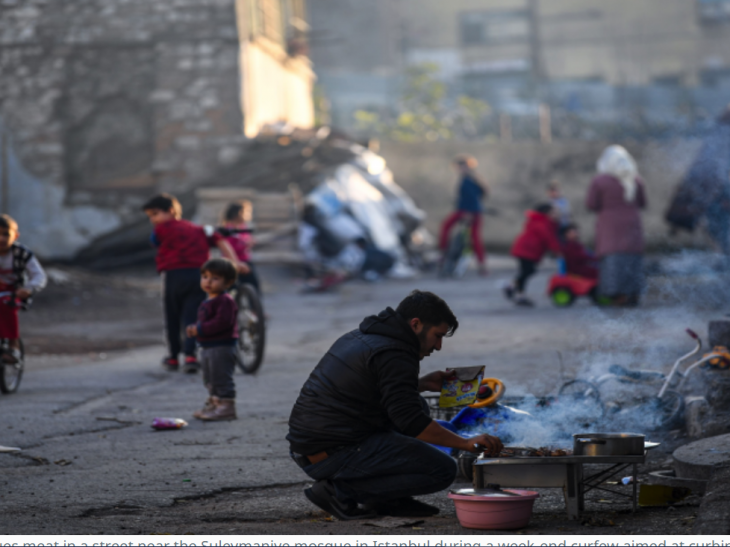
Minimum Wage in Türkiye Falls Below Hunger Line Amid Soaring Inflation
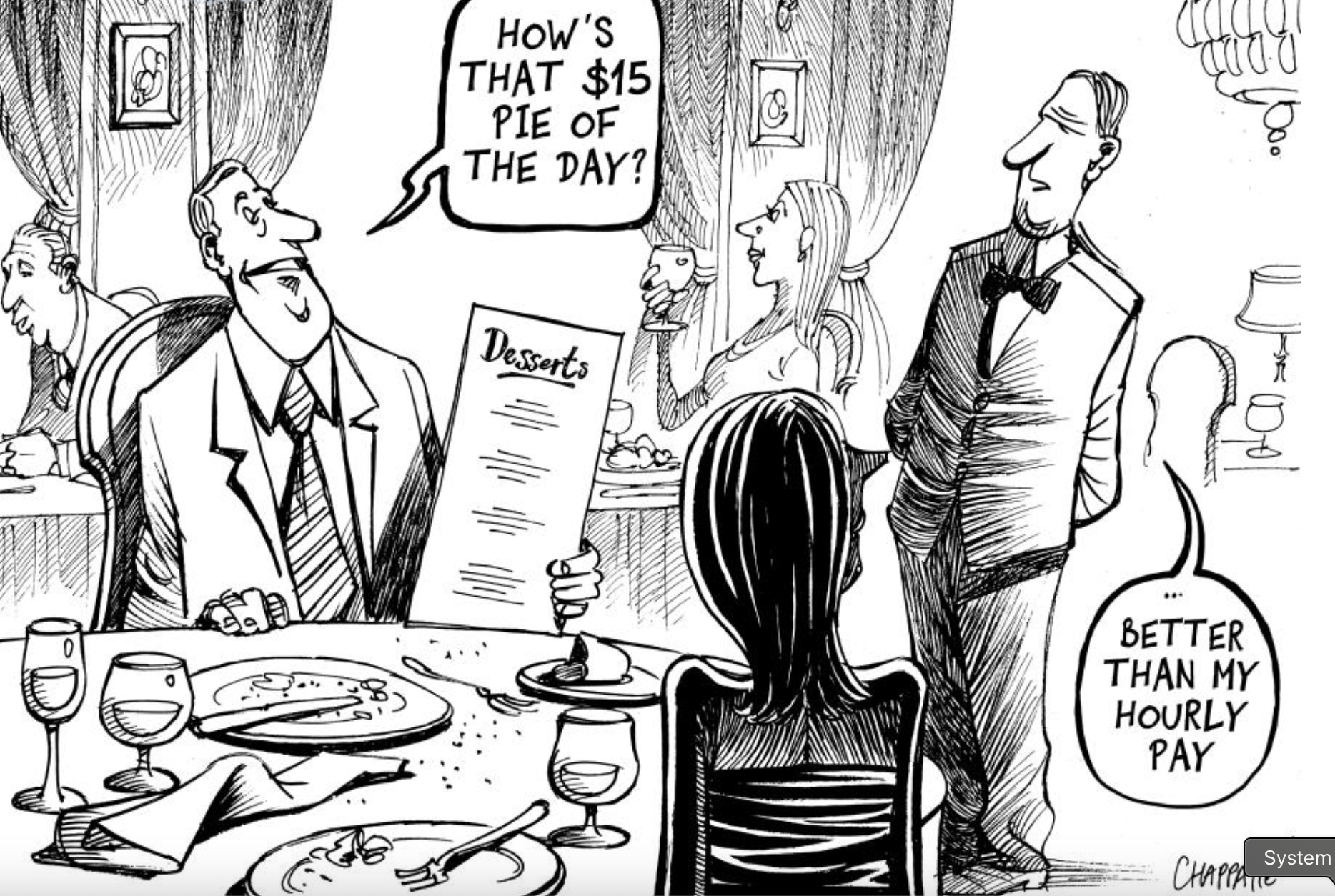 Minimum Wage by Patrick Chappatte
As of June 2025, Türkiye’s minimum wage has dropped over ₺4,000 below the hunger threshold, amplifying concerns about the erosion of purchasing power due to persistent inflation. While the official net minimum wage stands at ₺22,104, the Türk-İş labor union reports that the hunger line—the minimum monthly cost for an individual to afford essential food—has climbed to ₺26,115. The poverty line, which reflects a family’s basic living costs, has surged to ₺85,066, nearly four times the minimum wage.
According to Nefes Gazetesi, a single worker now faces an average monthly living cost of ₺33,586, meaning they are short by ₺11,482 each month. In real terms, minimum wage earners can only cover 20 days of basic needs with their current salary.
Although Finance Minister Mehmet Şimşek announced that inflation had dropped from 72% to 35%, the impact on wages has been severe. Experts note that in 2024, the cumulative loss in value for minimum wage earners exceeded ₺7,500, with an additional loss of ₺3,685 already accrued in the first half of 2025.
The idea of a mid-year wage hike has resurfaced, given that historically, Türkiye revised the minimum wage more than once annually in periods of economic volatility. Yet, in both 2024 and 2025, wages were only raised at the start of the year, leaving workers exposed to inflationary pressures for the remainder.
Prof. Dr. Aziz Çelik, a labor policy expert, argues that the minimum wage must be increased to at least ₺35,000 to keep up with the current cost of living. “Even by official inflation and growth data, raising wages to ₺30,000 is a necessity,” he stated. He also pointed out that while the government raised the lowest pension to ₺16,881, no similar adjustment has been made for minimum wage earners.
Çelik warns that freezing wages in the name of inflation control risks deepening poverty: “There’s no scientific evidence that wage increases directly fuel inflation. Suppressing wage growth only intensifies the financial burden on millions.”
Related articles

Hunger Line Breaks ₺30,000 as Cost-of-Living Crisis Deepens in Turkey
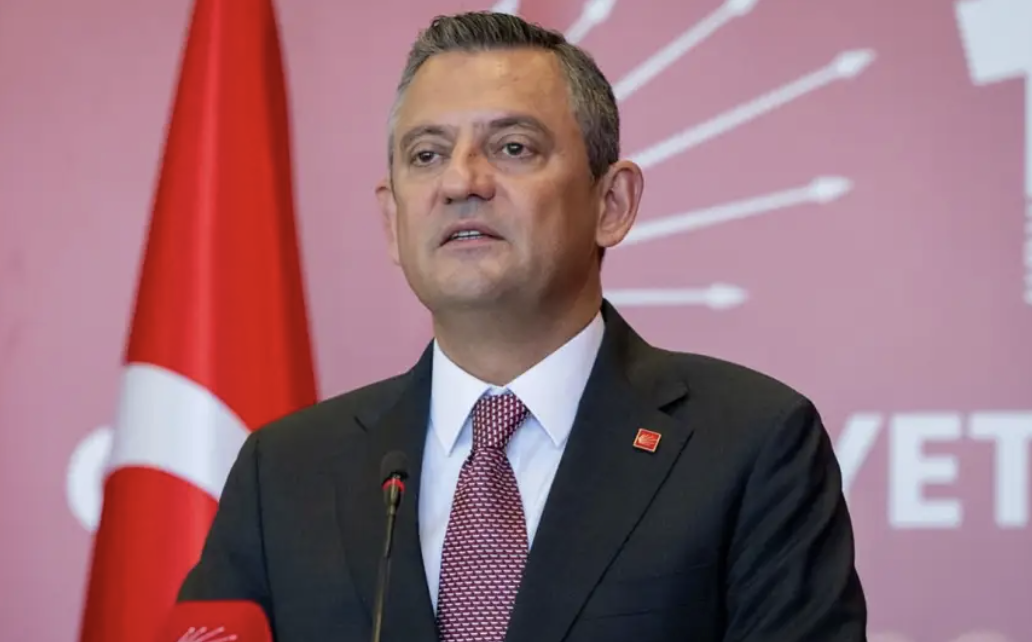
Özgür Özel Warns 2026 Minimum Wage Falls Below Hunger Line, Calls for Early Elections
Hunger and Poverty Thresholds Surge in Turkey as Living Costs Hit New Highs in 2026