Marmara Sees 94% Rainfall Decline, Istanbul Faces Record June Drought
 Drought in Turkey
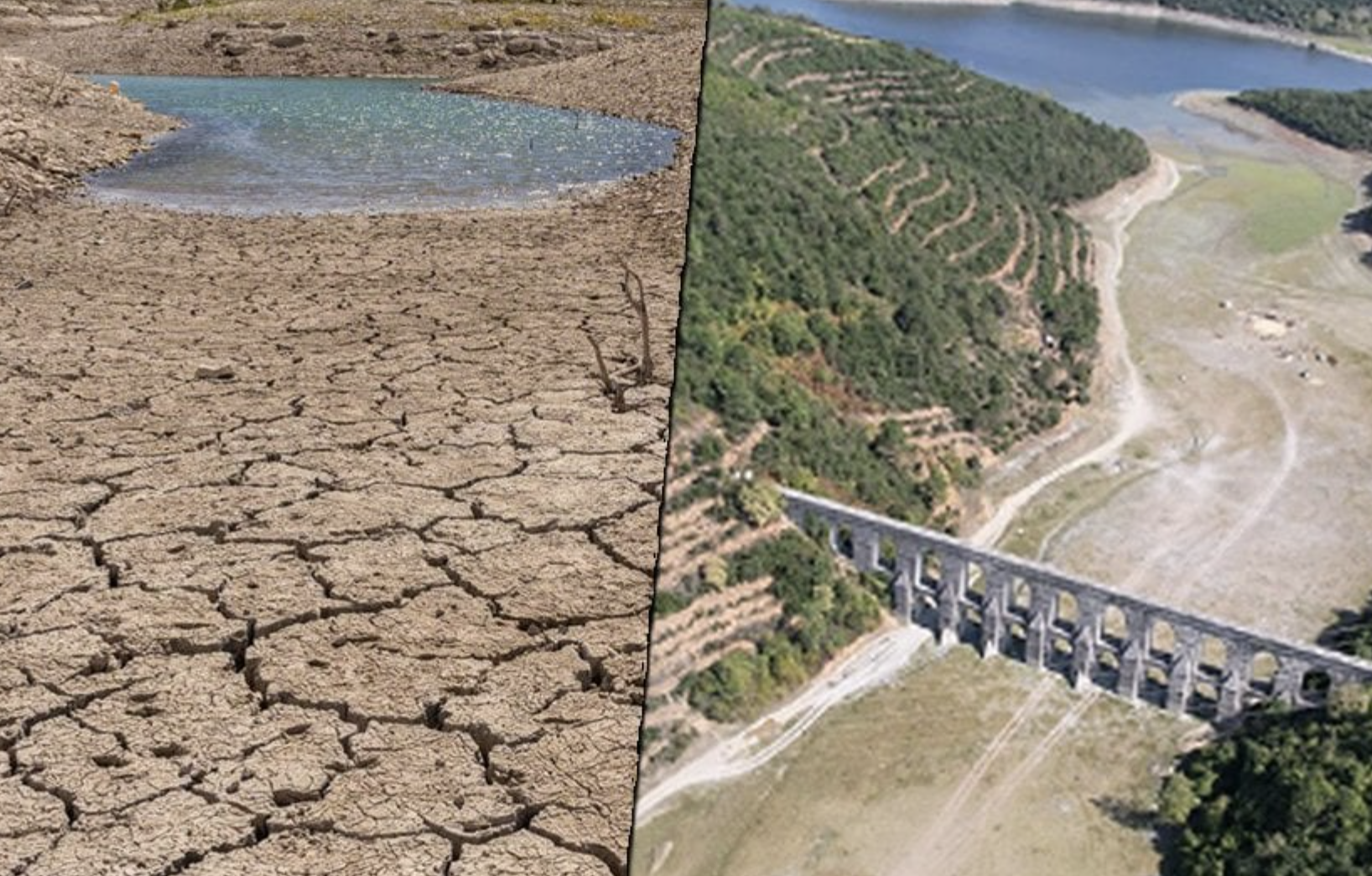
The Marmara Region experienced a staggering 94% drop in rainfall in June 2025 compared to long-term averages, according to data from the Turkish State Meteorological Service. The situation is especially critical in Istanbul, where just 0.5 millimeters of rain fell last month—the lowest June rainfall in 65 years.
Compared to the long-term average of 41.5 mm, the region received only 2.4 mm in June. This also marked a 29% decline compared to June 2024, which itself had already been an extremely dry month.
Istanbul and Thrace Break 65-Year Records
Among the hardest-hit provinces are Balıkesir, Kırklareli, Tekirdağ, and Edirne, all of which recorded the lowest June rainfall since 1960. But Istanbul stands out: with a 99% reduction from its seasonal norm, the city topped the list of most rainfall-deficient areas.
Climate Expert Warns of Deepening Water Crisis
Speaking to Anadolu Agency, Prof. Dr. Hüseyin Toros from Istanbul Technical University’s Climate Science and Meteorological Engineering Department confirmed that Turkey has been in a prolonged drought for the past two years. June 2025 continued the trend, marked by high temperatures and nearly no rainfall.
“In June, the Marmara Region was under high atmospheric pressure, leading to a 94% rainfall deficit,” said Toros. “In Istanbul, it was even worse—rainfall dropped 99% compared to historical norms.”
Water Use Surging as Reservoirs Decline
Toros emphasized the urgency of water conservation, revealing that Istanbul’s daily per capita water consumption has exceeded 200 liters, while reservoir levels have plummeted below 60%.
“If we run out of water, it will impact homes, businesses, agriculture—everything,” he warned. “With higher temperatures expected through late July and August, evaporation will rise, and so will demand.”
Experts Urge Immediate Conservation
Calling water “a vital resource”, Toros stressed that reducing household and commercial water use is essential to ensure long-term supply through the dry season.
“We must act now to manage consumption,” he said. “Once our reservoirs are empty, refilling them won’t be easy.”