



“Made in EU” Wall Rises: Europe’s New Auto Rules Put TOGG at a Crossroads
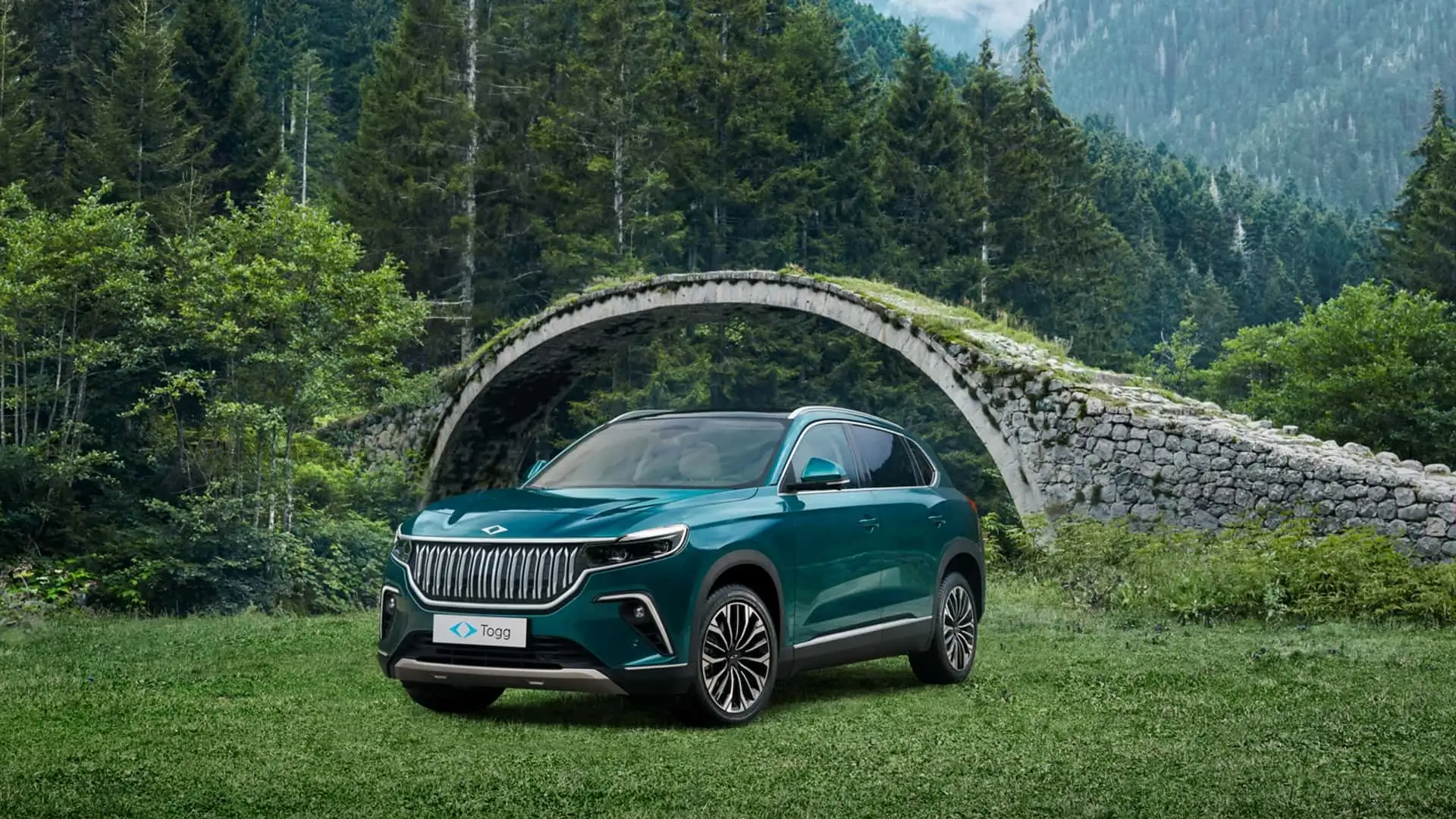 togg
togg
Europe is entering a decisive new phase in global trade. Faced with intensifying competition, supply-chain vulnerabilities, and China’s growing industrial dominance, the European Union is stepping away from classical free-market orthodoxy and embracing an “economic security” doctrine designed to protect its industrial base. At the center of this shift is a sweeping set of automotive rules widely referred to in Brussels as the “Automotive Package”—a framework that could redraw production maps across the continent and beyond.
From Green Transition to Industrial Shield
The Automotive Package builds directly on the Clean Industrial Deal announced in February and the Automotive Industry Action Plan unveiled in March. Together, these initiatives mark a strategic pivot: Europe still wants green mobility, but now insists it must also be European-made.
According to the 2026 Work Program of European Commission President Ursula von der Leyen, and confirmed by Industry Commissioner Stéphane Séjourné, the defining moment will come on 28 January 2026. That is when the Industrial Accelerator Act is scheduled for final approval, formally codifying the controversial “Made in EU” definition.
This label is far more than branding. It will determine which vehicles qualify for public subsidies, tax incentives, and access to Europe’s vast corporate fleet market.
What “Made in EU” Really Means
Draft proposals indicate that zero- and low-emission vehicle incentives will be restricted to cars manufactured within EU borders. More critically, electric vehicles will face stringent local content rules. Up to 70% domestic sourcing is planned for the most valuable components of the EV “tech stack”, including battery cells, battery packs, and key electronic systems.
This requirement directly targets the heart of EV value creation. Batteries alone account for a large share of total vehicle cost, especially in small, affordable electric cars, a segment currently dominated by Chinese manufacturers using aggressive pricing strategies.
Why Turkey Is Exposed
For Turkey, the stakes are unusually high. The country is deeply integrated into European automotive supply chains through the EU–Turkey Customs Union, hosting production lines for global brands and exporting hundreds of thousands of vehicles annually to Europe.
Local champions such as Togg, alongside international OEMs operating in Turkey, could find themselves locked out of incentives if their products fail to meet the new definition. That risk extends beyond final assembly to component suppliers, many of whom depend on EU demand.
The new framework also reaches into raw materials. The Automotive Package aims to turn Europe into a lead market for green steel, mandating that steel used in vehicles must be 40% low-emission by 2030 and 75% by 2035. A compulsory carbon footprint label for vehicles is also planned, nudging consumers toward locally produced, cleaner options.
Industry Warning from Istanbul
Turkey’s automotive industry is pushing back. Speaking on behalf of the sector, OSD President Cengiz Eroldu warned that excluding Turkey from the “Made in EU” scope would hollow out the very logic of the Customs Union.
“Excluding vehicles and parts produced in our country from this definition would eliminate the advantages the Customs Union brings to both Turkey and the EU, causing this structure to lose its function. Turkey’s exclusion would pose a major risk to the investment climate. Including Turkey in this definition is a strategic necessity to preserve competitiveness,” he said.
China’s Shadow and the Northvolt Shock
Europe’s new protectionism is not happening in a vacuum. One major catalyst was the collapse of Northvolt, once hailed as Europe’s battery champion. Its failure underscored how difficult it is for European firms to compete with Asian giants benefiting from scale and state support.
By contrast, Chinese firms such as CATL and BYD now control roughly 64% of Europe’s EV battery market, a statistic that has deeply unsettled policymakers in Berlin, Paris, and Brussels. Even Germany—long protective of the “Made in Germany” label—has shifted its stance, increasingly backing a unified “Made in EU” shield.
Ankara’s Delicate Balancing Act
In Ankara, the debate is equally intense. Industry and Technology Minister Mehmet Fatih Kacır has framed the issue as a strategic calculation, noting that Turkey must manage its policies carefully to remain an attractive investment hub while understanding Europe’s motivation to counter China’s dominance.
Trade officials, meanwhile, have raised concerns over World Trade Organization compliance, questioning whether strict local content rules could breach international trade norms.
A Fork in the Road
Investment decisions are already being affected. Chinese automakers have announced ambitious plans for Turkey, yet tangible production steps remain limited. Analysts link this hesitation to legal uncertainty in Brussels and manufacturers’ desire to secure guaranteed EU-origin status.
If Turkey is included in the “Made in EU” framework, experts argue it could emerge as Europe’s near-shoring hub, giving Turkish suppliers a decisive edge over Asian competitors. If excluded, domestic brands such as Togg, Karsan, Otokar, and Anadolu Isuzu risk losing access to Europe’s subsidy-driven EV market