LeMan Magazine Case: Senior Staff Released, Cartoonists Still in Detention
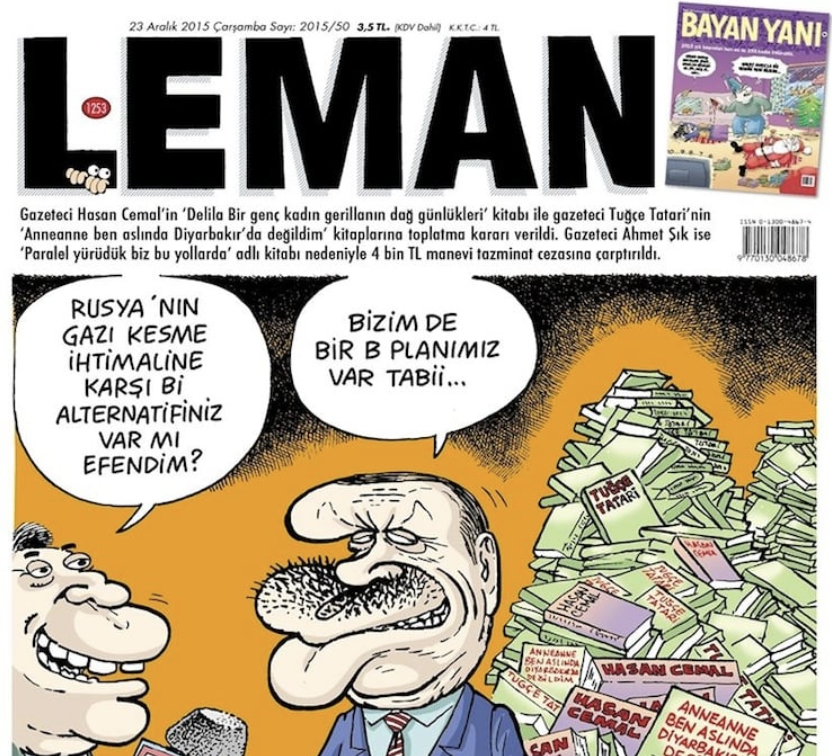 Leman
Leman
A legal battle surrounding Turkey’s long-running satirical magazine LeMan has intensified following a controversial cartoon published in its June 26 issue. The illustration, which spread widely on social media, was interpreted by critics as depicting the Prophet Muhammad alongside Prophet Moses greeting each other over bombs in the Middle East.
The magazine denied the claim, stating that “the cartoon does not depict the Prophet Muhammad.” Nevertheless, prosecutors launched an investigation against LeMan’s editorial team, accusing them of “publicly insulting religious values.”
Arrests and Initial Charges
The case led to the detention of several members of the magazine’s staff, including Editor-in-Chief Zafer Aknar, graphic designer Cebrail Okçu, and manager Ali Yavuz. They were arrested in late September and sent to pre-trial detention by Istanbul’s magistrate court.
The indictment sought prison sentences ranging from 1 year 6 months to 4 years 6 months for six LeMan employees, including cartoonists Doğan Pehlevan and Aslan Özdemir, as well as Mehmet Tunçay Akgün.
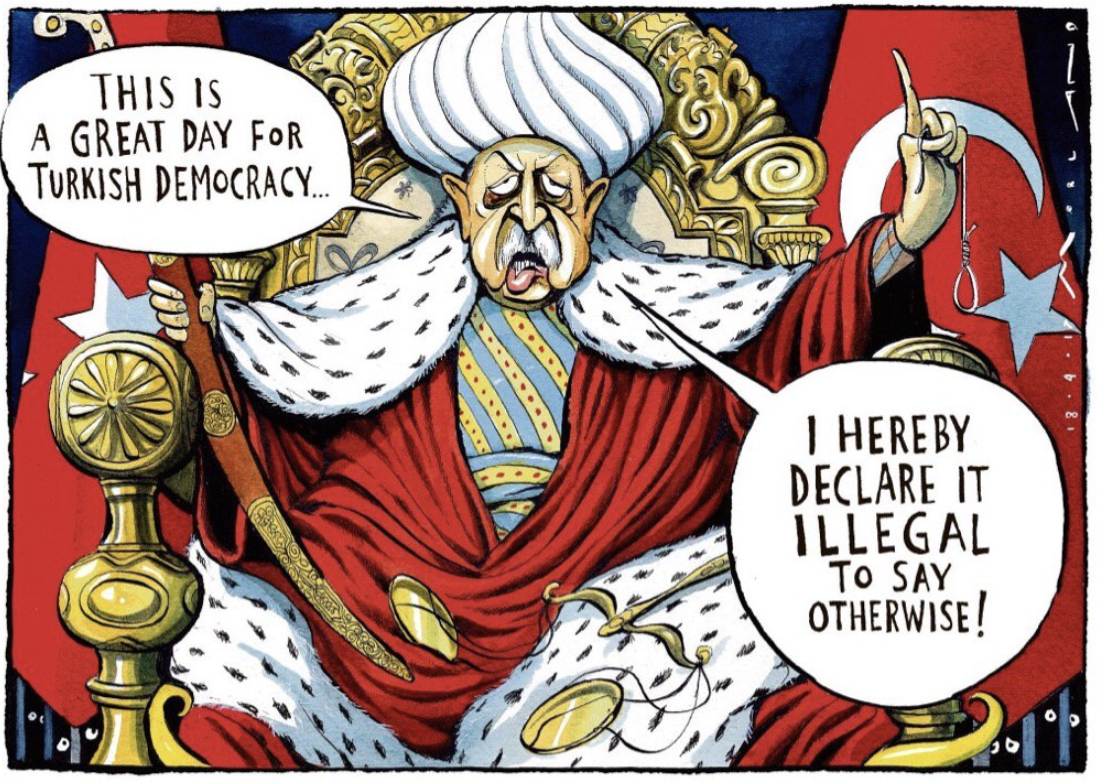
Additionally, cartoonist Doğan Pehlevan faced a separate charge of “insulting the President” under Turkey’s controversial Article 299 of the Penal Code, which has frequently been used against journalists, artists, and political critics.
Indictment Accepted, Trial Scheduled
The Istanbul 2nd Criminal Court of First Instance accepted the indictment, formally opening the way for trial proceedings. The first hearing was scheduled for November 14, a date that has already attracted attention from free speech advocates and media watchdogs.
The indictment’s acceptance underscored the seriousness of the charges, sparking renewed debate about the boundaries of satire, freedom of expression, and respect for religious sensitivities in Turkey.
Court’s Latest Decision: Partial Releases
According to reporting by Dilek Yaman Demir of Ekol TV, a recent court ruling changed the status of some detainees. The magazine’s editor-in-chief Zafer Aknar, graphic designer Cebrail Okçu, and manager Ali Yavuz were released under judicial control conditions, effectively freeing them while the case continues.
However, cartoonists Doğan Pehlevan and Aslan Özdemir remain in detention, as the court decided to extend their imprisonment pending trial. This uneven outcome has been criticized by some observers as inconsistent and politically motivated.
A Broader Pattern of Media Pressure
The LeMan case is not occurring in isolation. Over the past decade, Turkey has witnessed repeated prosecutions of satirical publications, cartoonists, and journalists, often accused of crossing red lines on religion, state symbols, or the presidency.
LeMan itself, which has a decades-long history of sharp political satire, has faced legal challenges in the past. The magazine’s current predicament has reignited debates about whether Turkey’s legal system sufficiently protects artistic freedom and satire, or whether it places excessive restrictions on expression under the guise of protecting public order.
Religious Sensitivities vs. Freedom of Expression
The controversy reflects a long-standing tension in Turkey: balancing freedom of expression with respect for religious values. While prosecutors argue that the cartoon was offensive and violated laws protecting religion, critics claim that the case is another example of censorship in a country where artists and journalists frequently face prosecution.
LeMan’s defense maintains that the illustration has been misinterpreted, stressing that no Prophet was intentionally depicted. For many supporters of the magazine, the issue highlights the risks faced by satirical media in an environment of increasing scrutiny.
Reactions and Implications
The case has drawn reactions from human rights advocates, media freedom organizations, and the magazine’s readership. Free speech groups argue that satire should be protected, even when controversial, and warn that such prosecutions contribute to a climate of self-censorship.
The outcome of the November trial will likely set an important precedent. If harsh sentences are imposed, it could deepen fears among journalists and artists that criticism or satire of sensitive topics could lead to imprisonment. If acquittals occur, it might signal a limited opening for more nuanced interpretations of satire under Turkish law.
For now, three senior LeMan staff members have regained temporary freedom, but two cartoonists remain behind bars. With trials approaching and charges carrying multi-year prison sentences, the case represents another flashpoint in Turkey’s ongoing struggle over the limits of satire, religion, and political criticism.
The fate of LeMan will be closely monitored, not just in Turkey but also by international observers who see the case as a litmus test for the country’s commitment to press freedom and artistic expression.
Related articles
Court Rejects Fatih Altaylı’s Appeal Against RTÜK’s YouTube Licensing Rule
Ümit Özdağ Acquitted in Presidential Insult Case

YouTube Show Hosts Face 4.5-Year Prison Demand Over “Hadith Joke” Case