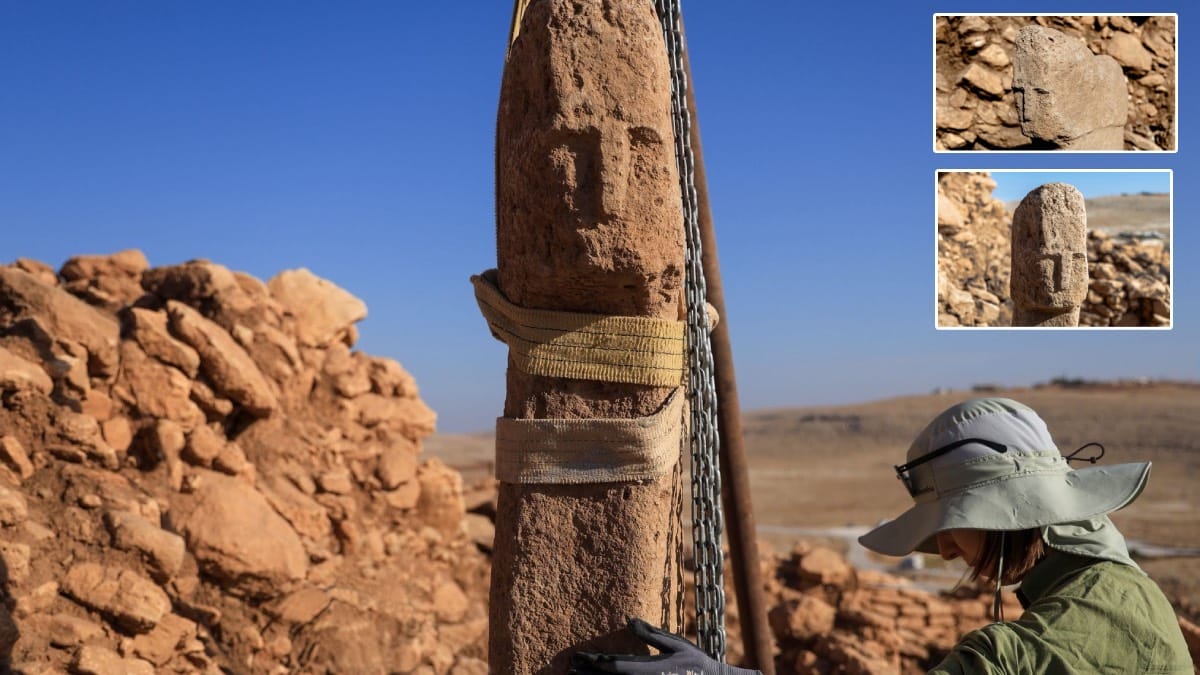
Karahantepe on the Cover of Archaeology Magazine: A Neolithic Breakthrough Rewriting Human History
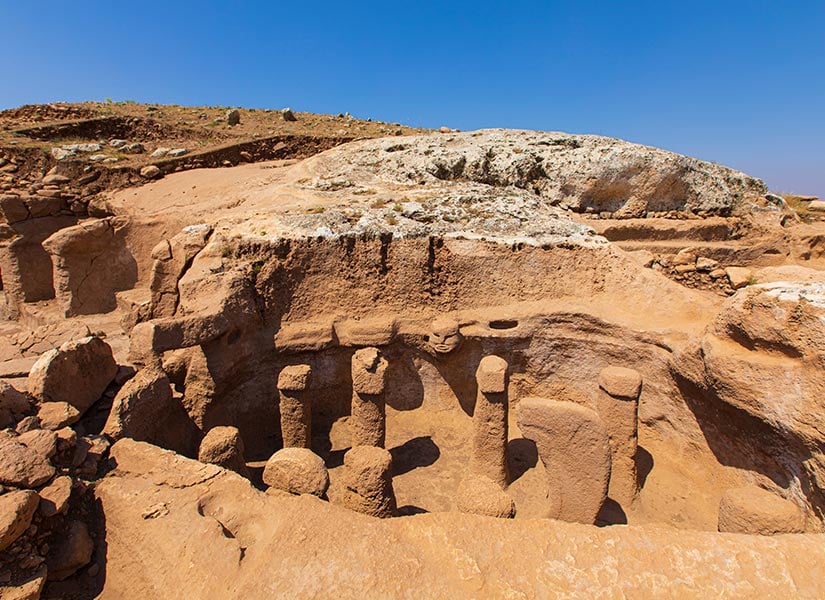 karahantepe
The prehistoric landscape of southeastern Anatolia has once again captured global attention. Karahantepe, one of the most striking excavation sites within Türkiye’s ambitious Taş Tepeler Project, has been selected by Archaeology Magazine as one of the world’s top 10 archaeological discoveries of 2025. The recognition is significant not only because of the magazine’s scientific weight, but also because Karahantepe was featured directly on its cover—an honor reserved for discoveries with the power to redefine established narratives.
Located near Şanlıurfa, Karahantepe has emerged as a key reference point for understanding early Neolithic societies. The site is part of the broader Taş Tepeler Project, a long-term, multi-disciplinary research initiative that brings together archaeologists, anthropologists, and material scientists to explore humanity’s earliest experiments with settlement, ritual, and symbolic expression.
A Discovery That Challenges Long-Held Assumptions
Karahantepe stands out for its dense concentration of monumental stone structures, human and animal figures carved directly into bedrock, and spatial arrangements that suggest complex social and ritual practices dating back nearly 12,000 years. These findings place the site firmly within the Pre-Pottery Neolithic period, a time when hunter-gatherer communities were beginning to reorganize their relationship with nature, labor, and belief systems.
What makes Karahantepe particularly compelling is how it complements—and in some respects deepens—the story first introduced by Göbeklitepe. While Göbeklitepe revealed the monumental capabilities of early societies, Karahantepe offers a more intimate look at symbolism, bodily representation, and communal spaces. Archaeologists increasingly view the site as evidence that early humans were not merely surviving, but actively constructing shared meanings long before the rise of agriculture.
International Recognition from Archaeology Magazine
Being named among the top 10 global discoveries of 2025 by Archaeology Magazine places Karahantepe in an elite category of archaeological breakthroughs. The magazine’s annual list is closely followed by academic institutions, museums, and research centers worldwide, making the selection a strong indicator of long-term scientific relevance.
The cover feature signals that Karahantepe is no longer a regional discovery, but a site of global importance. For the international archaeological community, this acknowledgment confirms that Anatolia remains one of the most critical regions for understanding the origins of human civilization.
Official Reaction from Türkiye’s Ministry of Culture and Tourism
The announcement was publicly shared by Mehmet Nuri Ersoy, Türkiye’s Minister of Culture and Tourism, who emphasized the broader implications of the discovery. In his statement, Ersoy underlined how the Taş Tepeler Project is reshaping humanity’s understanding of its own past.
“Karahantepe is on the world stage! As a key part of the Taş Tepeler Project, which marked its fifth anniversary on November 26, Karahantepe was selected by Archaeology Magazine as one of the top 10 discoveries of 2025 and featured on the magazine’s cover. The scientific work carried out on these lands is reshaping what we know about human history. I believe that this comprehensive process—ranging from micro-analyses to archaeometry, from symbolic finds to conservation efforts—will register Taş Tepeler as the world’s Neolithic capital. We will continue, with determination, to uncover Anatolia’s 12,000-year-old story through science and share it with the world while preserving our cultural heritage. I sincerely thank the Şanlıurfa Governorship, Şanlıurfa Metropolitan Municipality, all scientists, and our colleagues who contributed to this great journey.”
The statement reflects a growing confidence that Taş Tepeler as a whole may soon be internationally recognized as a unified cultural landscape rather than a collection of isolated sites.
Why Karahantepe Matters for World Archaeology
Beyond national pride, Karahantepe’s importance lies in its ability to force a reassessment of early human behavior. The site provides strong evidence that ritual, art, and social organization were not byproducts of settled agricultural life, but may have been among the forces that encouraged humans to settle in the first place.
Advanced analytical techniques—such as archaeometry, residue analysis, and micro-wear studies—are now being applied at Karahantepe, ensuring that the site continues to generate data for years to come. Each excavation season adds nuance to the story of how symbolic thought, cooperation, and monumental architecture emerged at the dawn of civilization.
Toward the “Neolithic Capital of the World”
As research progresses, Karahantepe strengthens the argument that southeastern Anatolia functioned as a core innovation zone during the Neolithic transition. Together with other Taş Tepeler sites, it supports the idea that this region was not peripheral, but central to humanity’s most transformative era.
With global visibility secured through Archaeology Magazine’s cover, Karahantepe is now firmly positioned as one of the most influential archaeological discoveries of the 21st century—one that continues to reshape how we understand where civilization truly began.