



Justice Ministry Denies State Fault in Ankara Massacre Despite Intelligence Warnings
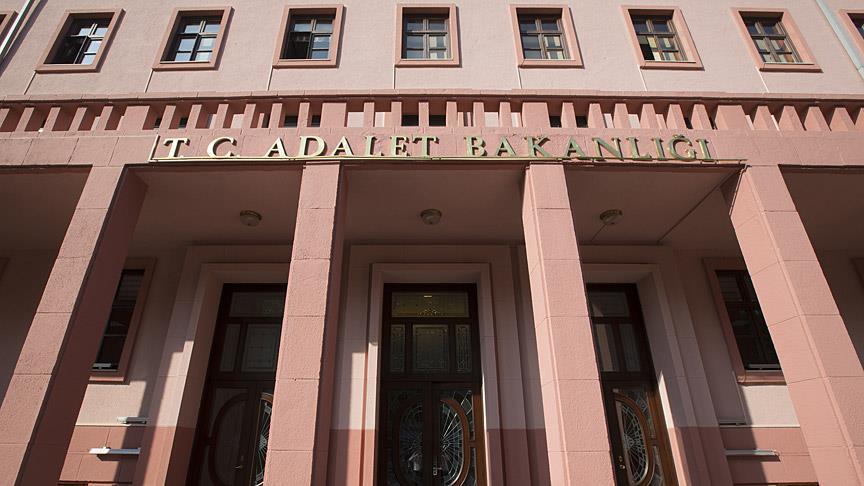 Justice Ministry
As Turkey marks the 10th anniversary of the October 10, 2015 Ankara Train Station bombing — the deadliest terror attack in the country’s history — newly surfaced documents reveal that the Justice Ministry dismissed intelligence warnings received before the massacre. In its official opinion submitted to the Constitutional Court (AYM) regarding a compensation lawsuit filed by a survivor, the ministry argued that the state bore no responsibility, despite multiple intelligence reports already included in the case file.
The ministry claimed that “no intelligence or warning had reached the authorities prior to the attack”, and therefore the state could not have prevented the Islamic State (ISIS) bombing that killed 103 people and injured more than 500 during a peace rally.
Ministry: “No Fault of the Administration”
According to the AYM documents, the Justice Ministry stated that the attack was an individual act of terror, asserting that no administrative or intelligence lapse occurred:
“No intelligence or warning concerning the terrorist act was received by the administration, and it is not possible to fully prevent such incidents. Accepting the state’s liability would impose an excessive burden on public institutions,” the statement read.
The Ministry further claimed that victims had already been compensated under the ‘social risk principle’, and therefore their victim status should be considered resolved. It also insisted that the judicial process was sufficient to meet the state’s obligations under Article 17 of the Constitution, which protects the right to life.
Constitutional Court: “No Violation of the Right to Life”
The AYM referred to its April 15 ruling on the case of Pınar Alkan, another survivor of the same bombing, concluding that “no violation of the right to life” had occurred. The Court reiterated this view in its August 4 decision on the case of İbrahim and Veysel Atılgan, a father and his nine-year-old son who were killed in the explosion.
Citing the same reasoning, the Court declared the complaints “manifestly ill-founded” and rejected them as inadmissible, sparking outrage among victims’ families and human rights advocates.
Ignored Warnings: September 14 Intelligence Report Concealed
Despite the Ministry’s claim that no prior intelligence existed, documents from the Interior Ministry’s inspectorate tell a different story. An internal report revealed that the Ankara Police had received a written intelligence warning on September 14, 2015, weeks before the attack. The report specifically mentioned Yunus Emre Alagöz, one of the suicide bombers, and warned of planned ISIS attacks in major Turkish cities using multiple suicide bombers.
However, this intelligence was never shared with the rally organizers or relevant police units responsible for event security. Attorneys representing victims filed multiple criminal complaints alleging negligence and cover-up, yet no prosecutions followed.
MIT’s ‘Very Confidential’ Report Also Overlooked
Further evidence emerged from a six-page “top secret” report by the National Intelligence Organization (MIT), included in the court file. The report confirmed that MIT had warned the General Directorate of Security two months before the massacre about an escalating ISIS threat targeting Turkey.
The report stated that ISIS “may conduct attacks serving PKK-KCK-related interests” and that Turkish radicals within ISIS were continuing to participate in planned operations, referencing earlier attacks in Adana, Mersin, Diyarbakır, and Suruç.
MIT also noted that the Ankara attack’s mastermind, Yunus Durmaz, known as ISIS’s Gaziantep emir, had been identified months before the bombing. Despite these findings, the agency maintained that it had made “no concrete identification” of the specific plot before the attack — a statement now heavily scrutinized by legal experts and victims’ lawyers.
Legal Experts: A Case of Institutional Denial
Human rights lawyers argue that the Justice Ministry’s opinion to the Constitutional Court represents a pattern of institutional denial, shielding officials from accountability despite documented intelligence failures.
Legal experts warn that the case underscores systemic weaknesses in Turkey’s counterterrorism coordination, where intelligence warnings were ignored or concealed, and later dismissed in court filings.
As the 10th anniversary of the massacre passes, survivors and families of victims continue to demand justice, transparency, and official acknowledgment that the state’s failure to act contributed to the tragedy.