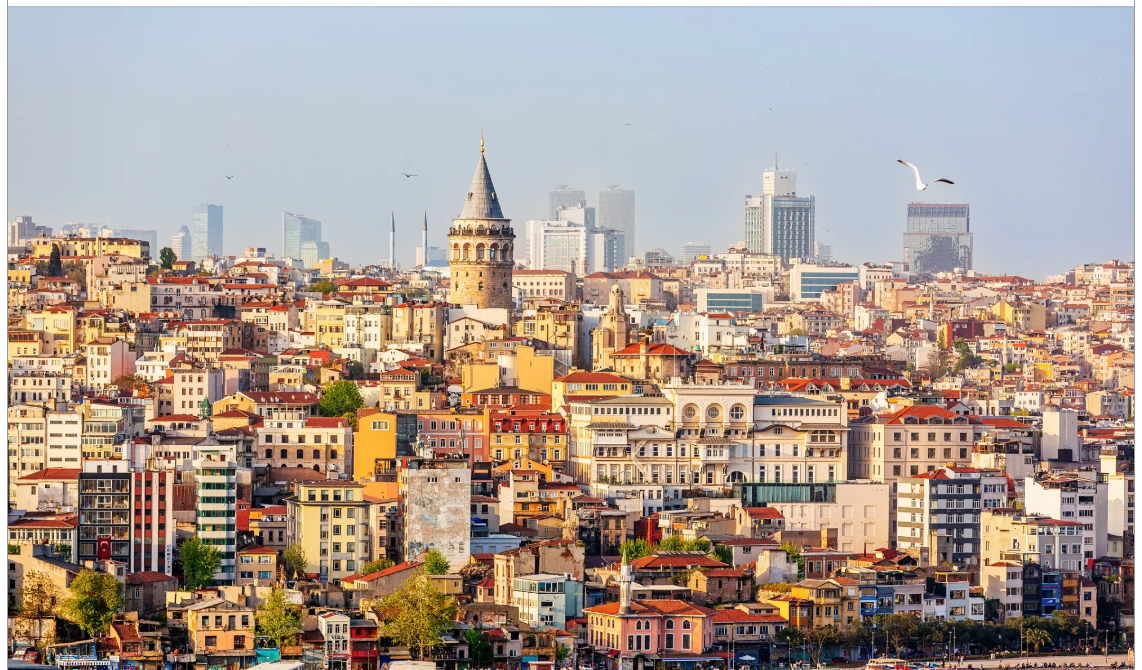
Izmir Faces Deepening Water Crisis as Reservoir Levels Plunge
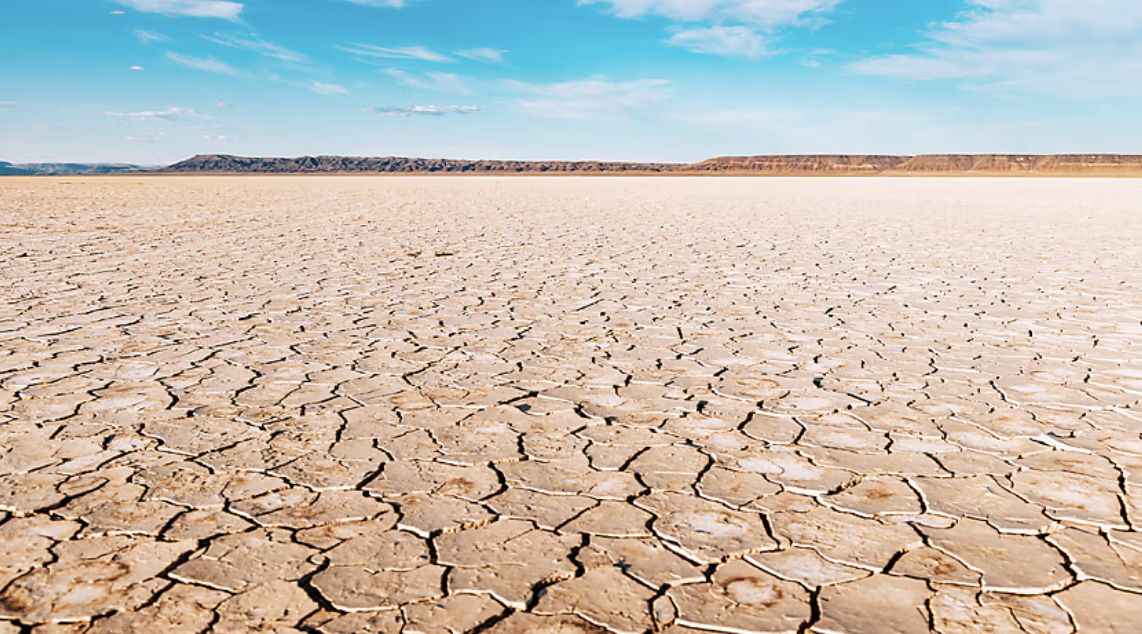 Drought in Turkey
Izmir is facing one of its most severe water crises in recent memory, as reservoir levels across the region continue to plummet amid prolonged drought. Newly released data from the Izmir Water and Sewerage Administration (İZSU) dated December 9 shows a sharp decline across the city’s essential water sources compared with last year, raising serious concerns about the security of Izmir’s drinking water supply.
The starkest indicator comes from the Tahtalı Reservoir, which typically provides nearly half of Izmir’s potable water. Current measurements show its storage has fallen to 0.97%, compared to 11.14% at the same time last year. This dramatic reduction underscores the cumulative impact of insufficient rainfall, elevated temperatures, and long-term climatic stress.
Other Reservoirs Also Show Rapid Declines
The deteriorating situation extends beyond Tahtalı. According to İZSU data, the Alaçatı Kutlu Aktaş Reservoir has plunged from 14.26% to 2%, while the Ürkmez Reservoir has slipped from 6.88% to 5.53% year-on-year. Meanwhile, two additional basins—Balçova and Gördes, which last December held 14.54% and 0.92% respectively, are now effectively dry, containing no usable water for distribution.
These statistics portray a troubling regional pattern: Izmir’s reservoirs have not only failed to recover but have continued losing storage at an accelerating pace. This trend reflects the broader hydrometeorological impacts of climate change, which have disrupted normal seasonal precipitation and increased the frequency and severity of drought cycles across western Türkiye.
Rotational Water Cuts Continue and May Intensify
In response to shrinking supplies, İZSU has enforced planned, rotational water outages throughout the city since August 6. This measure—designed to ration remaining resources and balance consumption—will likely continue unless reservoir levels rebound meaningfully.
Officials have cautioned that if current conditions persist, residents should expect prolonged and potentially expanded water cuts, especially as consumption typically rises in warmer months. Although disruptive, such measures are increasingly common in drought-affected metropolitan regions and aim to delay more severe shortages.
Expert: “Next Summer May Be Even More Critical”
Dr. Ufuk Özkan, Chair of the Watershed Management Department at Izmir Katip Çelebi University, stresses that drought must be understood as a multi-stage natural hazard rather than a short-term anomaly. He notes that Izmir has experienced nearly five consecutive years of declining rainfall and reduced reservoir levels, pointing to a structural water vulnerability rather than isolated seasonal fluctuations.
While precipitation in the coming months could offer modest relief, Özkan warns that the overall trend remains deeply concerning. As he explains:
“If precipitation increases, we might be able to collect some rainfall, but it is worth saying now that next summer appears to be more critical, more dangerous than the summer of 2025.”
His remarks highlight the growing scientific consensus that Izmir—situated within a Mediterranean climate zone susceptible to warming—is likely to face more frequent and intense drought episodes. Rising temperatures and shifting atmospheric patterns are altering water availability in ways that challenge traditional storage systems.