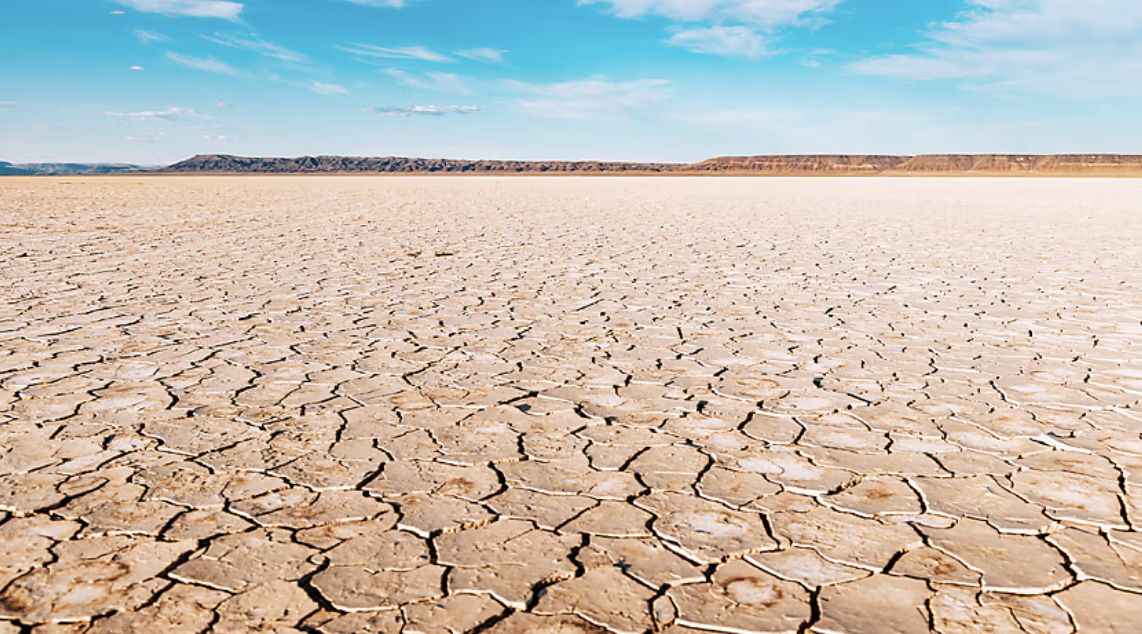
Istanbul Faces Water Shock: Baraj Levels Plunge Below 20%
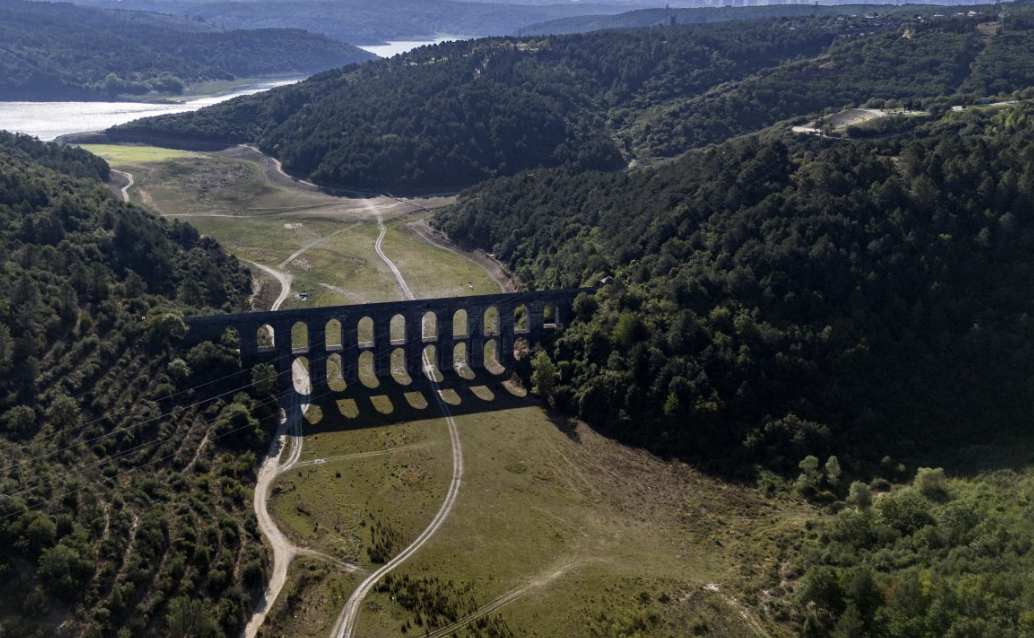 Istanbul Drought
Istanbul, a city of more than 16 million people, is staring at a deepening water crisis. After one of the driest summers in decades, the reservoirs supplying the megacity have hit alarming lows. According to the latest data from İSKİ (Istanbul Water and Sewerage Administration), overall storage levels have fallen to just 30.71%. Even worse, in some critical reservoirs such as Alibey and Istrancalar, water has dropped below the 20% danger threshold.
A Summer Without Rainfall Pushes Istanbul to the Edge
The summer of 2025 brought little relief in the form of rainfall, while urban water demand kept climbing. The result: Istanbul’s once-reliable baraj (reservoir) system is struggling to keep up. Experts warn that dropping below one-third of total capacity is not only alarming but also a clear call for urgent water-saving measures across households and industries.
Where the Crisis Is Worst
İSKİ’s breakdown reveals a patchwork of water security across the city’s reservoirs:
-
Elmalı Barajı stands as the healthiest, with a 51.77% fill rate.
-
Darlık Barajı follows with 44.76%.
But across most of the system, the picture is dire:
-
Terkos: 36.98%
-
Büyükçekmece: 34.21%
-
Sazlıdere: 32.13%
-
Ömerli: 22.74%
And in the most critical zones:
-
Istrancalar: 20.67%
-
Alibey: 18.08% — the lowest level citywide, sparking fears of imminent local shortages.
Why It Matters
Reservoirs are Istanbul’s lifeline, covering most of the city’s freshwater needs. When these levels collapse, so does the buffer that protects millions from drought. Unlike temporary shortages, reservoir declines are slow to reverse — even with heavy rains, recovery can take months, sometimes years.
Water experts highlight that conservation campaigns, rainwater collection systems, and smarter irrigation policies are no longer optional; they are immediate necessities.
The Bigger Picture: Climate Stress Rising
The fall in reservoir levels is not just a seasonal anomaly. It reflects the mounting climate change pressure on Türkiye’s largest city. Central Anatolia and Southeastern Anatolia are already experiencing historic drought, and now Istanbul’s reservoirs are showing similar strain.
If trends continue, Istanbul could face mandatory water restrictions — a scenario not seen since the severe droughts of the late 2000s.
What Comes Next
Authorities have not yet announced rationing, but İSKİ officials are urging citizens to cut water usage wherever possible. With autumn rains yet to arrive in force, the coming months will be decisive.
For Istanbul, the question is no longer if a water crisis will arrive — but how soon it will force its way into daily life.