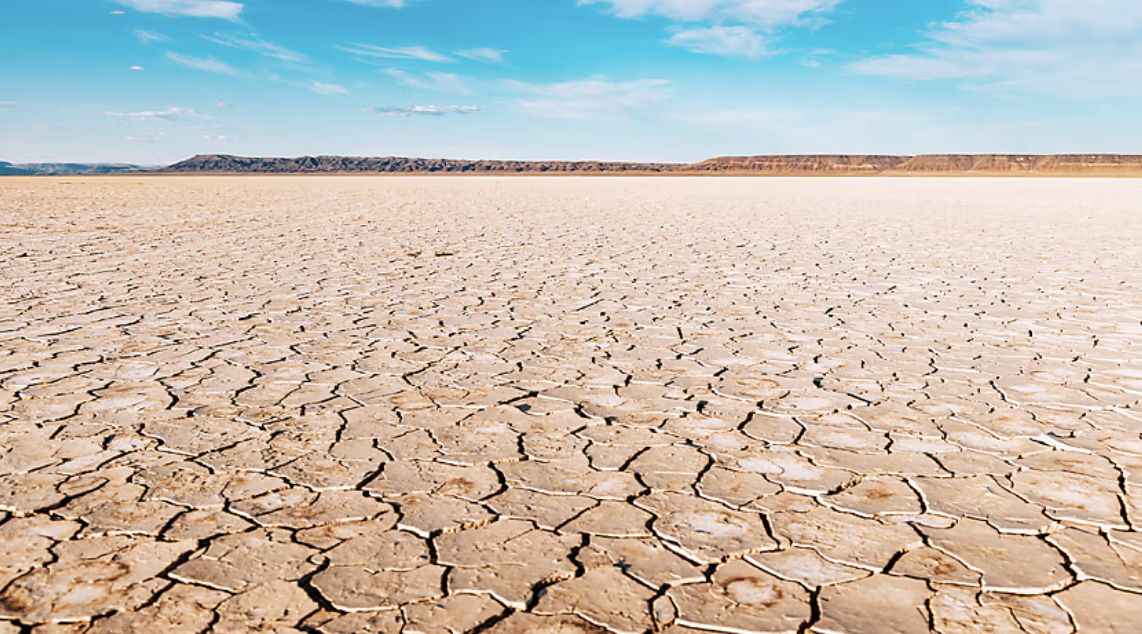
Istanbul Faces Growing Drought Alarm as Reservoir Levels Plunge
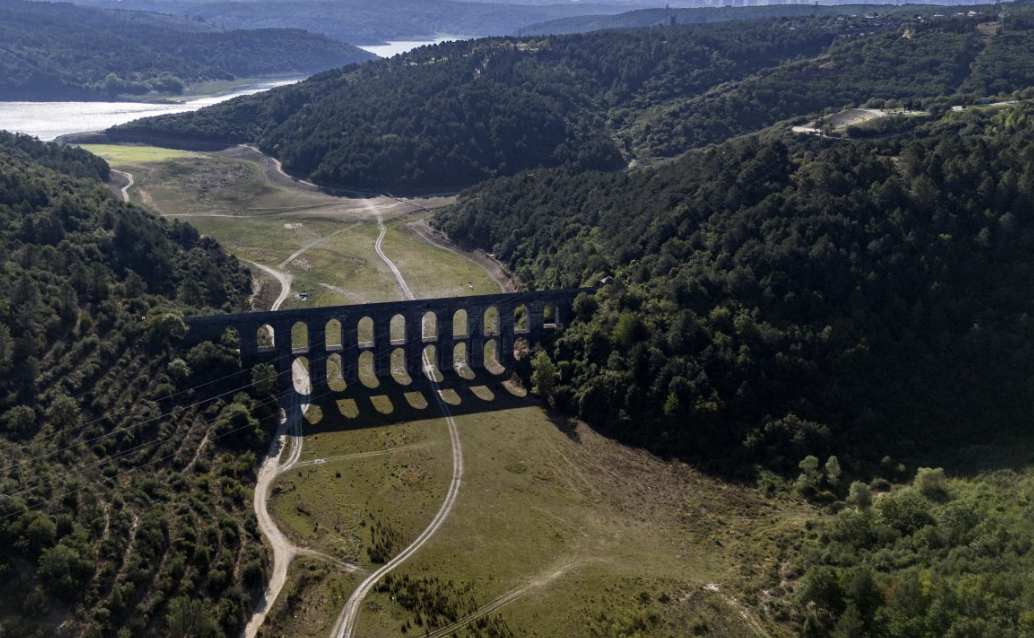 Istanbul Drought
Istanbul, Turkey’s megacity, is confronting a serious drought crisis. According to the latest data from the Istanbul Water and Sewerage Administration (İSKİ), the city’s reservoirs have dropped to an average 42.43% capacity, marking the second lowest August level in the past decade. This alarming decline comes after a spring peak of 82% in April, highlighting how dry conditions and escalating water consumption have rapidly depleted the city’s primary water sources.
Reservoirs Halve Since Spring
İSKİ’s figures reveal the speed and severity of the water shortage. On 15 April 2025, reservoirs were at 82.22% capacity, their highest level this year. By 19 July, levels had fallen to 58.28%, and as of 26 August, the average dropped to 42.43%, reflecting a 15.85% decrease in just over a month. The city’s total water storage capacity stands at 868.68 million cubic meters, but current levels measure only 368.26 million cubic meters. Meanwhile, 3.407 million cubic meters of water were delivered to the city on 25 August.
Reservoir Levels Across Istanbul
None of Istanbul’s 10 key reservoirs currently show high levels. The individual reservoir status is as follows:
-
Elmalı: 61.1%
-
Darlık: 54.07%
-
Terkos: 47.25%
-
Büyükçekmece: 43.24%
-
Sazlıdere: 39.14%
-
Ömerli: 38.75%
-
Pabuçdere: 34.27%
-
Istrancalar: 32.06%
-
Alibey: 26.11%
-
Kazandere: 24.23%
These figures underline a critical vulnerability in the city’s water supply, signaling that even the largest reservoirs are far from optimal capacity.
Historical Context Highlights Severity
Looking at historical data, the 42.43% level on 26 August 2025 represents the second most critical August in a decade. For comparison, the same date in 2024 recorded 48.31%, while 2023 saw the most alarming drop at 30.64%. In other recent years, levels were significantly higher, such as 70.42% in 2015 and 59.38% in 2021. These figures demonstrate the severity of the current drought relative to historical patterns.
Melen and Yeşilçay Projects Provide Critical Relief
Despite the declining reservoir levels, Istanbul’s water demand continues to be met thanks to supplemental projects from outside the city. This year, the Melen and Yeşilçay water transfer projects have delivered a combined 408.19 million cubic meters of water. Remarkably, this amount exceeds the total water currently held in the city’s reservoirs, underscoring the vital role these projects play in sustaining Istanbul’s water supply during extreme drought conditions.
Implications for Istanbul
The ongoing dry spell and rising water demand pose significant challenges for Istanbul, one of the world’s most populous cities. With reservoir levels approaching critical thresholds, the city faces not only the immediate risk of water shortages but also potential long-term consequences for urban planning, agriculture, and public health. Experts suggest that strategic water management and investment in supplemental water projects are essential to prevent a full-scale crisis.
The combination of dwindling reservoir levels and dependency on external water sources highlights the urgent need for sustainable water use policies, efficient distribution systems, and public awareness campaigns. Without immediate interventions, Istanbul risks entering a period of severe water scarcity, which could affect millions of residents and strain the city’s infrastructure.