



Istanbul Faces Critical Water Shortage as Reservoir Levels Plunge 42% in 3 Months
 Istanbul Drought
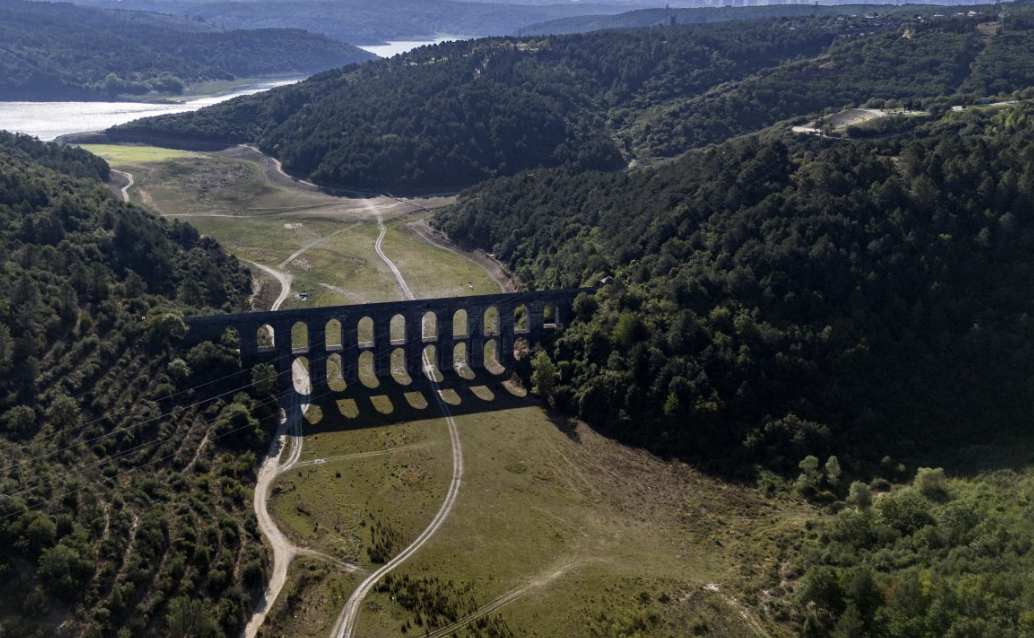
Istanbul is facing an alarming water crisis as reservoir levels supplying the city’s drinking and utility water continue to drop at an unprecedented pace. The Istanbul Water and Sewerage Administration (İSKİ) released new data showing that water levels in the city’s 10 main reservoirs have fallen to critically low levels, driven by insufficient rainfall and ongoing drought conditions across the region.
Over 42% Decline Since June
According to İSKİ, Istanbul’s average reservoir occupancy dropped from 66.23% on June 30 to just 24.13% as of October 19 — marking a 42.10% decline in only three and a half months. Officials warn that this level of depletion poses serious risks for the city’s 17 million residents, especially if rainfall remains below seasonal averages through the winter.
The Highest and Lowest Levels Across the City
The latest figures highlight a stark contrast between Istanbul’s reservoirs:
-
Elmalı Dam currently holds the highest water level at 49.32%, offering some buffer capacity.
-
Kazandere Dam, however, is nearly empty at 2.29%, raising red flags for long-term supply sustainability.
Other major reservoirs are also showing steep declines, reflecting a widespread water stress affecting the entire metropolitan area.
Current Reservoir Levels (as of October 19, 2025)
-
Elmalı: 49.32%
-
Darlık: 37.84%
-
Istrancalar: 30.18%
-
Terkos: 29.13%
-
Büyükçekmece: 28.85%
-
Sazlıdere: 26.39%
-
Ömerli: 15.52%
-
Alibey: 13.29%
-
Pabuçdere: 8.74%
-
Kazandere: 2.29%
The data reveal that eight out of ten reservoirs are now operating below 30% capacity, a threshold experts consider ecologically and operationally critical.
İSKİ Urges Conservation Amid Drought Threat
İSKİ officials have called on residents to conserve water immediately, warning that without significant rainfall in the coming months, mandatory water restrictions could be introduced. The agency emphasized that even small behavioral changes — such as reducing shower times and repairing household leaks — can help ease the pressure on dwindling reserves.
Meteorologists note that Istanbul has received well below its average precipitation since early summer, while rising temperatures have accelerated evaporation rates. If the drought persists into winter, analysts warn that Istanbul may experience its most severe water shortage in decades.
Long-Term Solutions Needed
Experts stress the urgent need for infrastructure investment, including new reservoir capacity, desalination projects, and water recycling systems, to safeguard Istanbul’s water future. The rapid depletion also underscores the broader impacts of climate change, which has intensified drought cycles across Türkiye in recent years.
İSKİ continues to monitor daily levels across all dams, while emergency contingency plans — including inter-dam water transfers and groundwater pumping — remain under review.
Related articles
Istanbul’s Dam Levels Continue to Decline Amid Dry Summer: Current Average at 66.62%
Bursa’s Main Reservoirs Run Dry: City Faces 12-Hour Water Cuts
Istanbul Faces Water Shortage as Reservoir Levels Drop Amid Heatwave