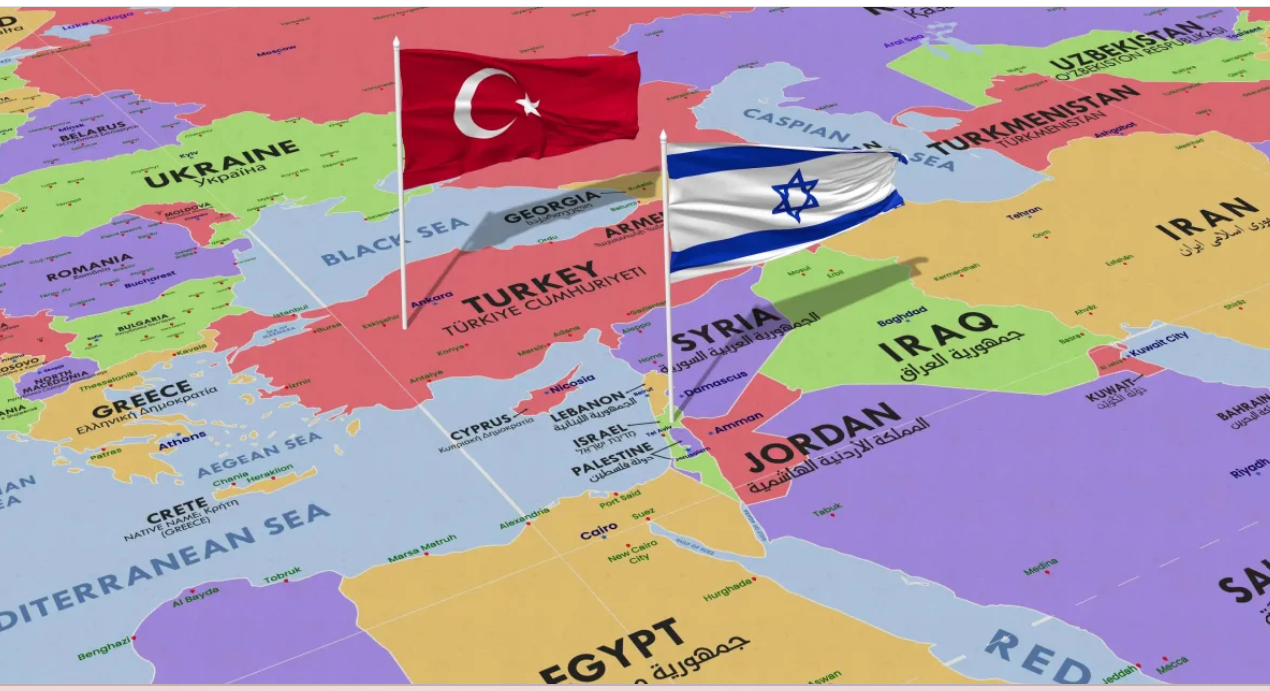
Israel and Hamas Signal Willingness to Move Forward on Trump’s Gaza Plan — Erdoğan Calls Hamas Reply a “Constructive Step”
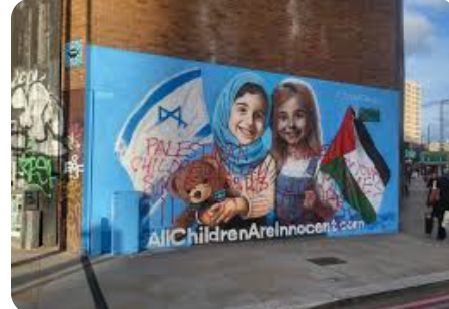 gazze2
Summary:
Both Israel and Hamas indicated readiness to engage with the first phase of US President Donald Trump’s Gaza peace plan, raising hopes for a possible ceasefire after months of war. Israel said it would prepare to implement the plan’s initial phase following Hamas’s statement that it was ready to enter negotiations “immediately.” Turkish President Recep Tayyip Erdoğan welcomed Hamas’s response as a constructive move toward lasting peace and urged Israel to halt its attacks and comply with a ceasefire.
Hamas and Israel Both Signal Openness — With Conditions
On Saturday, Hamas said it was ready to “immediately” enter mediated negotiations in line with President Trump’s 20-point proposal, though the movement stopped short of an unconditional acceptance. Hamas also said it is prepared to transfer governance of Gaza to “a Palestinian authority of independents (technocrats) based on Palestinian national consensus” with Arab and Islamic backing — language that hints at flexibility on interim governance arrangements but leaves many critical details unresolved.
Israel’s prime ministerial office responded that, “In light of Hamas’s response, Israel is preparing to immediately implement the first phase of Trump’s plan for the immediate release of all hostages.” The Israel Defense Forces (IDF) said it had instructed forces to “advance readiness for the implementation of the first phase,” following orders from the political echelon. Israeli statements, however, did not address Trump’s explicit demand that Israel “immediately stop the bombing of Gaza,” nor did they offer a timeline for the hostages’ release.
Key Elements Still in Dispute
Two of Trump’s core demands — the release of the remaining hostages within 72 hours and the relinquishment of Gaza governance by militant factions — were addressed in Hamas’s statement in political terms, but not with the unconditional acceptance Washington sought. Crucially, Hamas made no mention of disarmament or the decommissioning of weapons, a central and contentious element of the US plan that Hamas has repeatedly rejected. The movement also rejected the idea that it be excluded from any future Palestinian governance framework, saying it “will be included and will contribute with full responsibility” to a comprehensive national framework — a stance that runs counter to aspects of Trump’s blueprint which sought to bar Hamas (directly or indirectly) from governing Gaza.
Trump, Netanyahu and the Deadline Drama
President Trump hailed Hamas’s response on Truth Social, calling it evidence that Hamas may be “ready for a lasting PEACE,” and urged Israel to halt bombing so hostage releases could proceed safely. At the White House, Trump had given Hamas a Sunday deadline to accept the plan, warning earlier that failure to do so would risk a severe escalation. Israeli Prime Minister Benjamin Netanyahu, who joined Trump when the plan was unveiled, pledged continued cooperation with the US to implement the framework consistent with Israel’s own principles.
Mediators and Regional Backing — Qatar, Egypt, Turkey
Mediators including Qatar and Egypt described Hamas’s reply as a positive development. Qatar said it had already begun coordinating with Egypt and the US “to complete discussions regarding the plan to ensure the end of the war.” Egypt, a longtime intermediary in Gaza ceasefire talks, also welcomed the statement. Turkey — a close partner of Qatar and a vocal supporter of Palestinian rights — played a diplomatic role behind the scenes as mediators sought to bridge remaining gaps.
Erdoğan: “Constructive and Important Step” — Calls for Immediate Halt to Attacks
Turkish President Recep Tayyip Erdoğan publicly praised Hamas’s willingness to enter negotiations. In a post on his social media account, Erdoğan called Hamas’s reply “a constructive and important step toward achieving lasting peace.” He urged that Israel immediately cease all attacks and comply with the ceasefire plan, stressing that the delivery of humanitarian aid and swift measures to secure durable peace must follow without delay. Erdoğan framed the Gaza situation in moral and humanitarian terms, saying the “genocidal” picture that has grievously wounded global conscience must end, and pledged that Turkey will continue to use all available means to see negotiations result in the best outcome for the Palestinian people and to support a two-state solution.
Why a Deal Remains Fragile
Despite the public statements of intent, a final ceasefire accord is far from guaranteed. Key sticking points remain: the role of Hamas in future Gaza governance, the question of disarmament, the timeline and mechanics of hostage releases, and international oversight arrangements proposed by Trump (the so-called “Board of Peace”). Mediators face tight timelines and enormous political pressures on all sides, and each element — from security guarantees to reconstruction funding — will require detailed negotiation.
Outlook
For now, the reciprocal statements by Hamas and Israel open a narrow diplomatic window that mediators hope to exploit. If negotiations begin in earnest, they would need to address the most contentious elements of the US plan while producing enforceable mechanisms for a ceasefire, hostage releases and interim governance. Erdoğan’s endorsement of Hamas’s response adds political weight to regional backing for talks, but real progress will depend on the willingness of all parties — and the United States — to compromise on the plan’s most difficult provisions.
Related articles
Turkey’s Gaza Brigade Plan Risks Squeezing Israel on Two Fronts — JNS
Hamas Signals Willingness to Disarm as Trump Invites Erdoğan to Founding Role in Gaza Peace Council

A Matter of Morality: Clean Hands, Dirty Minds