Is Türkiye Becoming Lebanon’s New Iran?
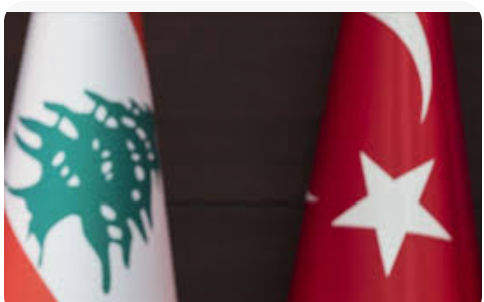 tr lebanon
Türkiye’s expanding regional footprint since the collapse of Syria’s Assad regime has increasingly drawn scrutiny from Washington and Tel Aviv. Now, Ankara’s growing involvement in Lebanon—particularly amid shifting maritime, political, and security dynamics—has raised questions over whether Türkiye is positioning itself as a new power broker in Beirut, potentially mirroring Iran’s long-standing influence through nonstate actors.
Türkiye’s Regional Expansion After Assad
Since the downfall of the Assad regime in Syria on December 8, 2024, U.S. and Israeli officials have repeatedly highlighted Türkiye’s expanding influence across the Levant. President Donald Trump has publicly described Türkiye as the primary external actor behind the regime’s collapse, downplaying the role of Hay’at Tahrir al-Sham-led forces.
Israel, meanwhile, has escalated military pressure on what it views as emerging Turkish footholds in Syria, conducting airstrikes on military airbases reportedly assessed by Turkish officials. This broader regional context has sharpened attention on Ankara’s next moves—particularly in neighboring Lebanon.
Maritime Deal Sparks Turkish Backlash
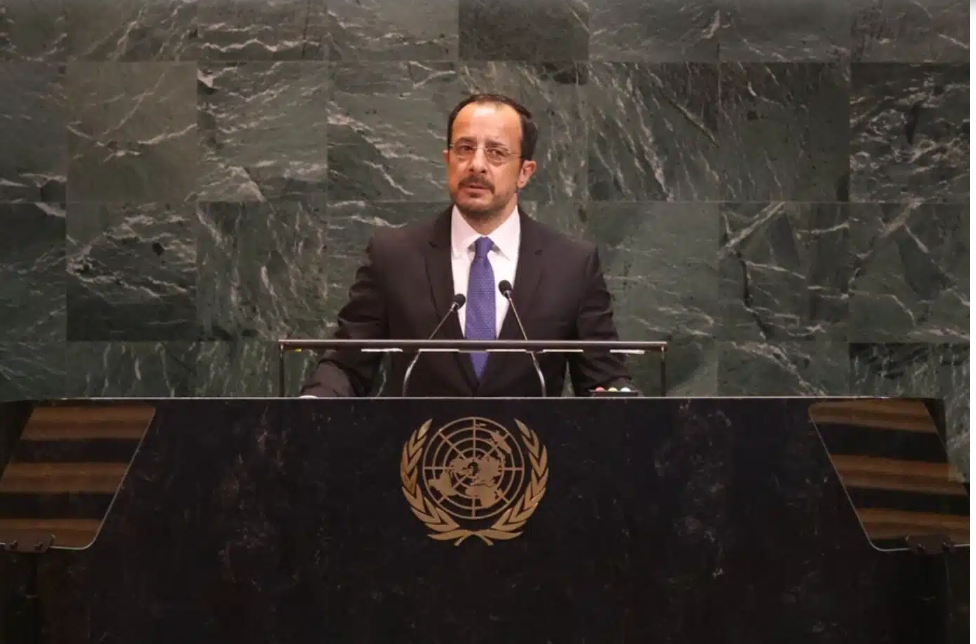
Türkiye’s growing focus on Lebanon came into sharper relief following Lebanese President Joseph Aoun’s signing of a maritime demarcation agreement with Cypriot President Nikos Christodoulides on November 26. Ankara swiftly rejected the deal, arguing that it “violates the rights of Turkish Cypriots on the island” and is therefore unacceptable.
Turkish officials fear the agreement could permanently anchor Lebanon within a Greece–Cyprus–Israel alignment in the Eastern Mediterranean, undermining Türkiye’s long-standing strategy to challenge rival energy and security blocs in the region.
The timing of the deal coincides with broader diplomatic pressure on Beirut to engage with a U.S.-brokered ceasefire framework aimed at disarming Hezbollah and advancing normalization with Israel as part of a comprehensive regional settlement.
Ankara’s Leverage in Beirut and Damascus
Against this backdrop, Ankara appears determined to prevent Lebanon from drifting further into an opposing geopolitical camp. Turkish policymakers are increasingly leveraging their influence in both Damascus and Beirut to shape Lebanon’s regional orientation before it becomes irreversible.
According to Turkish sources cited by Lebanon’s Al-Akhbar newspaper, Ankara is particularly concerned about what it views as a “vacuum” in Sunni political representation following former prime minister Saad Hariri’s withdrawal from politics in 2022. Hariri, a dual Lebanese-Saudi citizen, has lived in the United Arab Emirates since stepping away, leaving a leadership gap within Lebanon’s Sunni community.
The same sources point to Turkish unease over the possible rise of Sunni figures supportive of normalization with Israel, as well as political activity by the Kurdish-led Syrian Democratic Forces inside Lebanon.
Targeting Sunni Representation Ahead of Elections
With parliamentary elections scheduled for May, Ankara is reportedly interested in influencing Sunni political representation. Achieving this goal may require coordination with Syria’s new leadership, whose own legitimacy remains fragile but whose networks extend into Lebanon.
Türkiye’s most natural ally in this effort is Lebanon’s Muslim Brotherhood-affiliated Jamaa al-Islamiyya. The group has already signaled its intention to expand its parliamentary presence, citing support from Qatar, Türkiye, and Syria.
While Jamaa al-Islamiyya has long been a political actor, its renewed ambitions raise concerns about Ankara’s broader objectives—particularly as Lebanon navigates an internationally backed process aimed at reducing the role of armed nonstate groups.
Security Concerns and Armed Networks
The most sensitive dimension of Jamaa al-Islamiyya’s resurgence lies in security matters. The group’s armed wing, known as the Fajr Forces, has historically cooperated with Hezbollah, complicating Lebanon’s already fragmented security landscape.
Israel said it targeted a Fajr Forces cell in Beit Jinn in southern Syria on November 28 after it opened fire on Israeli troops. The strike reportedly killed 13 people and injured six Israeli soldiers.
Last week, Türkiye’s state broadcaster TRT aired an interview with Ali Abou Yassin, head of Jamaa al-Islamiyya’s Political Council. Yassin criticized Washington’s designation of certain Muslim Brotherhood branches as terrorist organizations, including Jamaa al-Islamiyya, and warned that forcibly disarming the group would be “a mistake.”
These remarks have fueled questions over whether Ankara, like Tehran, opposes the Lebanese government’s efforts to disarm nonstate armed groups—placing Türkiye at odds with U.S.-backed initiatives in Lebanon.
Citizenship, Aid, and Electoral Influence
Beyond Islamist networks, Türkiye has cultivated additional sources of leverage inside Lebanon. These include Lebanese citizens of Turkish origin and members of the Turkmen minority in northern Lebanon and the Beqaa Valley. Ankara has expedited Turkish citizenship for many within these communities.
Under Lebanon’s proportional representation electoral system, even modest demographic shifts could influence Sunni representation in parliament. Alongside this political strategy, Turkish development and humanitarian organizations—including International Humanitarian Relief—continue operating actively in the country.
Symbolic Power and Street Mobilization
Perhaps the most visible signal of Türkiye’s expanding influence was the coordinated celebrations held across Beirut, Tripoli, and Sidon on December 8 to mark the first anniversary of Bashar al-Assad’s downfall.
According to Lebanese security sources and individuals close to Türkiye, the events were largely organized by Islamist groups and activists, some of whom hold Turkish residency and maintain close ties with Syria. The celebrations reportedly followed an unannounced visit by a Turkish security envoy, who met Lebanese intelligence officials to convey Ankara’s opposition to the Cyprus maritime deal.
Observers note that Türkiye’s reach now extends beyond the Muslim Brotherhood to include Salafist figures and local Islamic associations. When combined with Turkmen communities, dual citizens, and Syrian regime-linked networks, this influence could translate into tangible parliamentary leverage.
Limits to Turkish Power
Despite these advances, Türkiye’s strategy faces clear constraints. Reports that Ankara has sought to broker contacts between Hezbollah and Syria’s new leadership underscore Ankara’s desire to demonstrate influence—but such efforts clash with Damascus’s alignment with Washington in pursuit of sanctions relief and an end to Israeli strikes.
Another major counterweight is Saudi Arabia, which remains a dominant force in Lebanese Sunni politics and a key backer of Syria’s current leadership. Riyadh has the capacity to push back if Türkiye’s role expands too aggressively, though no overt tensions have emerged so far.
Finally, Türkiye’s ambitions may be curtailed by instability in Syria itself. President Ahmad al-Sharaa’s authority remains far from consolidated, and renewed turmoil could entangle Ankara more deeply in Syria, limiting its ability to project power elsewhere.
A Strategic Warning for Beirut
Regardless of Ankara’s next moves, Lebanon’s leadership may need to reassess its regional strategy. Factoring Türkiye’s role in Syria and Lebanon into maritime negotiations and broader diplomatic choices could prove essential, rather than relying solely on U.S. and Israeli frameworks.
However, if Türkiye’s approach ultimately seeks to replicate Iran’s model of influence—this time through Sunni political and security networks—Beirut may face a new and deeply destabilizing challenge.
Author: Mohanad Hage Ali, Carnegie International
PA Turkey intends to inform Turkey watchers with diverse views and opinions. Articles in our website may not necessarily represent the view of our editorial board or count as endorsement.
Follow our English YouTube channel (REAL TURKEY):
https://www.youtube.com/channel/UCKpFJB4GFiNkhmpVZQ_d9Rg
Twitter: @AtillaEng
Facebook: Real Turkey Channel: https://www.facebook.com/realturkeychannel/