iPhone 17 Prices Expose Harsh Reality for Turkish Farmers
 iphone 17
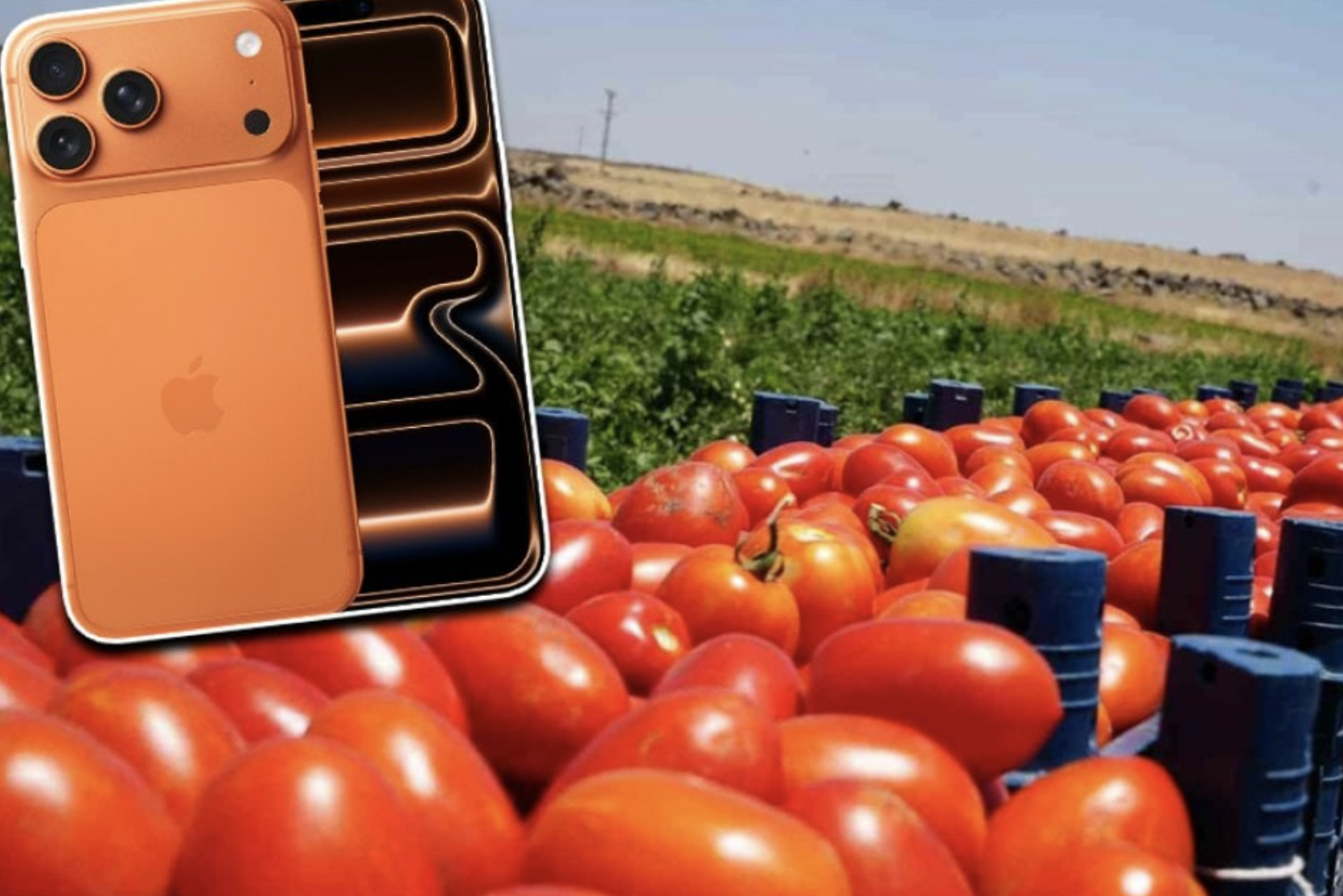
The global excitement over Apple’s iPhone 17 has taken a very different tone in Turkey. While the device symbolizes cutting-edge technology elsewhere, it has become a stark reminder of how inflation, collapsing agricultural prices, and skewed economics make modern products unreachable for the country’s farmers. The cheapest iPhone 17, priced at 80,000 TL in Turkey, requires a tomato farmer to sell 20 tons of produce. The most expensive model, the iPhone 17 Pro Max at 220,000 TL, would force a watermelon producer to sell a staggering 733 tons, equal to around 30 truckloads.
A Global Price Gap, A Local Struggle
The disparity becomes more shocking when compared internationally. In the United States, the iPhone 17 starts at $799. In Turkey, after taxes and currency pressures, the same phone costs the equivalent of $1,885—more than double. The “iPhone index” has once again placed Turkey among the most expensive countries in the world to buy the device, reflecting both a weakened lira and runaway inflation.
What Farmers Must Sacrifice for a Phone
According to calculations based on field prices (excluding fertilizer, diesel, labor, and pesticides), farmers would need to sell the following amounts of produce to afford the entry-level iPhone 17:
-
Tomatoes (₺4/kg): 20 tons
-
Olives for oil (₺40/kg): 2 tons
-
Peppers for oil (₺10/kg): 8 tons
-
Wheat (₺14/kg): 5.7 tons
-
Cotton (₺31/kg): 2.5 tons
For the high-end iPhone 17 Pro Max (₂TB), the scale multiplies dramatically:
-
Tomatoes: 55 tons
-
Olives: 5.5 tons
-
Wheat: 15.7 tons
-
Watermelon (₺0.30/kg): 733 tons (≈30 trucks)
These numbers illustrate a brutal imbalance: an entire harvest’s worth of crops may not be enough to buy a single phone.
Experts Warn: Farmers Already in Crisis
Agricultural experts point out that these calculations ignore input costs. In reality, producers face soaring expenses for fuel, fertilizers, seeds, and labor. Even without accounting for these, the gap between product value and consumer goods prices is already overwhelming. Once costs are included, many farmers operate at the brink of loss, making even basic household purchases a challenge.
Agriculture Devalued, Technology Out of Reach
The comparison highlights more than just phone prices—it exposes the systemic devaluation of farming in Turkey. While agriculture remains vital to national food security, farmers are forced to accept meager returns on their crops. Meanwhile, the prices of consumer goods, driven by currency devaluation and tax-heavy imports, skyrocket. The outcome is a crushing paradox: the people feeding the nation cannot afford the technology that defines modern life.
A Symbol of Broken Economics
The iPhone has become more than a luxury—it is now a measuring stick of inequality. For urban professionals, buying one may require a few months’ savings. For farmers, it represents an impossible dream tied to backbreaking production. The “30 truckloads of watermelon for a phone” comparison is not just a statistic—it is a metaphor for an economy where the value of hard work has been drained by structural imbalance.
The Bigger Picture
Turkey’s struggle reflects a broader problem of wealth distribution and economic policy. With indirect taxes weighing heavily on consumers, low agricultural support, and globalized pricing of goods, the gulf between producer income and consumer costs keeps widening. If these conditions persist, farming communities risk collapse, with long-term consequences for food security, rural development, and generational sustainability. The iPhone 17 is simply the latest mirror showing a country where technology runs ahead while farmers are left behind.
Related articles

Private School in Istanbul Faces Backlash Over ₺120K Supply List for 5th Graders
Turkey Revises VAT Rules: Defense, Urban Renewal and Fuel Sectors Affected
Turkey’s 2026 Tax and Fine Surge: How Much Will You Pay?