Inflation Expectations Improve, Minister Şimşek Says Trend Supports Disinflation
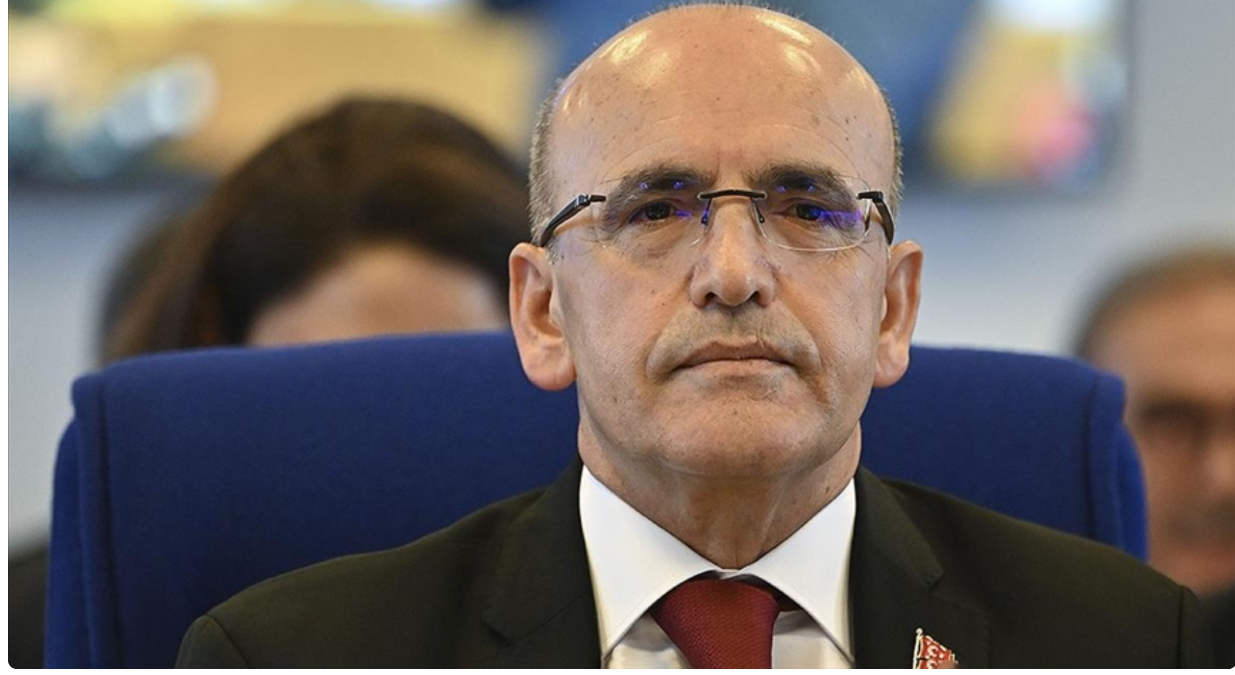
 mehmet simsek4
Turkey’s fight against inflation is showing signs of progress, according to Treasury and Finance Minister Mehmet Şimşek, who stated that improving expectations are supporting the country’s ongoing disinflation process.
In a statement shared on his official X account, Şimşek highlighted a notable decline in inflation forecasts from both the real sector and households, describing this shift as a key factor reinforcing the government’s economic program.
“Inflation expectations are improving. The real sector’s and households’ 12-month ahead inflation forecasts have fallen by 16 and 19 points compared to the same period last year, reaching 37.7% and 54.1% respectively. The market participants’ expectation was 22.8%,” Şimşek said.
He emphasized that these developments signal growing confidence in Turkey’s disinflation strategy.
Falling Inflation Forecasts Indicate Optimism
The latest data reveal a sharp decline in inflation expectations, which policymakers view as critical for stabilizing the economy.
-
The real sector now forecasts inflation at 37.7%, a drop of 16 points from last year.
-
Households expect inflation at 54.1%, down 19 points compared to the same period in 2024.
-
Market participants — often considered a benchmark for investor sentiment — project inflation at 22.8%.
These downward revisions matter because expectations influence real-world economic behavior. When households and businesses believe inflation will ease, they adjust pricing, spending, and wage-setting accordingly. This creates a feedback loop that helps reinforce price stability.
The Role of Expectations in Disinflation
Economists widely agree that inflation is shaped not only by policy but also by psychology and trust. If people anticipate higher inflation, they bring forward purchases, demand wage hikes, and increase borrowing, which fuels further price rises. On the other hand, if confidence grows that inflation will fall, consumers and businesses behave more cautiously, easing price pressures.
Şimşek underlined this point, stating:
“The improvement in expectations is supporting disinflation.”
This connection highlights why shaping public and market sentiment is as important as monetary tightening itself.
Commitment to Lasting Price Stability
The Finance Minister stressed that the government is determined to continue its economic program until permanent price stability is achieved.
“We will continue to implement our program decisively to establish lasting price stability,” Şimşek said.
This statement reflects Ankara’s acknowledgment that while progress has been made, discipline and consistency in both fiscal and monetary policy remain essential to maintain momentum.
Why This Matters for Turkey’s Economy
For years, high inflation has been one of Turkey’s most pressing challenges, eroding household purchasing power, discouraging savings, and creating uncertainty for investors. Businesses often struggle to plan long-term under volatile price conditions, while ordinary citizens feel the impact directly in food, housing, and energy costs.
The recent decline in inflation expectations suggests that tighter policies and structural reforms are gradually influencing public perception. If sustained, this trend could boost investor confidence, strengthen the lira, and help normalize economic conditions.
Global experience also shows the importance of credibility. Central banks such as the Federal Reserve and the European Central Bank closely track inflation expectations as a leading indicator of policy effectiveness. Turkey’s progress in lowering these expectations signals that its economic roadmap is beginning to resonate with households, businesses, and markets.
Related articles
Şimşek Says Disinflation Has Spread Across Economy as 2025 Inflation Falls

Turkey Ready to Act Amid Geopolitical Risks, Says Finance Minister Şimşek
Türkiye Breaks All-Time Record in External Financing With $16.5 Billion