Inflation Expectations Ease in Turkey, But Households Remain Deeply Concerned
 Inflation
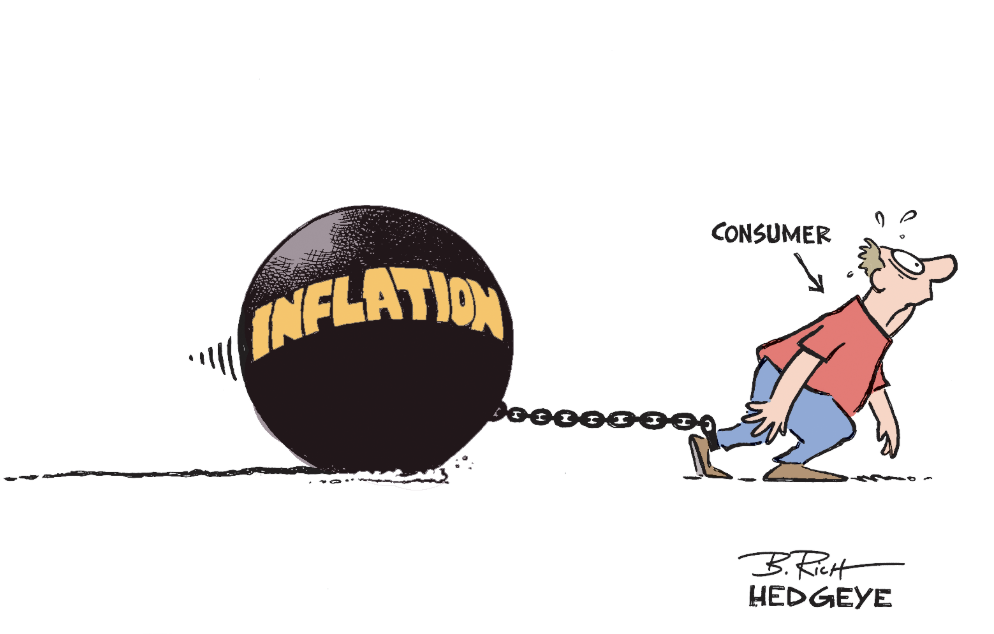
Inflation expectations in Turkey declined modestly across all prominent economic actors in December 2025, yet the gap between households and other groups remains strikingly wide. According to the latest Sectoral Inflation Expectations report released by the Central Bank of the Republic of Turkey (TCMB), households continue to anticipate far higher inflation than both market participants and the real sector, underscoring persistent public anxiety over price stability.
The report brings together data from multiple surveys, including the Market Participants Survey, the Business Tendency Survey, and the Consumer Tendency Survey conducted in cooperation with the Turkish Statistical Institute. By examining these sources collectively, TCMB provides a comprehensive snapshot of inflation expectations across financial markets, businesses, and consumers.
December 2025 Inflation Expectations at a Glance
For December 2025, all three groups revised their 12-month-ahead inflation expectations downward compared to the previous month. Market participants lowered their forecast by 0.14 percentage points, bringing their expected annual inflation rate to 23.35 percent. The real sector, representing firms and producers, recorded a sharper decline of 0.90 points, with expectations falling to 34.80 percent.
Households also reported a decrease, but their expectations remained markedly higher. Household inflation expectations dropped by 1.34 points to 50.90 percent, still more than double the forecast of market participants. This persistent divergence highlights how inflation is perceived very differently by consumers compared to professionals operating in financial markets.
Households Remain the Least Optimistic Group
Despite the monthly easing, households continue to display deep skepticism about the inflation outlook. The share of households expecting inflation to decline over the next year fell further in December, slipping by 0.30 points to 24.53 percent. This means fewer than one in four consumers believe prices will slow, a clear sign that inflationary pressures remain firmly embedded in public expectations.
Economists often view household expectations as especially important because they directly influence spending behavior, wage demands, and savings decisions. When consumers expect high inflation to persist, they tend to adjust their behavior in ways that can make disinflation more challenging to achieve.
A Year-on-Year Improvement, But From a High Base
While month-to-month changes were limited, the year-on-year comparison paints a somewhat more encouraging picture. In December 2024, inflation expectations were significantly higher across all groups. Market participants expected inflation of 27.07 percent, the real sector anticipated 47.60 percent, and households projected a steep 63.14 percent.
Compared with those figures, December 2025 marks a clear improvement in sentiment. Household optimism regarding falling inflation, however, has not strengthened. The proportion of households expecting inflation to decline stood at 26.33 percent a year earlier, indicating that confidence has weakened slightly despite lower headline inflation expectations.
Why the Gap Matters
The persistent spread between household expectations and those of market participants is more than a statistical curiosity. Central banks closely monitor these differences because they reveal how credible monetary policy is across society. Financial professionals tend to respond more quickly to policy signals, while households base expectations on everyday experiences such as food prices, rent, and energy bills.
In Turkey’s case, the data suggest that while policy messaging and macro indicators may be influencing markets and firms, households remain unconvinced that inflationary pressures will ease meaningfully in the near term.
Signals for Monetary Policy
For the TCMB, the December report offers mixed signals. On one hand, the decline in expectations across all groups supports the narrative that inflation is gradually moving lower. On the other hand, the stubbornly high expectations among households point to the risk of inflation becoming entrenched in public psychology.
Maintaining a credible disinflation path will likely require not only tight monetary conditions but also clearer improvements in price dynamics that consumers can feel directly in their daily lives.
Related articles

Shock in Turkey: Students Expect Inflation to Soar Beyond 60%
Inflation Expectations Diverge in Turkey as Households Grow More Cautious

Turkey’s Inflation Expectations Split Widely: Households, Markets and Industry See Different Futures