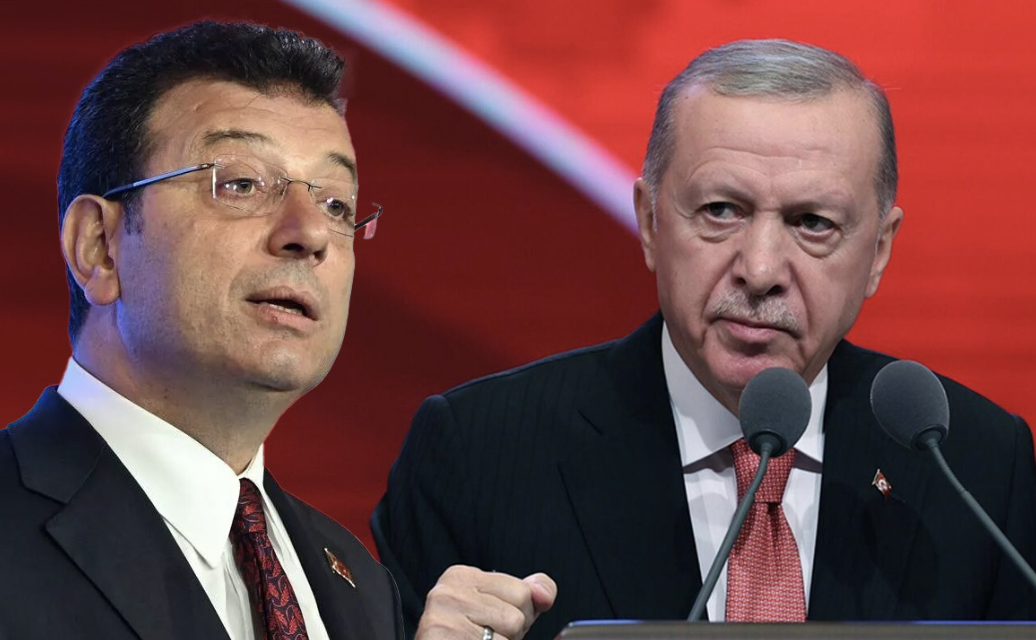
İmamoğlu Trial Begins at Marmara Prison
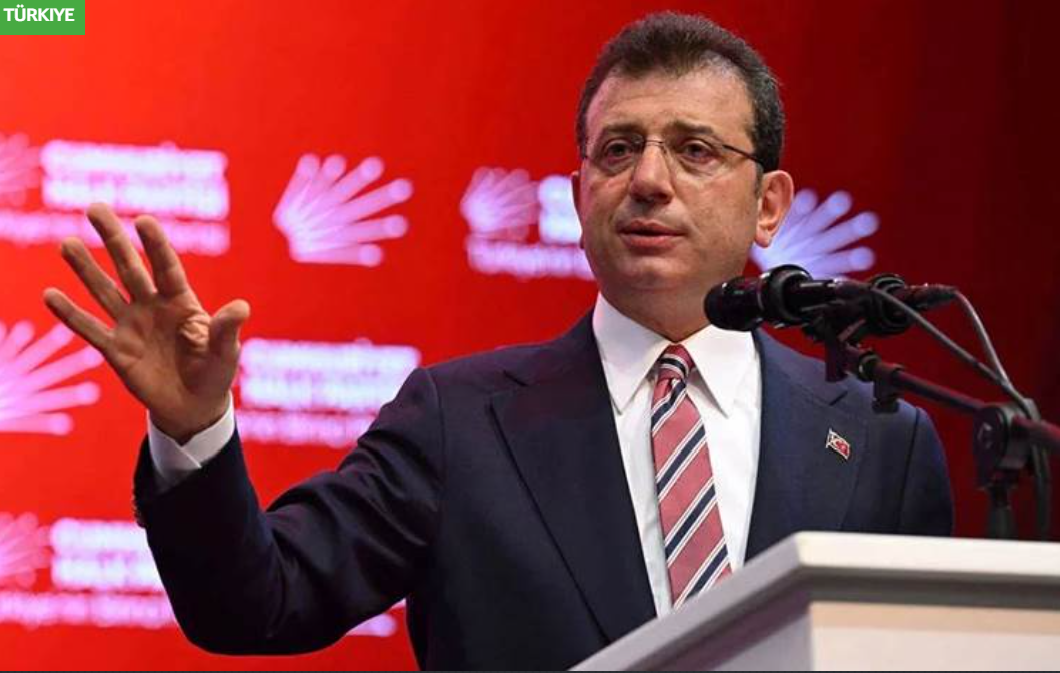 Ekrem İmamoğlu
The highly anticipated trial of Ekrem İmamoğlu, Istanbul’s Mayor and the opposition’s presidential candidate, began on September 12 at the Marmara High-Security Prison complex in Silivri. İmamoğlu faces charges of “forgery in an official document” following the annulment of his university diploma. The indictment seeks a prison sentence of up to 8 years and 9 months.
Originally set for September 11 at Istanbul’s Çağlayan Courthouse, the hearing was postponed by one day and relocated to the prison campus, raising concerns over transparency and accessibility in such a politically sensitive case.
A Charged Courtroom
Escorted by gendarmerie into the courtroom, İmamoğlu was greeted with applause. Supporters chanted slogans including “Justice, Law, Rights,” “President İmamoğlu,” and “No salvation alone, either all of us or none of us.”
Former classmates from Istanbul University attended to show solidarity, waving to him as he entered. The symbolic timing—September 12, the anniversary of Turkey’s 1980 military coup—was seen as a powerful backdrop to the trial.
Political and Legal Presence
The hearing drew significant political and civil society attendance:
-
Özgür Özel, leader of the Republican People’s Party (CHP), alongside provincial and parliamentary representatives.
-
Senior CHP figures including Özgür Çelik, Gül Çiftci, Bülent Tezcan, Sibel Suiçmez, and Ali Gökçek.
-
Istanbul Metropolitan Municipality Deputy Mayor Nuri Aslan.
-
Family members: İmamoğlu’s wife Dilek Kaya İmamoğlu, father Hasan İmamoğlu, and sister Neslihan Yakupçebioğlu.
-
Representatives from the İYİ Party, the Istanbul Bar Association, and delegations from İzmir, Antalya, and Kocaeli bar associations.
-
Observers from international legal and human rights organizations.
Also present was Seraf Özer, daughter of Esenyurt’s detained mayor Ahmet Özer, symbolizing cross-political solidarity among opposition figures facing judicial proceedings.
İmamoğlu’s Reaction to the Indictment
When the indictment was summarized in court, İmamoğlu responded with irony:
“I hope that person without any documents is also listening… You are reading this at length; I don’t understand your intention. I was 18 years old. I am astonished to hear how I could possibly have done these things.”
When the judge referred to other individuals whose diplomas had also been annulled, İmamoğlu added:
“Yes, but they rushed to open a case only against me. They are in a hurry when it comes to me.”
“The Existence of This Case Is a National Disgrace”
Beginning his defense, İmamoğlu noted the inscription behind the judge—“Justice is the foundation of the state.” Speaking directly, he declared:
“This indictment was dictated by the person who knows I will defeat him in the next election. The very existence of this case is a national disgrace. Today is September 12. For Turkish society, this date immediately recalls the coup. Whether military, civilian, political, or supported by religious networks—every coup and every person who carried them out, applauded them, or acted as their instrument must be condemned. I wish our country never to face such coups again, but unfortunately, we are currently living through another coup process. Those making decisions in this process are imposing a heavy cost on our people and our future.”
“They Knew 35 Years Ago I Would Be President”
He further framed the indictment as a long-standing conspiracy:
“I walked into a plot. What kind of plot? Thirty-five years ago, they apparently already knew I would become president. They established what is now Girne American University and created a network there. Then they formed committees at Istanbul University and even at the Higher Education Council, because YÖK accepted this. Such a vast network. They understood when I was 17 years old that I would be president.”
İmamoğlu mockingly added that in their efforts to invalidate his diploma, his opponents might even go so far as to deny the existence of the Turkish Republic of Northern Cyprus (TRNC). He argued that his satirical version of events was still more plausible than the indictment itself.
Defense by an Imprisoned Lawyer
In an unusual development, the presiding judge asked İmamoğlu whether he would accept representation by his imprisoned lawyer, Mehmet Pehlivan. İmamoğlu agreed, prompting applause in the courtroom. Pehlivan will join the trial remotely from Çorlu Prison.
Journalist Elif Çakır, reporting from the courtroom for KARAR, described this moment as a rare gesture of judicial flexibility in an otherwise tense and controversial process.
Historical Parallels and Political Stakes
By repeatedly invoking September 12, 1980, İmamoğlu sought to place his case within the broader history of Turkey’s struggles with authoritarian interventions. For many, his remarks resonated as a warning that the trial represents not only his personal future but also the state of Turkey’s democracy and judicial independence.
The case, already polarizing, is expected to influence both domestic politics and international perceptions of Turkey’s commitment to rule of law.
The opening hearing at Marmara Prison was marked by political symbolism, public solidarity, and sharp exchanges between İmamoğlu and the bench. With the opposition’s leading presidential candidate facing trial on decades-old allegations, the case is widely seen as a test of whether Turkey can guarantee fair legal processes in the midst of political contestation.
As İmamoğlu himself stated, the trial will not only determine his fate but could also shape the trajectory of Turkey’s democracy in the months to come.