İmamoğlu: “Those Behind This Conspiracy Will Answer Before Justice and the Nation”
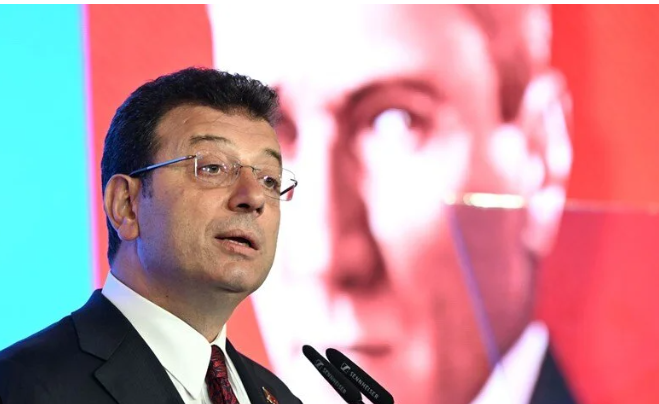 ekrem imamoglu
A statement shared via the Presidential Candidacy Office account of Ekrem İmamoğlu—an account currently restricted in Turkey—has escalated political tensions surrounding the detained Istanbul Metropolitan Municipality (İBB) mayor and opposition presidential candidate. İmamoğlu, who was removed from office following his arrest, issued a defiant message accusing the government of orchestrating a broad campaign of defamation and legal manipulation designed to sideline him ahead of national elections.
The post declared that:
“Those who staged this conspiracy, those who destroyed the presumption of innocence, will be held accountable before fair justice and before the conscience of the nation at the ballot box. You will not escape.”
The message also highlighted that İmamoğlu and other defendants have been in detention for nine months, claiming the government has used “Nine TV channels and nine newspapers” to conduct what he described as a nine-month-long character assassination campaign. The post came just one day after the third hearing in İmamoğlu’s controversial “diploma case”, which he argues is part of a broader political effort to eliminate him from the presidential race.
Following the hearing, İmamoğlu stated:
“This is not a diploma case. This is the struggle of a president turning a candidate’s legal process into a political case to neutralize that candidate.”
Call for Transparency Blocked in Parliament
The statement also criticized the decision—passed with AKP and MHP votes—to reject a proposal for İmamoğlu’s hearings to be broadcast live on TRT, Turkey’s public broadcaster. The post argued that the refusal demonstrated fear of public scrutiny, remarking:
“They even rejected live broadcasting from TRT. They feared transparency. More clearly, they feared one single person.”
According to the message, the government blocked transparency efforts not only in the courtroom but also in Parliament:
“We said, ‘There is a motion in Parliament, let every politician and every mayor account publicly before the nation.’ They ran away.”
A Highly Publicized and Politically Charged Case
The shared message listed the scale and intensity of the legal process surrounding İmamoğlu:
“4,000 pages of indictment, 826 statements, 402 suspects, 105 detained, 76 slanderers, 9 waves of raids…
We have been detained for a full nine months.”
It continued:
“They violated people’s rights. They suffered all this trouble, yet they could not deceive the nation. They feared one TV channel, one live broadcast.”
The post frames the case as a major assault on democratic norms and judicial integrity, accusing authorities of attempting to engineer a political outcome through legal pressure.
“We Will Not Forget, We Will Not Let It Be Forgotten”
The statement closes with a sweeping message addressed to the public:
“My dear nation:
They fled from transparency.
Those who staged conspiracies, who destroyed the presumption of innocence—
you will answer before fair justice, before the conscience of the nation at the ballot box.
You will not escape.
We will not forget, and we will not let it be forgotten.”
A Growing Symbol in Opposition Politics
İmamoğlu’s detention has become one of the most consequential political developments of the year. As the leading presidential candidate of the main opposition, he has been removed from office. He is facing ongoing trials, which have fueled accusations that the government is using judicial mechanisms to influence the electoral landscape. The diploma case—centered on allegations about the authenticity of İmamoğlu’s university degree—has drawn intense scrutiny both domestically and internationally.
Human rights organizations, opposition parties, and legal experts continue to question the legitimacy of the charges and the conditions of his prolonged detention. Meanwhile, government officials maintain that the legal proceedings are legitimate and independent.
However, the opposition claims that the combination of media restrictions, judicial pressure, and parliamentary decisions—such as the refusal to broadcast his hearings—demonstrates a systemic effort to prevent İmamoğlu from campaigning and reaching voters.