İmamoğlu Rejects Indictment from Silivri: “This Case Was Dead on Arrival”
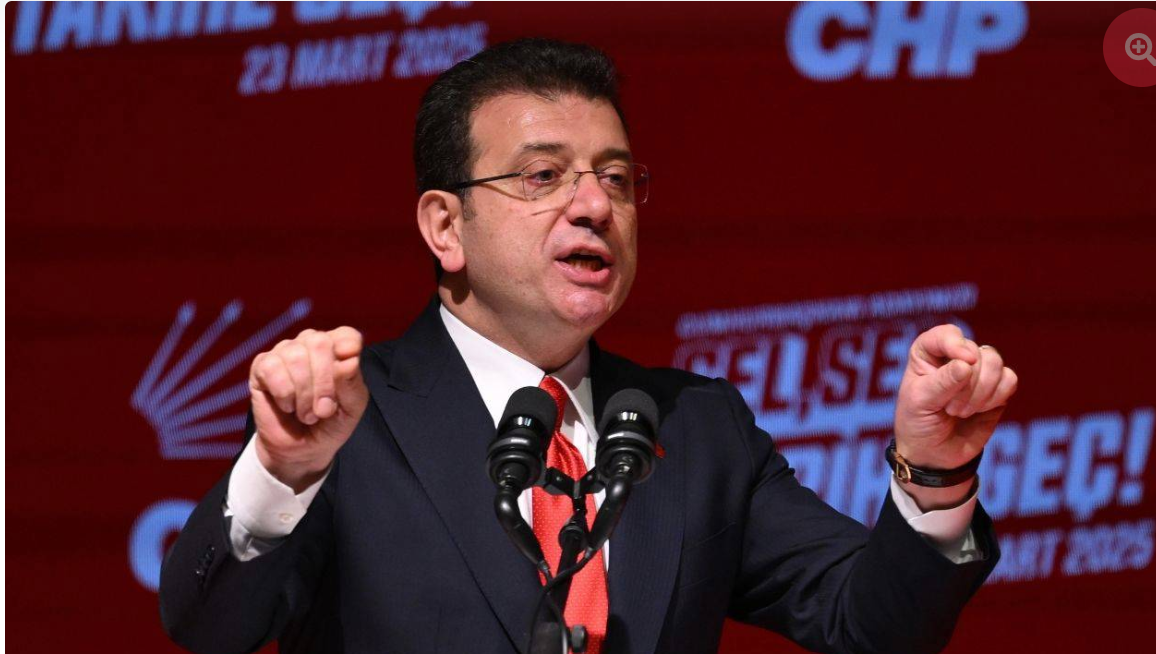 ekrem imamoglu
CHP’s presidential candidate and Istanbul Metropolitan Mayor Ekrem İmamoğlu, currently held in Silivri, issued one of his strongest statements yet about the indictment prepared against the Istanbul Metropolitan Municipality (İBB). Speaking through a newly opened X account—after his official campaign account was blocked—İmamoğlu described the indictment as legally baseless and politically constructed, arguing that its eventual outcome is already clear.
He criticized the document in stark terms, saying, “Judicial graveyards are filled with so-called brick-like indictments”, and declared that this latest file “was dead on arrival… its place and fate are already known.”
The comments arrive at a critical moment in the election period, bringing both legal and political implications. The access ban on his Presidential Candidate Office X account, imposed under the justification of “protecting national security and public order,” drew widespread debate. Despite the restriction, İmamoğlu continued sharing messages through a new account, underscoring that digital barriers will not prevent him from reaching the public.
İmamoğlu: “Political Constructs Cannot Survive Public Awareness”
Responding to the indictment, İmamoğlu framed the case as part of a broader pattern of politically motivated legal actions.
He stated: “Table-top constructs and the calculations of political cliques will disappear in the face of our nation’s wisdom.”
This line reflected his long-standing view that legal proceedings used for political engineering ultimately lose legitimacy when confronted by public scrutiny.
İmamoğlu also criticized attempts to criminalize routine municipal services. He emphasized that projects like public preschools, metro expansions, student dormitories, and low-cost city restaurants are being framed as wrongdoing solely because they deliver tangible benefits to citizens.
As he put it: “The mentality that considers building preschools, metros, or dormitories, or opening city restaurants—somehow a crime will never succeed in this country.”
A Vision Beyond Political Engineering
Looking ahead, İmamoğlu linked his criticism of the indictment to a broader message about Turkey’s future. Rather than allowing the national agenda to be dominated by legal maneuvers or manufactured narratives, he highlighted what he sees as the real priorities of the electorate.
He said, “When the government of the people comes to power, we won’t be discussing political engineering. We’ll be discussing domestic industry and agriculture, technological breakthroughs, and a system where we win together and share.”
With this, İmamoğlu underscored the contrast between day-to-day political battles and the long-term socioeconomic challenges facing the country.
Access Bans and Digital Campaign Obstacles
The decision to block İmamoğlu’s official campaign account triggered extensive discussion about digital restrictions and their implications for political communication. Analysts note that such bans, especially during election periods, often have the opposite effect of their intended purpose by drawing even more attention to the targeted messages.
İmamoğlu’s immediate move to continue communication through a new account reflects the changing nature of political campaigns, where digital adaptability has become as crucial as traditional field operations. The situation also highlights broader debates on freedom of expression, platform regulation, and state intervention in digital spaces.
A Legal Case with Political Reverberations
Experts evaluating the indictment have emphasized its unusual structure and the scope of the accusations, renewing discussions about the line between legal procedure and political influence. İmamoğlu’s critique of “brick-like indictments” resonates with past high-profile cases in Turkey that were later invalidated, dismissed, or criticized for procedural flaws.
While the legal process continues, the case’s political ramifications are already shaping the national conversation. Many observers note that, regardless of its eventual legal outcome, the indictment has become a defining issue in the election cycle—shaping narratives of justice, governance, and democratic resilience.
Conclusion: Legal Uncertainty, Political Clarity
İmamoğlu’s latest remarks from Silivri combine legal argument, political messaging, and campaign rhetoric.
While the judicial process is ongoing, his central claim is clear: that the indictment lacks legal foundation and is part of a broader attempt at political interference.
At the same time, he insists that public perception, democratic norms, and the country’s long-term agenda will ultimately outweigh politically motivated actions.
By reaffirming his commitment to transparency, service delivery, and economic development, İmamoğlu signals that the campaign will continue to focus not on courtroom maneuvers but on the vision he believes the electorate is truly concerned with.
Related articles
Poll: 63.5% of Turkish Citizens Support Early General Elections Amid İmamoğlu Arrest Protests

Jailed but Defiant: Erdoğan’s Main Challenger Vows to Win Turkey’s Presidency from Prison
Imprisoned CHP Presidential Candidate Ekrem İmamoğlu Slams Erdoğan Over New Wave of İBB Operations