How Turkey’s Grain Authority and Farmers Are Being Squeezed
 agriculture
While economic debates in Turkey often focus on inflation, interest rates, and household incomes, a quieter but equally serious crisis has been unfolding in the agricultural sector. New financial and production data reveal a sharp reversal in the performance of the Turkish Grain Board (Toprak Mahsulleri Ofisi – TMO), alongside worsening conditions for farmers. Together, these developments paint a troubling picture of mounting structural stress in agriculture.
Once remembered by generations of producers as “the office is the farmer’s ally in hard times,” TMO has historically played a stabilizing role in Turkey’s food supply and rural economy. However, recent figures indicate that this role has become increasingly difficult to sustain under current economic conditions.
A Dramatic Financial Reversal at TMO
The most striking indicator of distress is TMO’s financial performance. After posting profits for two consecutive years, the institution recorded a substantial loss in 2024. According to publicly available economic data, TMO earned 384.2 million TL in profit in 2022 and increased this figure to 675.4 million TL in 2023. Just one year later, the balance sheet changed dramatically.
By the end of 2024, TMO reported a total loss of 12.096 billion TL. This sharp turnaround marks one of the most significant financial setbacks in the institution’s history. Analysts attribute the loss primarily to rising sales costs and the impact of inflation accounting adjustments, which alone amounted to approximately 9.5 billion TL. These figures highlight how cost pressures and accounting realities can rapidly erode the financial stability of even long-established public institutions.
Rising Costs and Structural Pressures
The loss did not emerge in isolation. It reflects broader economic forces affecting public enterprises involved in procurement, storage, and price regulation. As input costs rise and inflation distorts balance sheets, institutions like TMO face growing difficulty in maintaining price stability while remaining financially sustainable.
Inflation adjustment requirements, though technical in nature, have had a tangible impact. When combined with higher operating and sales costs, they transformed what had been a profitable operation into one operating deep in the red. This shift raises questions about the long-term viability of existing pricing and support mechanisms in agriculture.
Declining Crop Production Signals Deeper Issues
Financial losses at TMO coincide with another concerning trend: falling agricultural output. Official production data for 2024 show declines across several key crops central to both food security and rural livelihoods.
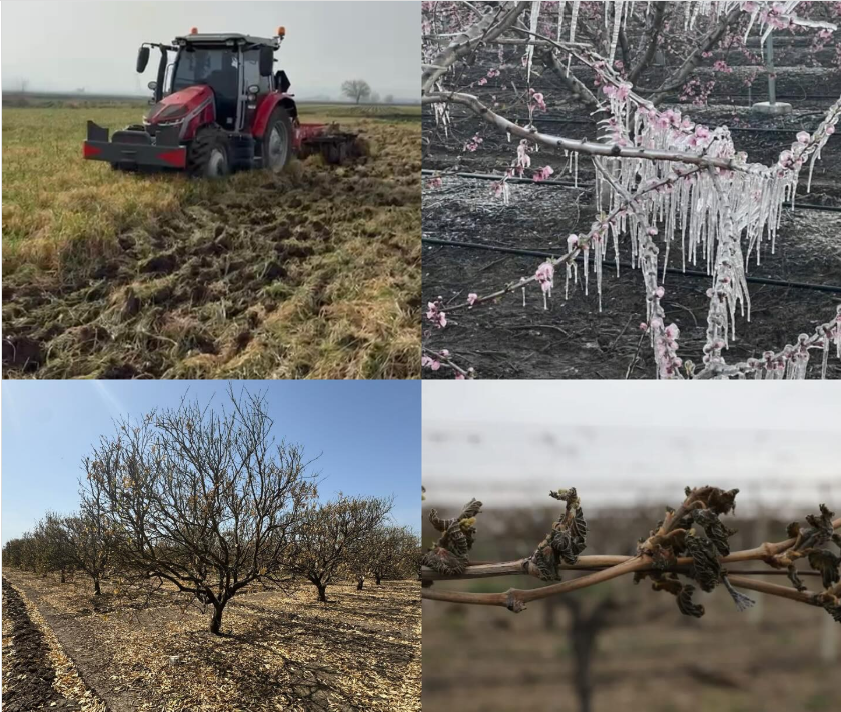
Domestic wheat production fell by 5% compared to the previous year. Barley output declined even more sharply, dropping by 12%, while corn production decreased by 10%. These reductions suggest that farmers are facing growing challenges, including rising input costs, climate-related risks, and financing constraints.
Such declines matter beyond the farm gate. Lower production increases reliance on imports, puts pressure on food prices, and complicates the task of public institutions responsible for market stabilization.
Farmers Under Mounting Financial Strain
Perhaps the clearest indicator of distress within the agricultural sector is the rapid accumulation of farmer debt. Data shows that farmers’ outstanding loans to banks have reached a record level of 1.15 trillion TL. This figure underscores the extent to which agricultural producers are relying on credit to sustain operations.
High debt levels reduce resilience. As interest expenses rise and incomes become more volatile, many farmers find it increasingly challenging to remain economically viable. Over time, this dynamic risks accelerating the exit of producers from agriculture, contributing to rural depopulation and weakening domestic food production capacity.
The Erosion of Agriculture’s Safety Nets
Historically, institutions like TMO functioned as buffers against market volatility, purchasing crops at guaranteed prices and supporting farmers during unfavorable conditions. The combination of institutional losses, declining production, and soaring debt suggests that these safety nets are under strain.
When public agencies struggle financially, their ability to intervene effectively in markets diminishes. This, in turn, leaves farmers more exposed to price swings and cost shocks, creating a feedback loop that deepens sector-wide vulnerability.
A Warning Sign for Food Security and Rural Stability
Taken together, the figures reveal more than isolated accounting losses or temporary production dips. They point to a broader challenge facing Turkey’s agricultural model. Sustainable farming depends on predictable policies, manageable costs, and access to affordable financing. When these elements weaken simultaneously, the effects ripple through the entire economy.
TMO’s 2024 experience serves as a warning signal. Without adjustments that address cost structures, financing conditions, and production incentives, pressures on both public institutions and farmers may intensify. Ensuring the long-term health of agriculture is not only an economic concern but also a strategic one, tied directly to food security and social stability.