Hakan Fidan: KAAN Jet Engines Stalled in US Congress as S-400 Dispute Lingers
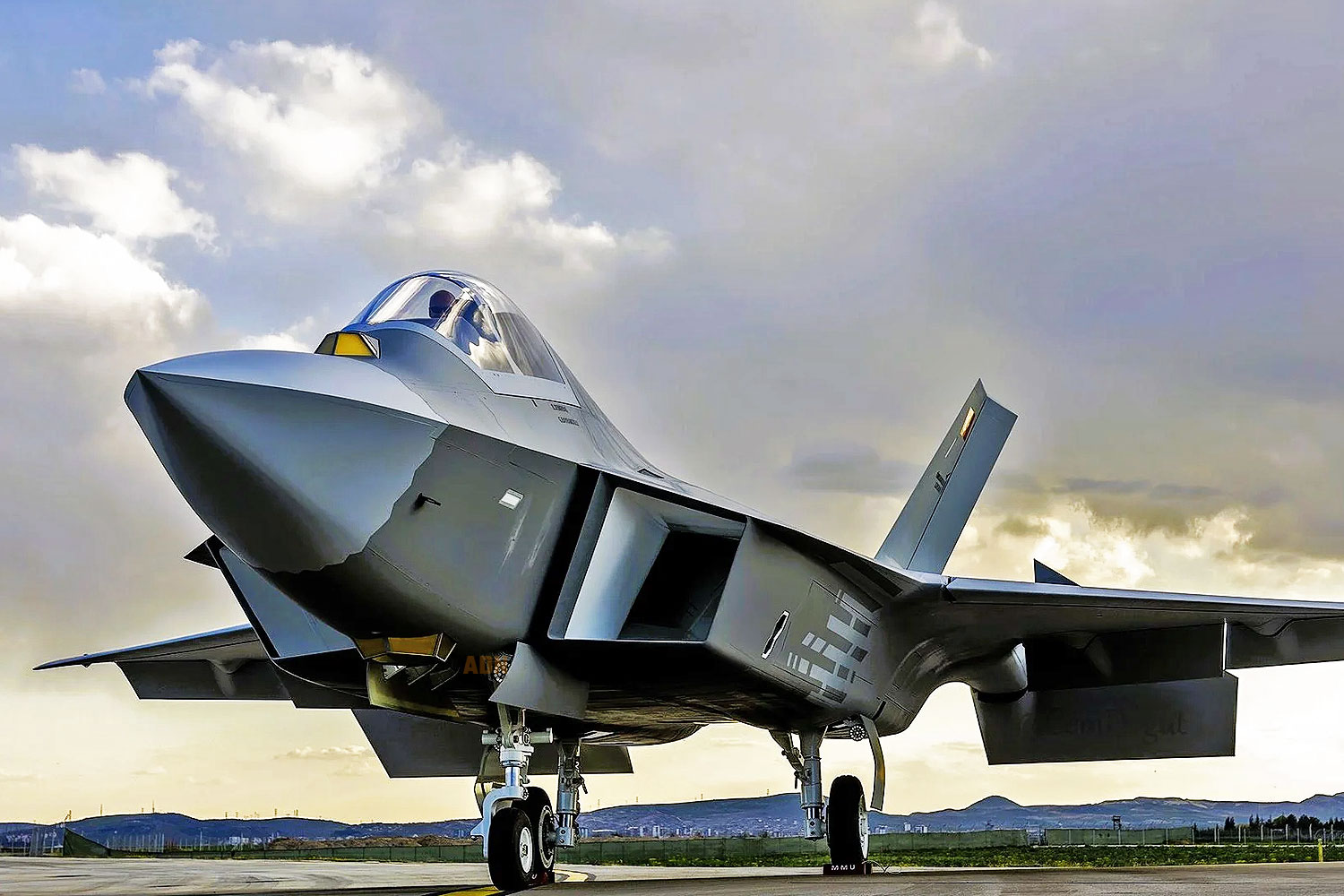 Kaan Jet
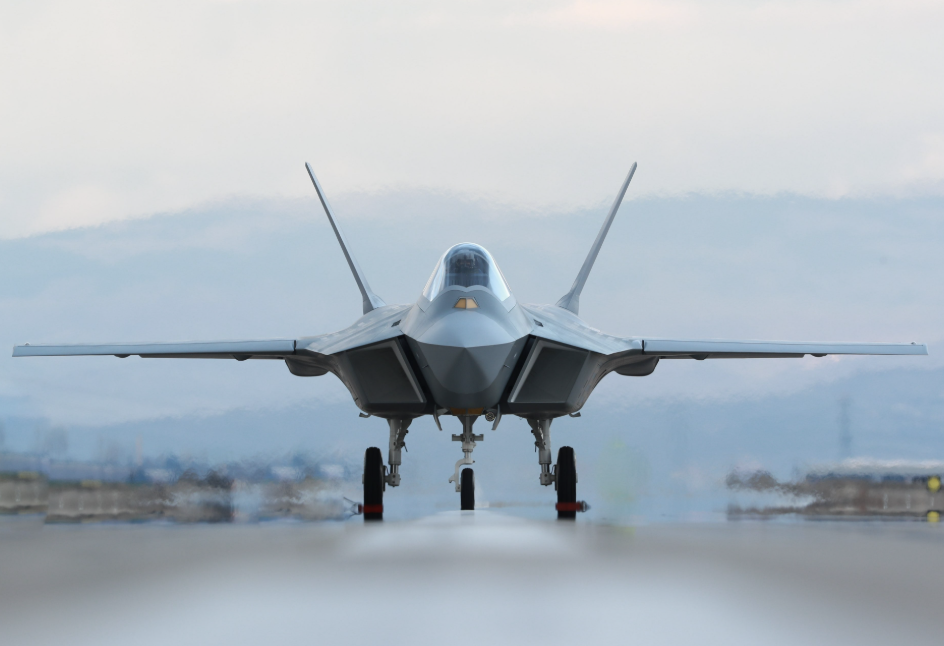
Turkey’s ambitious KAAN fighter jet program has run into turbulence, with Foreign Minister Hakan Fidan revealing that the jet engines needed for production are being held up in the US Congress. The delay stems from ongoing restrictions under CAATSA—the Countering America’s Adversaries Through Sanctions Act—which has haunted Turkey’s defense sector since its purchase of the Russian S-400 system.
Fidan: “Licenses Frozen Under CAATSA”
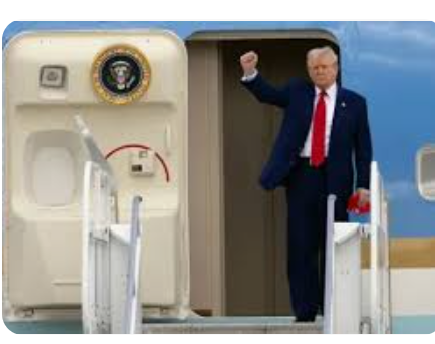
Speaking in New York on September 27, just two days after President Erdoğan met US President Donald Trump at the White House, Fidan underlined the seriousness of the issue: “We are waiting for the F-35 and KAAN engines. They are stalled in Congress, licenses frozen. Without them, KAAN production cannot begin. These restrictions push us to seek alternatives in the international system.”
His comments reignited debate over the future of KAAN, Turkey’s indigenous fifth-generation fighter, and cast a spotlight on the fragile state of Ankara-Washington relations.
CAATSA Legacy: Sanctions That Still Bite
The problem traces back to 2017, when CAATSA was passed by Congress and signed by then-President Trump. The law targets countries doing significant defense business with Russia, Iran, or North Korea. Turkey became the first NATO member sanctioned under CAATSA after acquiring the Russian S-400 air defense system, a move that also got Ankara expelled from the F-35 program.
Since 2020, Turkey’s Defense Industry Presidency (SSB) has been blacklisted, blocking Turkish defense companies from US export licenses. Without lifting or waiving these restrictions, the path to acquiring engine licenses for KAAN appears blocked.
Trump’s Waiver Power—and Its Limits
Legally, the US President has authority under CAATSA’s Section 231 to grant exemptions if doing so is deemed in America’s national security interest. But it comes with conditions: the administration must certify that lifting sanctions would not undermine US security, military operations, or defense technology.
Former US Ambassador to Turkey James Jeffrey told DW Türkçe that while Trump wants better ties with Ankara, it will depend on whether he can “secure flexibility in Congress, and at what cost.” Even if both leaders agree, Jeffrey stressed, decisions must also involve “legal teams, technical staff, and equipment producers.”
Congress Pushes Back
Resistance in Congress remains strong. In August, 40 lawmakers led by Rep. Chris Papas and members of the Hellenic Caucus sent a letter to the State Department stressing bipartisan support for keeping sanctions. They argued that lifting them without Turkey abandoning the S-400s would violate US law.
A follow-up letter on September 25, the day of the Trump-Erdoğan summit, doubled down: under the National Defense Authorization Act (NDAA) Section 1245, Turkey could only regain access to advanced systems like the F-35 if it no longer possesses the S-400 or related equipment and pledges not to buy similar systems in the future. Unlike CAATSA’s waiver clause, these NDAA provisions are mandatory conditions, not discretionary.
S-400: The Sticking Point
Jeffrey was blunt: “The smartest thing to do is get rid of the S-400s—sell them to someone else. They don’t help Turkey’s defense, they undermine it. It’s not the only way back to the F-35, but it’s the easiest.”
Congressional letters echoed the same message: no movement on KAAN engines, F-35 access, or broader defense cooperation will happen as long as Ankara keeps the Russian system.
Strategic Crossroads for Turkey
For Turkey, the KAAN jet is not just a defense project but a symbol of strategic autonomy. Yet without US engines—or alternative suppliers—production timelines risk major delays. The US stance also pressures Ankara to decide whether to cling to the S-400s at the cost of defense partnerships or consider offloading them to unlock cooperation.
The standoff encapsulates the broader Ankara-Washington dilemma: a NATO ally sanctioned like an adversary, navigating between East and West while trying to sustain its domestic defense ambitions.