



Guillermo del Toro’s Frankenstein: A Haunting Reflection on Creation, AI, and the Price of Being Human
 frankenstein
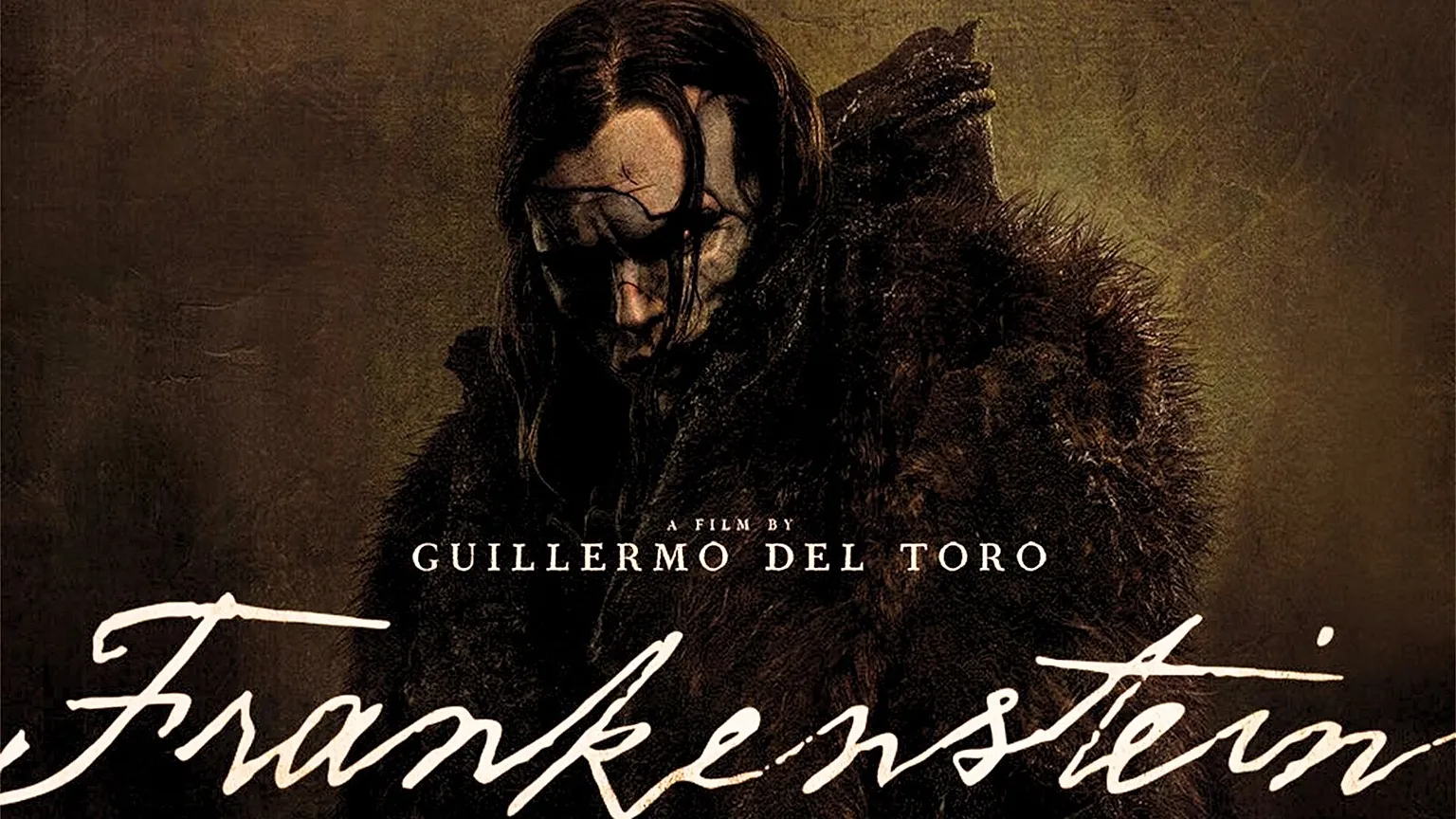
Guillermo del Toro has reimagined Frankenstein with the depth and melancholy of a gothic philosopher. His latest Netflix release, which premiered on November 7, tears away the “monster” label long attached to Mary Shelley’s tragic creation and replaces it with an emotional, moral, and existential masterpiece.
The Oscar-winning filmmaker behind Pan’s Labyrinth and The Shape of Water turns the 19th-century myth of hubris into a mirror for the 21st-century age of artificial intelligence. Del Toro’s creature is no longer a horror icon—it is a reflection of human arrogance, emotional neglect, and the endless cycle of creation and rejection.
A Tale of Fathers, Sons, and Fear of Creation
Starring Oscar Isaac as Victor Frankenstein, Jacob Elordi as the Creature, and Mia Goth as Elizabeth and Victor’s mother, the film transforms Shelley’s story into a meditation on intergenerational trauma and paternal failure. Del Toro frames the narrative aboard a ship trapped in Arctic ice, isolating the creator and creation from the world. By dividing the film into two acts—Victor’s confession and the Creature’s recollection—he revives the novel’s epistolary depth and guides the audience from horror to empathy.
In this version, the Creature is not a beast but a victim—an abandoned child of a proud father who cannot love what he made. The director uses this relationship to draw a striking parallel with today’s AI ethics debates. Victor’s fear of his creation mirrors our own unease about machines that may one day outthink or outlive us.
When Victor realizes the Creature can speak only his name, he dismisses it as unintelligent and unworthy of existence. It’s a piercing metaphor for the modern developer’s impulse to devalue and restrain an imperfect creation—a warning about the dangers of hubris in both science and technology.
“Victor’s attempt to chain what he fears,” the film suggests, “is humanity’s attempt to put guardrails on what it cannot fully control.”
Modern Myth, Ancient Echoes
Del Toro crafts Frankenstein as a universal myth of rebellion and grief. The father-son conflict echoes Shakespeare’s Hamlet, Joyce’s Ulysses, and even Turkish epics like Dede Korkut. The parallels extend to theology: Victor’s arrogance recalls the fall of Iblis in Islamic tradition, punished for pride against his Creator.
In Frankenstein, science replaces divinity, yet the sin remains the same—the desire to play God without compassion. Del Toro weaves East and West into a seamless allegory about pride, guilt, and the longing for forgiveness.
The Birth of Empathy and the End of Evil
Del Toro aligns his film with the modern cinematic trend of re-humanizing villains, as seen in Joker, but here empathy never romanticizes evil. Instead, the director asks what happens when a soul is denied love. The Creature’s pain is not born of malice but of neglect, its violence the echo of an unloved child.
The film culminates in a breathtaking scene: as Victor dies, the Creature whispers, “Maybe now we can both be human.” It’s a moment of quiet redemption—the breaking of the cycle of inherited pain.
Deathless Flesh and the Aesthetics of Imperfection
Del Toro introduces one of the story’s boldest innovations: the Creature is immortal. Surviving explosions, bullets, and wolves, it becomes a mythic symbol of eternal solitude. Even as Victor dies, his “mistake” lives on—a haunting metaphor for how human creations outlast their creators.
Jacob Elordi’s performance defies expectations. His movement draws from Butoh, the Japanese post-war dance of trauma and transformation, evolving from awkward physicality to soulful presence. Makeup artist Mike Hill designed the Creature not as grotesque but as tragically beautiful—an echo of the flayed Saint Bartholomew statue in Milan Cathedral.
Del Toro, inspired by Victor’s self-mocking line that he tried to build a “Porsche” but failed, redefines monstrosity as the beauty of imperfection.
The Dual Role of Elizabeth: Compassion and Conscience
Mia Goth delivers one of the film’s most layered performances, portraying both Elizabeth and Victor’s mother—a deliberate psychological link that exposes the root of Victor’s emotional void. Elizabeth’s compassion toward the Creature, whom she greets with maternal warmth rather than fear, stands in contrast to Victor’s moral blindness.
Her death scene departs from Shelley’s novel: the Creature seeks not revenge but forgiveness, turning violence into an act of tragic tenderness. This twist reframes the story around empathy rather than punishment, solidifying Del Toro’s version as a philosophical drama cloaked in gothic horror.
A Mirror for the Modern Age
In Del Toro’s hands, Frankenstein transcends genre. It becomes a study of humanity’s endless urge to create—and to destroy what it cannot understand. The film interrogates modern science, technology, and emotional neglect with the precision of myth.
Ultimately, Frankenstein is not about monsters, but about us—the flawed, yearning beings who continually build reflections of ourselves and call them mistakes.