Greece Builds Multi-Billion Dollar ‘Achilles Shield’ in Preparation for Drone Warfare Against Turkey
 Görsel bulunamadı
🔥 Analysis: High Stakes in the Aegean—Assessing the Risk of Armed Conflict
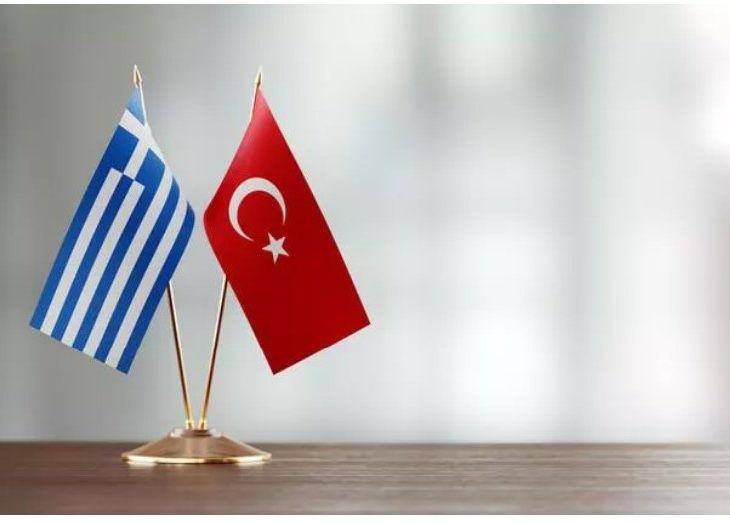
The escalating tensions between Turkey and the emerging security alliance of Greece, Israel, and Cyprus have raised serious concerns over stability in the Eastern Mediterranean. While the probability of a direct, large-scale armed conflict between these powers remains low, the increased frequency of military posturing, naval confrontations, and airspace violations significantly heightens the risk of a miscalculation or accidental escalation. Greece’s accelerated and targeted military modernization, fueled by the rapid growth of Turkey’s indigenous defense industry, is not merely reactive; it is a calculated strategic shift driven by lessons learned from modern conflicts in Ukraine and the Middle East. This strategic pivot aims to build a comprehensive deterrence system, implicitly positioning the allied nations against Ankara’s growing regional influence.
🛡️ Greece Embarks on €25 Billion Military Overhaul
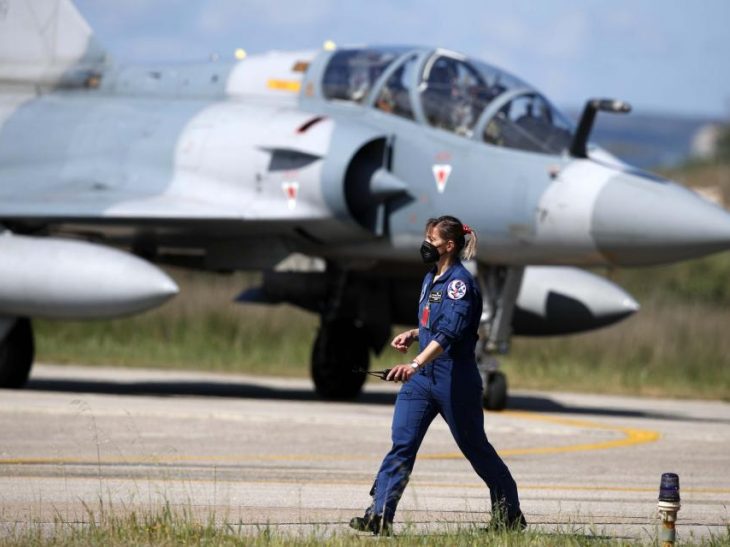
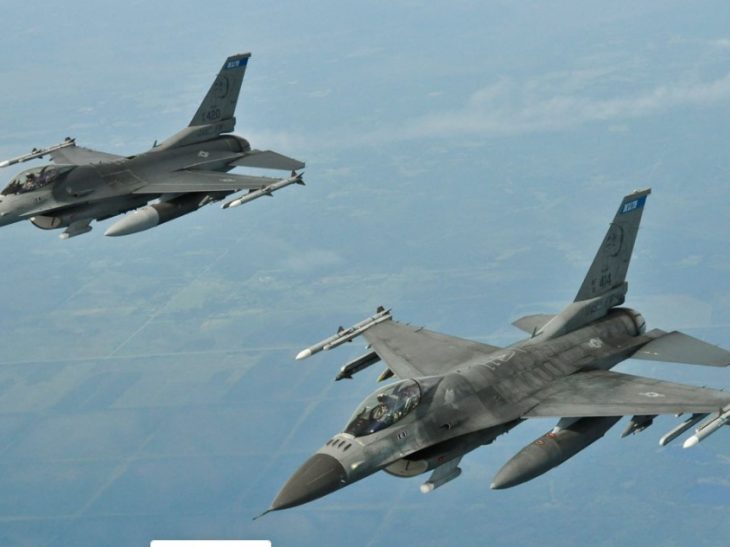
Following years of stagnation, Athens has entered the largest modernization period in the history of its Armed Forces. Over the next 12 years, the government plans to allocate approximately €25 billion to bolster military capabilities, including the acquisition of Rafale fighters and the modernization of its existing F-16 fleet.
This massive investment is predicated on the assessment that future wars will be defined by the mass use of Unmanned Aerial Vehicles (UAVs), cruise missiles, and loitering munitions. Greece is positioning itself ahead of many European allies by focusing investments on cutting-edge counter-drone and air defense systems.
The Israeli Blueprint: ‘Achilles Shield’ to Guard Greek Skies
The central pillar of Greece’s modernization is the “Achilles Shield,” the Greek equivalent of Israel’s national air defence system. Estimated to cost around $2.8 billion, this multi-layered defensive system is designed to provide comprehensive protection against aerial, missile, and counter-drone threats, alongside components targeting surface and underwater threats. The system is slated for launch by 2027.
The air defenses will integrate three layers based heavily on proven Israeli solutions, marking a definitive departure from Greece’s older, inconsistent mix of Russian and American systems. This unified, modern defense architecture will include:
-
Short-Range: Mobile SPYDER systems.
-
Medium-Range: Barak MX systems.
-
Long-Range: SkyCeptor interceptors (replacing the aging S-300 batteries).
Furthermore, Greece is investing in domestic industrial capabilities, with serial production of portable counter-drone systems, Iperion and Telemachus, planned to begin in 2026.
🤝 The Anti-Turkey Alliance: Israel, Greece, and Cyprus Deepen Ties
Greek defense investments are a direct response to the dynamic expansion of Turkish air defense capabilities, exemplified by the production of Bayraktar (Kızılelma) and TAI (Anka) systems, alongside the deployment of Atmaca and Tayfun missiles. This rapid build-up has fostered a shared threat perception in both Athens and Jerusalem, facilitating a significant tightening of their military and intelligence cooperation.
This security triangle—involving Greece, Israel, and Cyprus (GKRY)—is rapidly becoming the region’s dominant counter-balance to Turkey:
-
Advanced Procurement: Athens is negotiating the purchase of Israeli-made PULS rocket artillery systems and has already acquired Heron and Orbiter-3 drones and SPIKE Non-Line-Of-Sight missiles.
-
Interoperability and Training: The countries signed a $1.65 billion agreement in 2021 to establish a training center for the Hellenic Air Force. Combined air and naval exercises are conducted regularly to enhance interoperability.
-
F-35 Advantage: Greece’s order for the advanced F-35 fighter jet, coupled with Israel’s F-35 experience, is seen as providing a crucial technological advantage over Turkey, which remains excluded from the program due to its purchase of the Russian S-400 system.
-
US Energy Backing: The cooperation is reinforced by US strategic interests, as evidenced by the 3+1 Energy Ministerial (US, Israel, Greece, Cyprus), which aims to promote regional energy security. The US military presence in the region further acts as a deterrent and a monitor for regional stability.
🚢 Naval Power and Diplomatic Engagement
Beyond air defense, Greece is strengthening its Navy, with French-made FDI frigates forming the backbone of its surface fleet, alongside plans for modernizing Type 214 submarines. This commitment to naval power underscores the overlapping maritime and air challenges specific to operations in the Aegean Sea.
While the security block tightens, the US maintains a diplomatic role, with Ambassador Tom Barrack recently affirming Washington’s intent to act as a “bridge” between the two NATO neighbours, urging Turkey and Greece to set aside “resentment over things that happened hundreds and thousands of years ago.” However, the US is simultaneously encouraging the expedited review of Israeli arms sales to Greece, ensuring its partners remain technologically capable.