



Global Risk Map 2025: Why Some Countries Are Becoming More Dangerous
 dangerous-countries
International security rankings released for 2025 paint a stark picture of a world grappling with persistent instability, prolonged wars, and weakening state authority. According to global risk assessments, internal unrest, terrorism, armed conflict, and political volatility remain the dominant factors shaping perceptions of how dangerous countries are this year. Analysts warn that where violence becomes entrenched and institutions erode, recovery grows exponentially harder.
At the center of these evaluations is a comprehensive assessment prepared by Economics & Peace, which annually measures levels of peace and insecurity across the globe. Its flagship publication, the Global Peace Index 2025, evaluates dozens of indicators ranging from armed conflict and militarization to societal safety and political stability. The findings underline a clear trend: regions experiencing long-running conflicts and humanitarian crises dominate the list of the world’s most dangerous countries.
How Global Security Risks Are Measured
Security indices such as the Global Peace Index do not focus solely on active warfare. Instead, they combine a wide range of data points, including internal displacement, terrorist activity, violent crime, military expenditure, and governance strength. Experts emphasize that even countries not officially at war can rank poorly if political institutions weaken or social tensions escalate.
Specialists contributing to the 2025 report stress that state fragility has become one of the most decisive risk multipliers. Where governments lose their ability to provide security, justice, and basic services, violence tends to persist and spread. Civilian populations in these environments face heightened threats, from armed groups to economic collapse, making humanitarian intervention increasingly urgent.
Türkiye’s Position in the 2025 Rankings
One of the most closely watched outcomes of the 2025 index is Türkiye’s placement. The report ranks Turkey as the 18th most dangerous country worldwide. Analysts attribute this position not to widespread internal warfare but to a combination of regional security pressures, ongoing conflicts in neighboring states, cross-border threats, and complex geopolitical dynamics.
Experts note that Türkiye’s geographic location places it near several of the world’s most volatile regions. Spillover effects from conflicts, refugee movements, and regional power struggles continue to weigh on its security score. Despite strong state institutions compared to many high-risk countries, proximity to instability remains a critical factor shaping Türkiye’s ranking.
The World’s Most Dangerous Countries in 2025
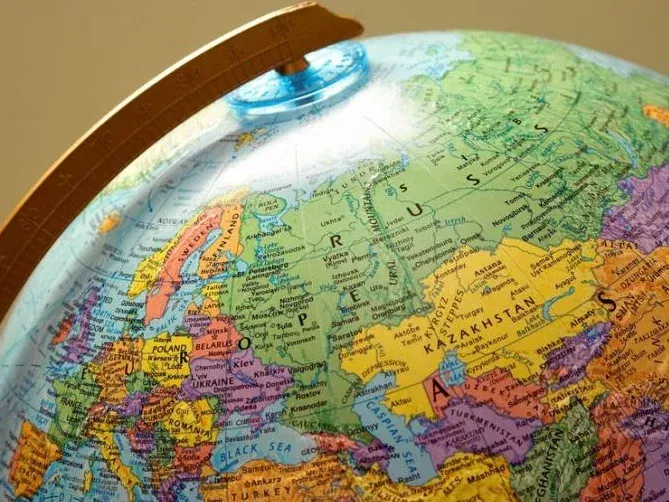
The top of the danger index is dominated by countries experiencing full-scale wars, collapsed governance, or deep humanitarian crises. At number one stands Russia, followed closely by Ukraine, reflecting the devastating impact of prolonged interstate conflict. Sudan ranks third, with internal fighting triggering one of the world’s most severe humanitarian emergencies.
Other countries in the highest-risk tier include the Democratic Republic of Congo, Yemen, Afghanistan, and Syria. In these nations, decades of violence, armed factions, and limited state control have created environments where civilian safety is severely compromised. Observers highlight that rebuilding peace in such contexts requires not only ceasefires, but long-term political and economic reconstruction.
Middle and Lower High-Risk Countries
Beyond the top ten, the list includes a wide range of countries facing chronic insecurity. Nations such as Pakistan, Iran, Haiti, Venezuela, and Colombia struggle with combinations of political unrest, organized crime, and economic instability. In Africa, countries like Mali, Burkina Faso, Somalia, and Nigeria remain highly exposed due to insurgencies and weak governance structures.
Even countries ranking lower on the danger scale, including Mexico and Lebanon, continue to face serious security challenges tied to criminal violence, political polarization, and economic stress. Analysts caution that without sustained reforms, these states risk sliding further up the danger rankings in the coming years.
Why These Rankings Matter
Security experts emphasize that global danger rankings are not merely academic. They shape international investment decisions, travel advisories, humanitarian funding priorities, and diplomatic engagement. A deteriorating security score often signals rising risks for civilians, journalists, aid workers, and businesses operating in affected regions.
The 2025 findings also underscore a broader global concern: peace is becoming harder to sustain. With conflicts increasingly interconnected and state authority under pressure in multiple regions, the line between local instability and global risk continues to blur. International organizations, analysts argue, must respond with coordinated strategies that address not only violence itself, but the political and economic roots that allow it to persist.