Global Cancer Crisis Looms: Deaths Could Hit 18.6 Million by 2050
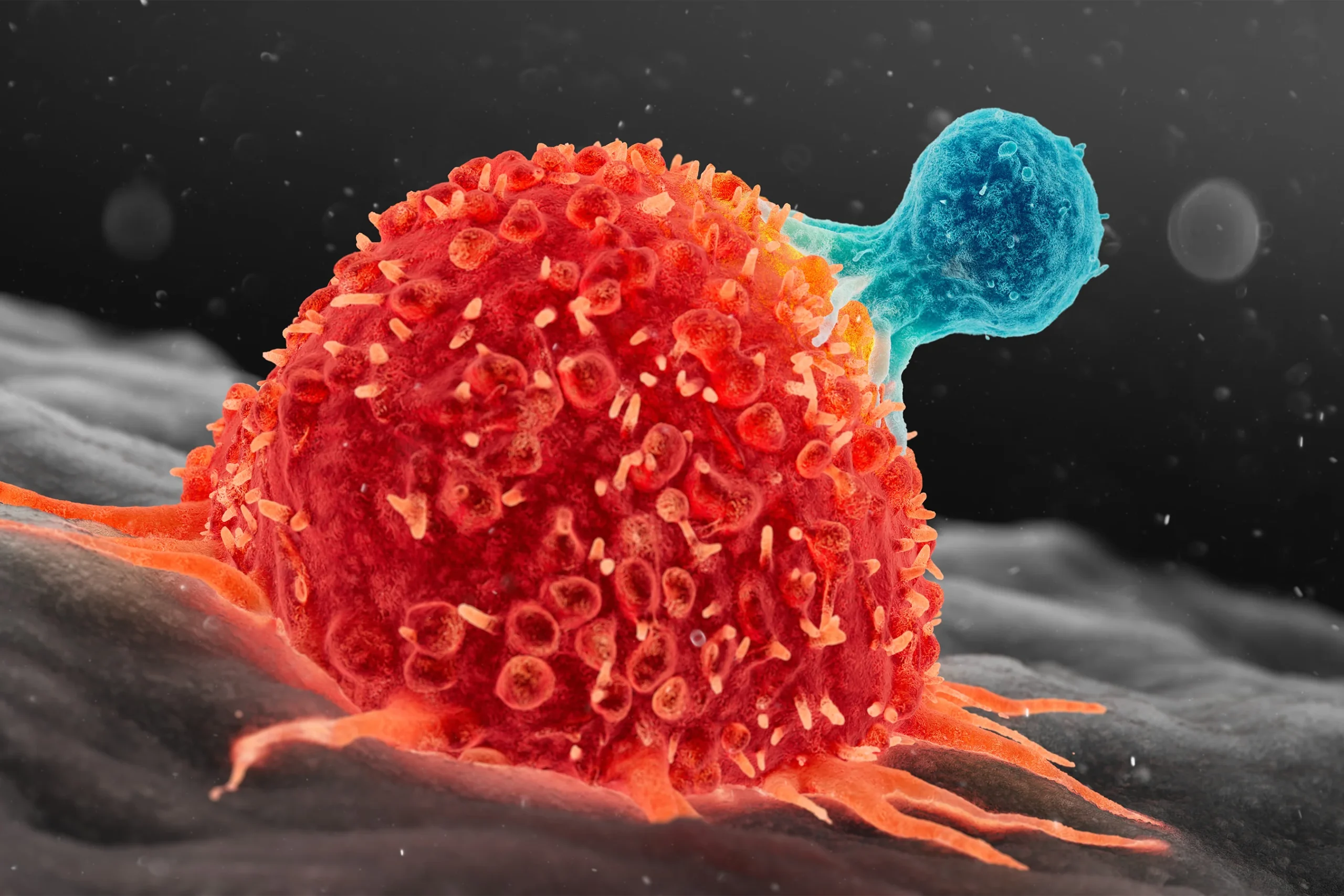 cancer deaths
A sweeping study published in The Lancet warns the world is heading toward an unprecedented cancer crisis. Researchers at the University of Washington project that by 2050, annual cancer deaths could soar to 18.6 million, fueled by aging populations, sedentary lifestyles, and rising obesity rates. Unless governments act swiftly, the next quarter century may see a health catastrophe unfolding on a scale not witnessed before.
Cases Already Doubled Since 1990
The report shows the crisis is not a distant threat but an ongoing reality. Between 1990 and 2023, new cancer cases more than doubled, climbing past 18.5 million annually. If current trends continue, the world could face 30.5 million new cases by 2050, marking a 61% rise. Even more alarming, deaths could increase by up to 75%, erasing decades of progress in medical care.
Why the Numbers Are Climbing
Experts highlight several drivers behind the surge. Longer lifespans naturally increase cancer risk, but lifestyle factors have accelerated the trend. Tobacco use, unhealthy diets, obesity, and reduced physical activity are major contributors. In developing nations, weak health systems compound the threat by delaying diagnoses and limiting treatment options. Researchers warn that without aggressive prevention policies, many cancers that are avoidable will continue to claim millions of lives unnecessarily.
Turkey Mirrors the Global Crisis
According to Turkish oncology expert Prof. Dr. Türkan Öztürk Topcu, cancer incidence in Turkey has been rising in parallel with global patterns. As of 2024, Turkey recorded approximately 250,000 new cancer cases annually, with 132,000–140,000 deaths each year. Men in Turkey most often face lung cancer (25%), prostate cancer (13%), and bladder cancer, while women are most affected by breast cancer (23%), thyroid cancer (11%), and colorectal cancer. These figures not only highlight the scope of the disease but also underscore the urgent need for prevention and early detection.
Calls for Immediate Preventive Action
Leading health organizations are urging governments to make cancer prevention a top priority. Michelle Mitchell, CEO of Cancer Research UK, stressed the importance of prevention: “HPV aşıları ve tütün kontrolü gibi önlenebilir nedenlere karşı mücadele araçlarının daha etkin kullanılması gerekir.” Her message reflects a growing frustration that solutions already exist but are not being implemented with the urgency required.
Dr. Lisa Force, one of the study’s authors, was even more direct: “Bu büyüyen tehdide rağmen, kanserle mücadele politikaları hâlâ pek çok ülkede öncelik listesinde yeterince üst sıralarda değil.” She highlighted inadequate funding and policy neglect as obstacles that keep many countries from mounting an effective response.
Proof That Prevention Works
The report emphasizes that progress is possible. Nations like the United States and Australia have demonstrated that strong preventive measures pay off. By aggressively targeting tobacco use, both countries reduced cancer mortality by over 30%. The lesson is clear: with early screenings, vaccination campaigns, public awareness efforts, and strong anti-tobacco laws, millions of lives can be saved.
The Next 25 Years Will Define the Fight Against Cancer
As the study underscores, the world is at a tipping point. Cancer is no longer a disease confined to age or chance—it is increasingly shaped by policy choices and societal habits. Governments that fail to act will watch their populations suffer a preventable surge in disease and death. The future of global health depends on whether leaders treat this threat as a priority or continue to ignore the warnings. For Turkey and the world, the next 25 years will determine whether cancer becomes a contained challenge or a runaway catastrophe.
Related articles