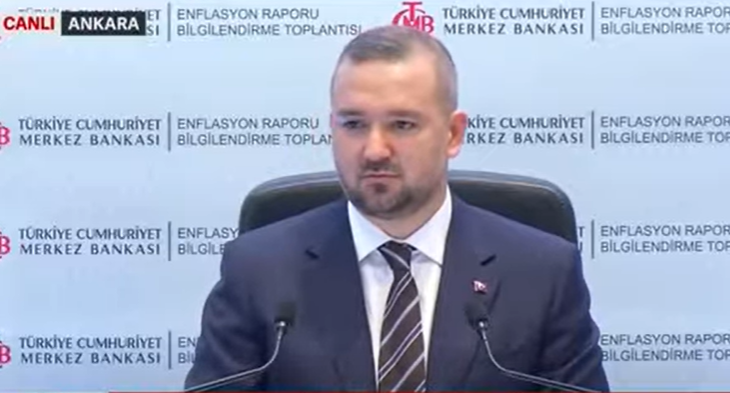
Geopolitics and Trade Wars Could Become Turkey’s Strategic Advantage, says Former CBRT Chief Economist Hakan Kara
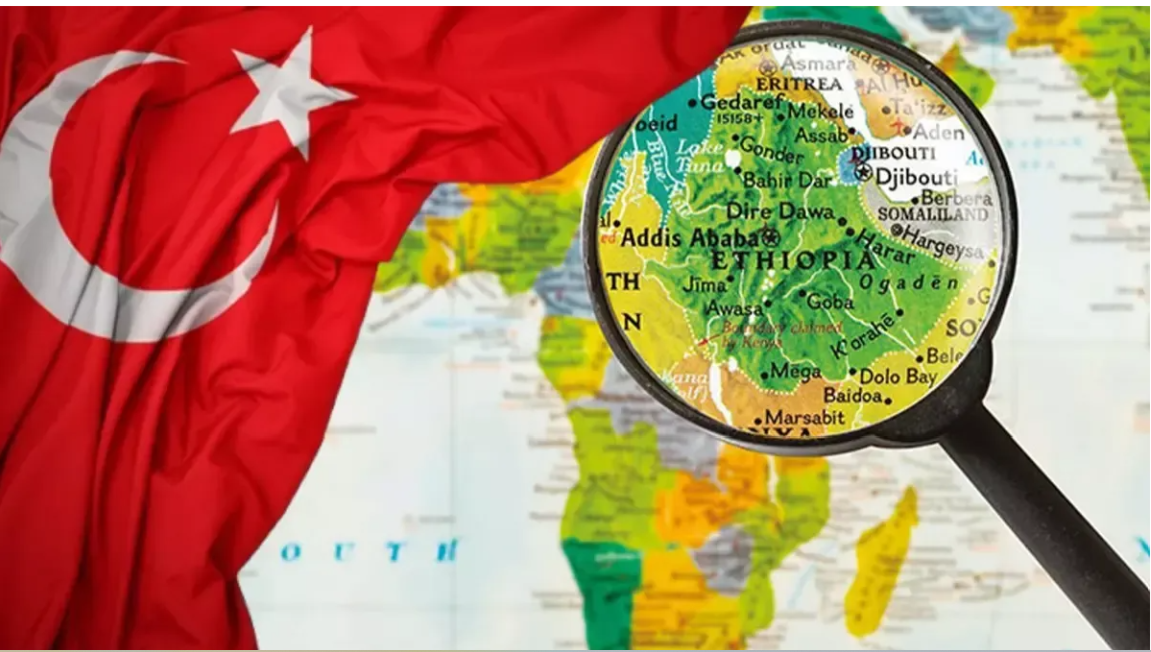 tr jeo politik
Summary:
Former Central Bank of Turkey Chief Economist Prof. Hakan Kara argues that rising global geopolitical tensions and trade wars pose risks for world markets — but could also open a unique window of opportunity for Türkiye. As global blocs harden and supply chains shift, he believes Türkiye’s ability to cooperate with both East and West positions it as one of the countries best placed to navigate the chaos.
“Türkiye is one of the countries best suited to manage global chaos”
Speaking on global macro developments, Kara noted that the world is entering a period of heightened uncertainty marked by trade fragmentation and geopolitical competition.
“Türkiye can turn this turbulent period into an advantage. We are one of the countries best able to cope with global chaos. Our ability to work with both the West and the East brings us forward,” he said.
Kara highlighted two short-term macro tailwinds for Türkiye:
-
Lower energy prices
-
Rising global gold prices
Both factors, he argued, ease external financing pressures and support macro stability.
Hakan Kara

China’s export pivot intensifies global competition
Kara warned that China’s export slowdown to the U.S. has pushed Beijing to aggressively seek alternative markets.
This has tightened competition across sectors, posing challenges for manufacturing-heavy emerging economies. Despite this, he believes Türkiye’s flexible market access and diversified trade relations can help mitigate downside risks.
High global debt levels — but Türkiye less exposed than peers
Companies worldwide accumulated large debts during the low-rate era. With global interest rates now sharply higher, Kara said these debt loads have become a systemic vulnerability.
Türkiye, however, may hold a relative advantage, as previous high-inflation periods forced companies to manage risk more cautiously compared to developed-market peers.
Inflation and policy constraints remain the country’s main macro challenge
Kara warned that Turkish firms expect high inflation going into next year — which keeps pricing behavior sticky and slows disinflation.
“Very few companies expect inflation below 30% next year. If everyone plans for high inflation, inflation does not fall — this is a problem.”
He added that Türkiye’s policy mix remains heavily dependent on interest rates and FX management, limiting room for manoeuvre.
-
High borrowing costs keep corporate financing expensive
-
Real domestic costs continue to rise in dollar terms
-
External competitiveness is under pressure
“The Central Bank mainly has two tools — interest rates and the exchange rate. Relying solely on them increases financial stress on companies,” he said.
“A tighter fiscal policy in 2026 may be the key”
Kara argued that breaking the inflation inertia requires stronger fiscal discipline, not only monetary tightening.
“This policy deadlock can only be resolved with tighter fiscal policy in 2026,” he noted.
Takeaway:
Amid global fragmentation, Türkiye could leverage its geopolitical position and diversified trade links as the world splits into competing blocs — but high inflation expectations and policy constraints pose real hurdles. The opportunity is there, but only credible disinflation and fiscal tightening can unlock it.
PA Turkey informs with independent analysis and diverse commentary. Content may not represent editorial endorsement.
Follow REAL TURKEY on YouTube & @AtillaEng