



Gaza Reconstruction Cost Hits $70 Billion: UN, World Bank Detail Massive Funding Challenge
 gazze-yikinti
Following the tentative peace agreement, the international community is facing a daunting financial and logistical challenge to rebuild the Gaza Strip. The latest joint assessment by the United Nations (UN), the European Union (EU), and the World Bank now estimates the total cost of reconstruction at a staggering $70 billion.
Cost Escalation and Scale of Destruction
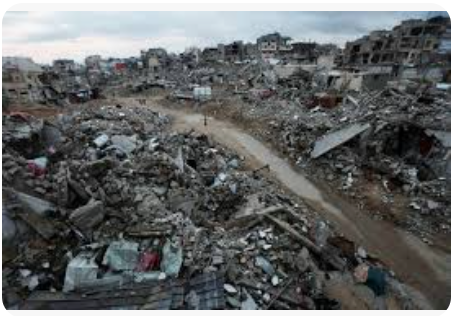
The $70 billion figure represents a significant jump from earlier estimates, underscoring the severity of the damage inflicted across the enclave over the last two years. According to UN officials, the war has damaged or destroyed an estimated 60% to 80% of all buildings.
- Total Rebuild Cost: The overall recovery and reconstruction process is projected to require at least $70 billion, a long-term effort that could take decades.
- Immediate Needs: The most critical early-stage recovery efforts over the next three years are estimated to require approximately $20 billion.
- Rubble Mountain: The conflict generated a colossal 55 million tons of rubble, a figure cited as equivalent to the volume of 13 Giza pyramids, highlighting the monumental task of simply clearing the ground before major construction can even begin.
Funding: Who Will Pay and How?
The immediate focus has shifted to mobilizing international financing, with officials from the UN Development Programme (UNDP) noting “promising early indications” of contributions from key global players. The funding structure will require a broad coalition of public, private, and multilateral support.
Key Funding Sources & Coordination Efforts:
- International Pledges: Both the United States and various European nations are expected to commit substantial funds. The United Kingdom, for example, is hosting an international summit to coordinate the recovery plan and has committed initial humanitarian aid.
- Arab States: Gulf countries and other Arab states are anticipated to be major financial pillars of the reconstruction efforts, emphasizing a regional and Palestinian-led approach.
- Multilateral Institutions: The World Bank, the EU, and the European Bank for Reconstruction and Development (EBRD) will provide technical expertise, aid coordination, and development financing to manage the scale of the rebuilding process.
- Private Sector Role: Efforts are underway to determine how best to leverage the private sector and investment firms to meet the enormous financial requirements beyond government and aid dollars.
Governance and Accountability
A major point of emphasis in the peace and reconstruction framework is governance. The plans stress that the recovery process must be Palestinian-led, but under a temporary transitional governance structure, often referred to as a “technocratic, apolitical” committee. This model, supported by international oversight, is intended to ensure transparency, accountability, and prevent the misuse of reconstruction funds.
Initial spending priorities are strictly focused on reversing the humanitarian crisis: providing temporary shelter, restoring water and sanitation systems, and delivering emergency food and health services to the hundreds of thousands displaced. The coming months will test the global community’s ability to transition from brokering peace to funding and executing what may be one of the largest post-conflict rebuilds in recent history.