



From Rakı to Whisky: Ipsos Study Reveals Turkey’s Shift in Drinking Habits
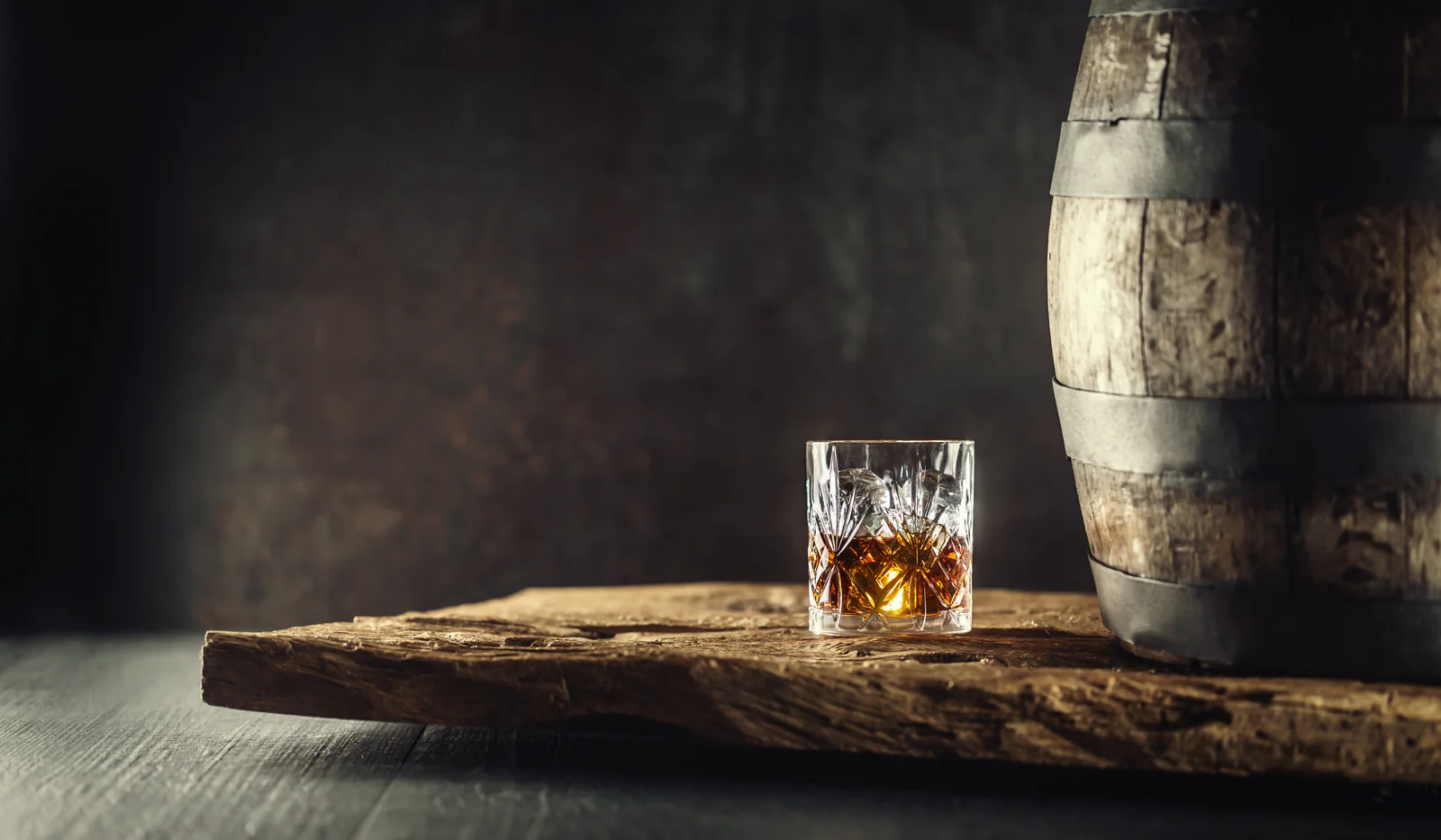 Whisky
Last week, I came across one of the most striking studies I’ve seen in a long time—an Ipsos survey that deserves serious attention. When a company of Ipsos’ global reputation publishes numbers like these, you don’t brush them aside. Conducted this June, the survey signals what may be one of the most radical social shifts in modern Turkish history.
Half of Turkish Adults Have Tried Alcohol
The survey asked a simple question to citizens over 18:
“Have you ever consumed alcohol in your life?”
The result shocked even long-time observers of social trends:
52.6% answered yes.
That means one out of every two Turkish adults has consumed alcohol at least once in their lifetime. Five years ago, that number was just 40%. In other words, in just half a decade, the share of people who say they’ve drunk alcohol at least once has jumped by 10 percentage points—an increase of about 8 million people.
Today, that translates to 27.5 million Turkish citizens who say they’ve consumed alcohol at some point, up from 19.7 million five years ago.
More Turks Drinking, and More Often
Now, one might think: “Sure, maybe they tried a sip once and never again.” But Ipsos went further. It asked another key question:
“Have you consumed alcohol in the last three months?”
The number of people who answered “yes” rose by 700,000 since the last survey. And when you look at those who drink regularly, the trend is even clearer:
-
In 2019, 28% of adults were regular drinkers.
-
In 2024, that figure rose to 33%.
-
That’s an increase from 13.8 million to 17.3 million people—3.5 million new regular drinkers in just five years.
What Are Turks Drinking?
Curious about what’s driving this cultural shift, I reached out to Bahar Uçanlar, the General Manager of Diageo Turkey—the world’s largest spirits company, with annual revenues exceeding $20 billion.
She provided not only insights into consumption patterns but also some inspiring news about Turkish professionals, especially women, climbing the ranks within Diageo’s global network.
Today, Turkish executives hold top positions in Europe, the UK, and even Brazil. Meltem Azbazdar now leads European Legal Affairs, Birsen Çevik Akgünlü oversees HR in the UK, and Duygu Beypınar manages operations at Scotland’s historic Cameronbridge Distillery.
Back home, Bahar Uçanlar leads Diageo Turkey, while Serkan Solmazer heads Diageo Poland—proof that Turkish talent is leaving a mark on one of the most globalized industries in the world.
Whisky Rising: The End of the Rakı Reign?
Let’s talk about consumption numbers. According to Uçanlar, the data paints a dramatic picture:
| Year | Whisky (Liters) | Rakı (Liters) |
|---|---|---|
| 2020 | 13.6M | 30.3M |
| 2021 | 19.9M | 37.4M |
| 2022 | 22.7M | 38.5M |
| 2023 | 28.6M | 41.8M |
| 2024 | 34.7M | 39.8M |
Whisky consumption in Turkey has soared by 155% since 2020, while rakı grew just 31%. The numbers are telling: while rakı remains the “national drink,” whisky is fast catching up. The symbolic divide between “luxury” and “tradition” is blurring—what was once seen as elite is now part of the average Turk’s glass.
Beer, Wine, and the Rest
Beer remains by far the most consumed alcoholic beverage, climbing from 900 million to 1.2 billion liters annually. But when it comes to wine, Turks still rank among the lowest consumers in Europe—only 73 million liters a year, including sparkling varieties.
Vodka consumption is around 18 million liters, with a notable milestone: Diageo Turkey now produces Smirnoff, the world’s top-selling vodka brand, locally—thanks to expertise inherited from Turkey’s TEKEL-era distillation tradition.
As for trends, gin and tequila are rapidly gaining popularity—especially among women. Annual consumption has reached 8 million liters for gin and 2.5 million for tequila.
A Booming Market—and Tax Revenue
The government, too, benefits from this trend. In 2024, Turkey collected ₺104.9 billion in special consumption tax (ÖTV) from alcoholic beverages. That figure is expected to hit ₺170 billion in 2025, accounting for 1.44% of total tax revenue.
A Social Turning Point
So, how do we interpret this shift?
When Turks were asked which countries they want their nation to resemble, 70% answered “Western countries.” Only 6% said they preferred a Muslim-majority model.
The change in drinking habits isn’t merely about alcohol—it’s about identity, modernity, and lifestyle.
Freedom Over Force
Let me be clear: I don’t believe the state should ever encourage alcohol consumption. On the contrary, it should combat alcoholism—but not through bans, pressure, or moral policing.
You can’t legislate lifestyle change. You can’t stop people from drinking through fear or prohibition. The only sustainable approach is freedom, education, justice, and empathy.
That’s the real moral of Ipsos’ groundbreaking survey: not the rise in whisky sales, but the rise in self-determination.