Ferrero Faces Scrutiny in Turkey as Competition Authority Review Commitments
 nutella
Turkey’s Competition Authority is preparing to review a key request from Ferrero, the global confectionery giant, regarding its long-standing obligations in the Turkish hazelnut market—a sector where the company holds a dominant position. The hearing is scheduled for Thursday, November 7, when the board will consider Ferrero’s demand to revise its previous commitments concerning the amount of hazelnuts it is required to purchase annually.
According to a report by Bloomberg, the company has requested to modify its pledge involving “a specific quantity of hazelnut purchases.” This comes as Ferrero continues to restructure its operations in Turkey, where it plays a pivotal role in the supply chain for one of the country’s most strategic export commodities.
Ferrero’s Market Share Exceeds 30%
Ferrero has been a major actor in Turkey’s hazelnut sector for years—both as a direct buyer and through its influence over export networks. Operating procurement centers in Ordu, Giresun, and Düzce, the Italian confectioner controls nearly one-third of Turkey’s annual hazelnut exports.
Industry sources estimate that Ferrero purchased around 180,000 tons of hazelnuts during the 2023 harvest season. However, its buying volume reportedly declined over the last two years due to global price volatility and changing market dynamics.
In previous investigations, the Competition Authority had examined Ferrero’s purchasing practices over concerns that the company’s market dominance allowed it to influence domestic prices and pressure local producers. Following that inquiry, Ferrero agreed to several commitments aimed at stabilizing the market and promoting fair competition.
Küle: “Fines Possible If Ferrero Fails to Meet Obligations”
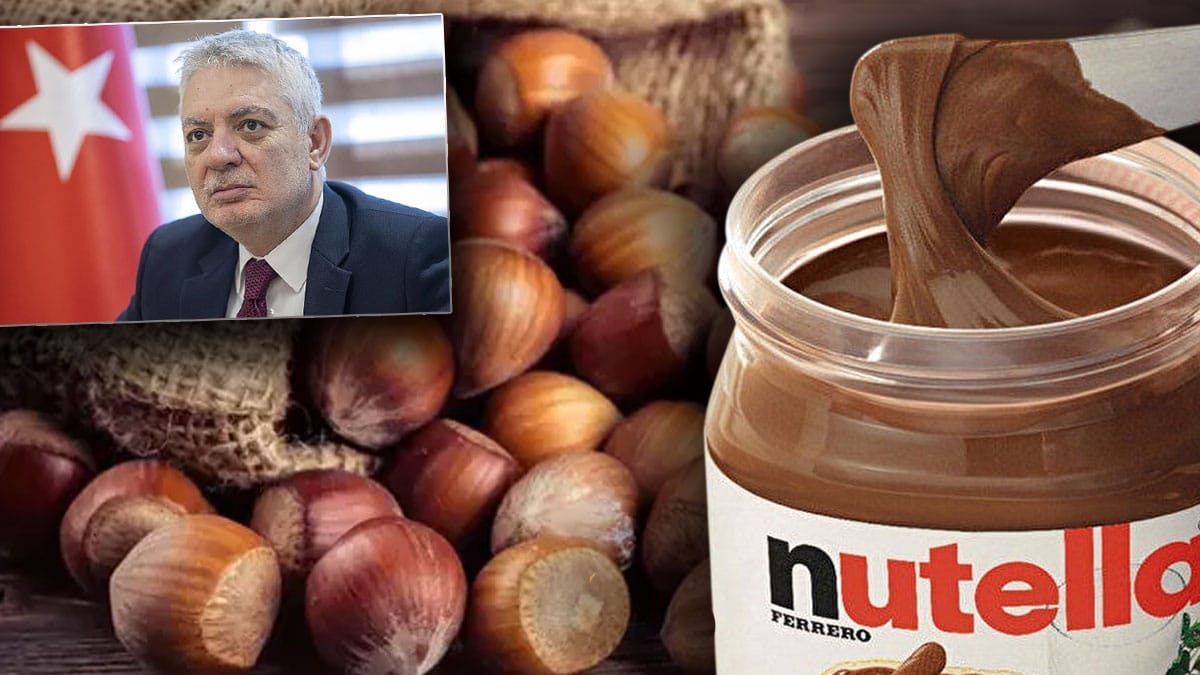
Competition Authority Chairman Birol Küle told Bloomberg that Ferrero remains bound by those commitments. “Ferrero has an obligation to purchase a certain quantity of hazelnuts under its earlier commitments. If these obligations are not met, an administrative fine based on the company’s previous year’s turnover could be imposed,” Küle stated.
His comments arrive as Ferrero undergoes organizational restructuring in Turkey. Over the past two years, the company has reorganized its Trabzon procurement office and scaled back its purchasing activities in several regions, prompting renewed scrutiny from both regulators and the agricultural community.
Producers Complain of Price Pressure, Industry Warns of Supply Risks
Turkish hazelnut growers have long criticized Ferrero for allegedly disrupting the free-market balance through its purchasing strategies. Farmer associations claim that in the 2023 season, the company’s buying prices fell below those set by the Turkish Grain Board (TMO), undermining domestic market stability and reducing farmgate income.
“Producers face unfair pricing pressure,” one agricultural cooperative leader said, arguing that the dominance of a single buyer distorts local price formation.
However, industry manufacturers—particularly in the chocolate and confectionery sectors—defend Ferrero’s presence, citing the company’s long-term investment in supply chain quality. They warn that a reduction or withdrawal of Ferrero’s activity could lead to supply shortages and disruptions in export reliability, given the company’s role in maintaining consistent quality standards for international markets.
Strategic Commodity, Global Impact
Turkey remains the world’s largest producer and exporter of hazelnuts, supplying roughly 70% of global demand. Annual production typically ranges between 700,000 and 800,000 tons, with exports playing a vital role in Turkey’s foreign currency inflows.
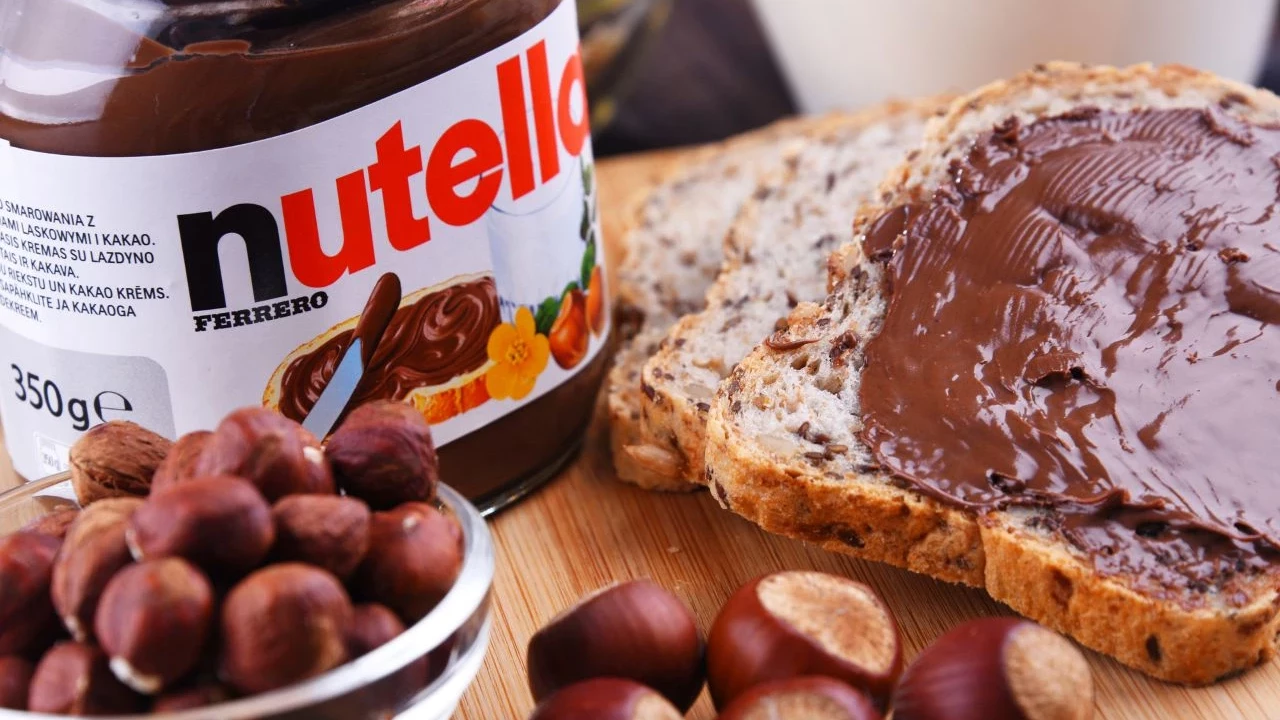
Ferrero’s share in this ecosystem is critical: hazelnuts sourced from Turkey are used in the company’s global brands such as Nutella, Kinder, and Ferrero Rocher. The Italian firm’s supply decisions therefore carry international implications, affecting not just Turkish farmers but also the global confectionery market.
The latest dispute comes at a time of shifting conditions in the hazelnut sector. Rising production costs, climate-related yield fluctuations, and currency-based export contracts have increased pressure on both producers and buyers. As Ferrero seeks to adjust its commitments, Turkish authorities aim to ensure market stability and fair competition, balancing the interests of farmers, processors, and exporters.
A Turning Point for Turkey’s Hazelnut Industry
The upcoming Competition Authority hearing could signal a strategic turning point for Turkey’s hazelnut exports, which represent a major component of the country’s agricultural trade portfolio.
Analysts suggest that if Ferrero’s request to revise its commitments is approved, it could reshape pricing structures and supply relations within the sector. Conversely, if the authority determines that Ferrero has failed to meet prior obligations, the company could face financial penalties and tighter regulatory oversight.
Either way, Thursday’s meeting will be closely watched by exporters, cooperatives, and global buyers alike. The outcome will likely influence how Turkey positions itself within the global value chain of agricultural commodities in the coming years.