Fehim Tastekin: Barrack Disappointing for the SDF! Messages from Abdi to the US via Israel
 fehim tastekin
This is a Detailed Analysis of Fehim Taştekin’s Video
Fehim Taştekin’s video, “Barrack SDG için umut kırıcı! Abdi’den İsrail üzerinden ABD’ye mesajlar,” offers a deep geopolitical analysis of the shifting power dynamics in North-East Syria, focusing on the future of the Syrian Democratic Forces (SDF) and the changing strategic calculus of the United States.
The Impasse of SDF Integration
Taştekin begins by examining the critical situation surrounding the anticipated integration of the SDF into the new Syrian national army, a process supposedly governed by the unconfirmed 10 March agreement. According to the analysis, the deadline for integrating all civilian and military structures east of the Euphrates by the end of the year is likely to be missed due to a profound political impasse.
SDF Commander Mazlum Abdi has asserted that an understanding was reached for the SDF to become three divisions and two special brigades within the national army. However, Damascus has provided no concrete confirmation or denial of this alleged agreement, leaving the process stalled.
Taştekin attributes this deadlock to two major factors. Firstly, he notes that international diplomacy is increasingly working in favor of the Damascus-aligned Jaulani administration (Hayat Tahrir al-Sham – HTS) and to the detriment of the SDF. Secondly, he suggests that Washington’s recent diplomatic openings toward Jaulani provide Damascus with the leverage to stall, anticipating a full resolution without having to grant the SDF any significant autonomy. The analysis also points to the persistent uncertainty surrounding the Turkish-led İmralı process as an underlying condition that destabilizes the political security the SDF had hoped to gain from Washington.
The US Strategic Pivot to Jaulani
The core of the SDF’s dilemma, as Taştekin explains, is the fundamental strategic pivot by the Trump administration away from the SDF and toward the Jaulani administration, with the ultimate goal of pulling Syria into the American sphere of influence. This shift is systematically undermining the SDF’s standing. Taştekin highlights specific actions that demonstrate this pivot: the suspension of US sanctions on Jaulani, his public appearances at the UN, his removal from the terrorist watch lists, and his reception by the White House. These steps have not only legitimized HTS but also altered the American equation, reducing the SDF’s value as the sole partner against ISIS. Taştekin asserts that the ultimate US objective is to broker a Syria-Israel Security and Normalization Agreement. If Jaulani can deliver this, his dark past and human rights abuses will likely be overlooked, securing his position within the US camp.
Barrack’s Anti-Federalism Stance as a Barometer
Taştekin presents US Special Representative for Syria, Thomas Barrack, as a key indicator of Washington’s current, discouraging position. Barrack has consistently advocated the principle of “one government, one army, one flag.” Although he briefly seemed to advocate for a decentralized solution in the wake of the Suwayda massacres, Barrack has since returned to his original thesis.
Speaking in Abu Dhabi and Doha, Barrack unequivocally stated that models of decentralized governance “have never brought success in this geography, they have only created chaos,” citing examples like Iraq, Lebanon, Libya, and the Balkans. When confronted about the established federal structure in Iraqi Kurdistan, Barrack avoided a direct answer, stating that it is the view of the US that all such decisions should be left to the region, effectively dismissing the concept of federalism as an illusion. Taştekin concludes that since Barrack’s repeated statements have never been officially corrected by the White House, they must be taken as a reflection of the administration’s official position.
Abdi’s Strategic Appeal via Israel
Following Barrack’s demoralizing comments, Mazlum Abdi executed a calculated diplomatic maneuver by delivering a response to the Israeli newspaper The Jerusalem Post. Taştekin interprets this as a deliberate attempt to appeal to US decision-makers via the pro-Israel lobby, a channel that Kurdish actors have long sought to leverage for influence in Congress. Taştekin explains that Abdi’s move is set against the backdrop of an administrative contradiction: while the US diplomatic wing is wary of Turkey’s reactions, the military command (CENTCOM) remains deeply loyal to its partner, the SDF.
Abdi’s key messages included:
-
The Persistence of ISIS: He argued that the SDF’s mission is not over and that while CENTCOM is supportive, the US Army needs “more political support in Congress.”
-
A Call for Inclusion: Abdi urged the Trump administration to support the SDF by including it in the global coalition and the new Syrian government.
-
Demand for Decentralization: He explicitly requested US assistance in decentralizing power in Syria.
-
The Need for US Presence: Abdi stressed that regional stability requires the US military to remain in North-East Syria, asserting that this presence acts as a crucial guarantee against military threats from Damascus or HTS, and prevents hostile mobilization of local Arab tribes.
Abdi also called for conditions to be imposed on the Jaulani administration regarding the Caesar Act sanctions, arguing that US support should not be unconditional. He sharply contrasted the SDF’s identity as a diverse, inclusive coalition with the sectarian history of HTS, warning that Jaulani’s unchecked rise endangers all groups, including the Kurds.
Turkey’s Cautious Shift
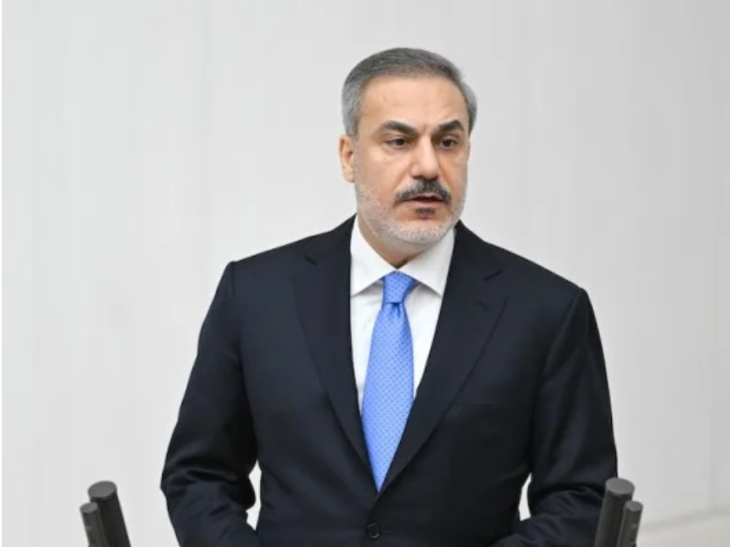
Finally, Taştekin addresses the influence of Turkey’s evolving stance and the opaque İmralı process. He notes that Ankara has moved from its maximalist demand for the SDF’s dissolution to a cautious acceptance of its integration, contingent on two firm red lines: the removal of foreign elements and the prohibition of military autonomy. Taştekin highlights the critical importance of Turkish Foreign Minister Hakan Fidan’s recent statement in Doha. While Fidan insisted on a single command, he also stated that “a different consensus and understanding can be reached on local governance,” which Taştekin interprets as a potential opening for granting the SDF administrative and cultural autonomy. However, the final resolution of the “foreign cadres” issue has been strategically pushed onto the İmralı process, and the fact that key details about Öcalan’s views on SDF integration are being withheld suggests that Ankara has not yet secured the necessary guarantees to fully relax its controlled softening. Taştekin concludes that the current environment is defined by intense diplomatic maneuvering, leaving the future volatile and highly unpredictable.