Expert Warns of Rising Climate Threats in Turkey
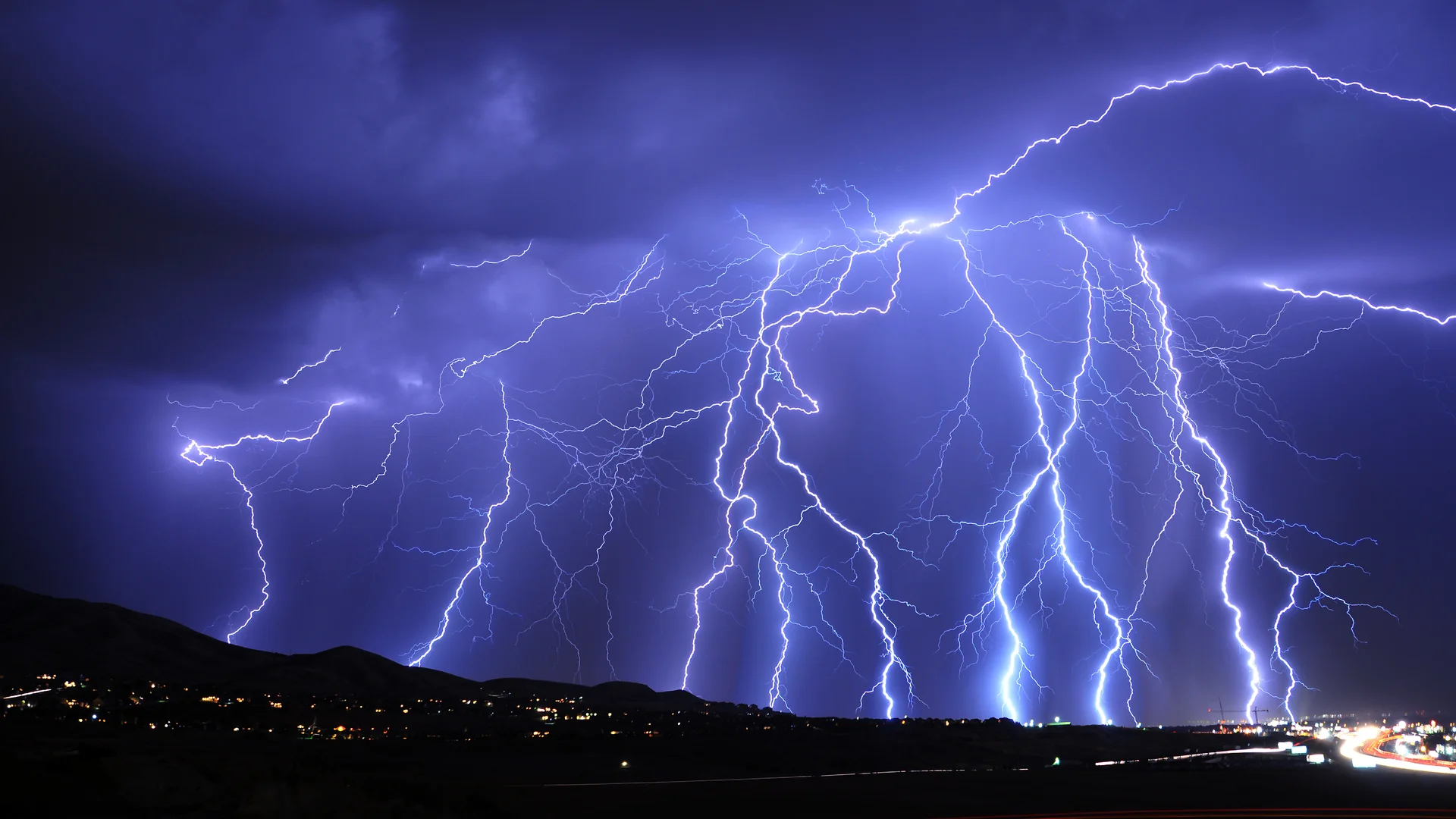 Storm
Storm
The impacts of climate change in Türkiye are accelerating faster than experts anticipated. Dr. İlker Eroğlu, a geography lecturer at Tekirdağ Namık Kemal University (NKÜ), warned that extreme weather events once seen once in a century are now occurring almost every year. He emphasized that this alarming shift particularly affects the Aegean and Marmara coasts, altering rainfall patterns and increasing the risk of floods and storms.
“Events that used to happen once in a hundred years are now happening nearly every year,” Dr. Eroğlu stated, highlighting the growing unpredictability of Türkiye’s climate system.
Changing Rainfall Patterns and Rising Flood Risk
Eroğlu identified shifts in rainfall distribution as one of the most visible outcomes of climate change. While some regions experience heavy rainfall in short bursts, others are witnessing extended dry spells, creating a dangerous imbalance in water resources and ecosystems.
“An increase in rainfall doesn’t mean it’s uniform across the country,” he explained. “In certain areas, rain now falls intensely in very short periods, causing floods that damage the natural environment.”
According to Eroğlu, the Aegean and Marmara regions are particularly vulnerable, with flash floods and sudden storms becoming more frequent and destructive.
Tropical Cyclones Could Reach Türkiye More Often
Dr. Eroğlu also warned that tropical-like cyclones, once rare in Türkiye, could become more frequent in the coming years. He urged authorities to closely monitor Mediterranean-based low-pressure systems, which are increasingly adopting tropical characteristics as sea temperatures rise.
He explained the mechanism behind these weather systems:
“These tropical-type storms form over the Mediterranean, where warm and cold air masses collide. The system begins rotating counterclockwise, driven by western winds, and moves toward Türkiye. When humid air masses over the Mediterranean condense, they bring intense thunderstorms and heavy rainfall to the Aegean and Marmara coasts.”
Cities Face Growing Climate Vulnerability
As urban sprawl intensifies, Türkiye’s cities are becoming hotspots of climate risk, where impermeable surfaces and poor drainage amplify flood damage. Eroğlu warned that urban planning must now incorporate climate resilience, stressing that early warning systems and real-time weather tracking will be critical to preventing future disasters.
He noted that Ege and Marmara provinces, which combine dense populations with coastal exposure, are at the front line of the country’s new climate reality.
Climate Change: From Distant Threat to Daily Reality
Türkiye’s recent climate events — from record-breaking rainfalls to devastating floods — confirm a troubling reality: the country’s climate is transforming faster than infrastructure can adapt. Experts agree that without urgent mitigation and adaptation efforts, the frequency and intensity of extreme weather will continue to rise, threatening lives, agriculture, and the economy.
Dr. Eroğlu’s findings serve as a reminder that climate change is no longer a distant concern — it’s a lived experience, reshaping Türkiye’s geography and daily life year after year.