



Europe Looks to Türkiye as Brussels Hosts Landmark Defence Industry Gathering
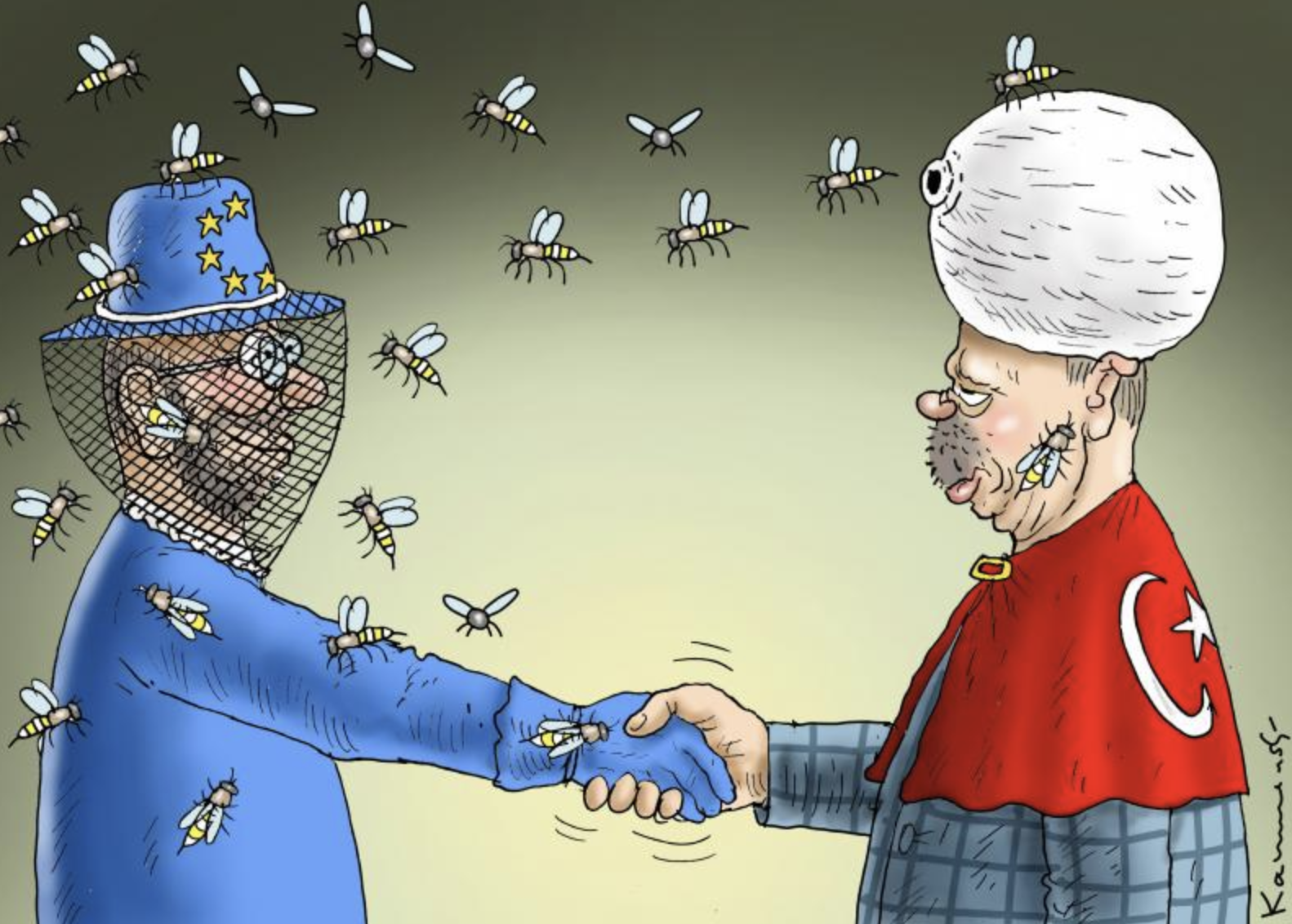 erdogan EU
Belgian Defence Minister Theo Francken was quick to emphasise the importance of the partnership, calling the forum “a great day” and highlighting that deeper cooperation between the two countries is not only logical but necessary. Speaking after attending a reception at the official residence of Türkiye’s Ambassador to Brussels, Barış Tantekin, Francken praised the scale and sophistication of Türkiye’s defence ecosystem. “Türkiye has a powerful defence, strong defence industry, big companies,” he said, contrasting Belgium’s smaller military footprint with Türkiye’s more substantial capabilities.
Francken noted that the two nations are well-positioned to complement each other, as both possess advanced technology infrastructure but operate under different strategic capacities. In his view, creating opportunities for firms from both sides to connect is critical for building resilient cooperation in the years ahead.
Europe Cannot Afford to Sideline Türkiye, Francken Warns
The Belgian minister delivered a clear message regarding Türkiye’s strategic weight within Europe’s defence landscape. When asked whether Europe could maintain its security architecture without Türkiye’s involvement, Francken was unequivocal: “Everybody who knows a bit about geopolitics knows that we need Türkiye because of the position they have in Europe, the strengths they show, the military capabilities that they have, that we don’t have.” His comments highlighted not only Türkiye’s geographic importance but also its growing edge in technology, innovation, and large-scale defence manufacturing capacity.
Francken went further, noting that Europe relies on Türkiye across multiple layers—from diplomacy to industrial partnerships: “We need Turkish people, we need Turkish industry, Turkish politics, Turkish diplomacy. I think that it’s crucial. I don’t believe in a scenario without Türkiye within our framework, so we need to work together.”
His remarks reflect a broader shift within European security circles, where Türkiye’s operational experience, drone expertise, and influence across NATO and regional theatres are increasingly viewed as indispensable.
Drone Technology Drives Strategic Collaboration
One of the most prominent areas of emerging cooperation is counter-drone security. Belgium has experienced rising concerns about drone misuse, and Francken acknowledged that Türkiye is one of the world’s most advanced actors in this field. “Türkiye is one of the countries that is the most progressive when we talk about innovative technology in drones,” he noted. He described Türkiye—as well as Ukraine—as a pioneering force that has transformed the global drone landscape.
The minister stressed that Belgium stands to benefit substantially from tapping into Türkiye’s know-how, particularly as hybrid threats and drone-related risks expand across Europe. “We really can learn a lot from your country,” he added, pointing to the potential shared advantages in national security and public safety.
Bilateral Ties Strengthening Ahead of Pivotal 2026
Francken also highlighted the strong state of Türkiye–Belgium relations, reminding that the two NATO members have frequently aligned in defence and diplomatic platforms. With intensified industry contacts and ongoing official visits—such as his own trip to Türkiye earlier this year—he believes the partnership is entering a high-growth phase.
“I think that it will be a very fruitful year, 2026 will be really highlighting our relationship,” he said, projecting momentum in defence, trade, and technology exchanges.
A significant milestone will occur in May 2026, when Princess Astrid of Belgium is set to lead a major economic and trade delegation to Türkiye for a week-long visit. This mission is expected to advance high-level commercial ties and expand strategic cooperation.
Another crucial event will follow in July 2026, when Ankara hosts the NATO Leaders’ Summit. Francken confirmed that numerous Belgian defence companies will be present, using the summit as a platform for potential agreements in innovation, technology, and security collaboration. He expressed hope that these engagements will help both countries strengthen the protection of their citizens and shared democratic values.