EU Targets Russia’s Energy Lifeline — Turkey May Face Collateral Economic Damage
 eu-russia
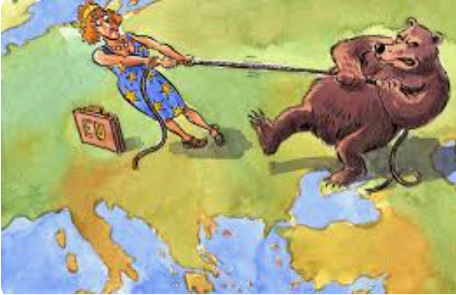
The European Union has unveiled its toughest sanctions package yet targeting Russia’s energy trade, expanding its scope to include companies outside Europe that help Moscow circumvent earlier restrictions. Turkey, while not directly sanctioned, could be significantly affected due to its role as a key intermediary in Russian oil and gas flows.
Brussels Goes After “Third-Country” Players in Russia’s Oil Trade
European Commission President Ursula von der Leyen announced on Friday that the EU’s latest sanctions package includes companies from “third countries” — those outside the EU — that have continued to trade in Russian oil.
“We are now going after those who fuel Russia’s war by purchasing oil in breach of the sanctions,” von der Leyen said. “We target refineries, oil traders, petrochemical companies in third countries, including China.”
According to sources familiar with the plan, about a dozen Chinese firms and several Indian ones are already in the EU’s crosshairs. India’s Nayara Energy, which operates one of the country’s largest refineries, has already been sanctioned — marking a new phase in the EU’s willingness to penalize trade partners beyond Europe.
Trump’s Pressure Pushes Brussels to Act
This pivot by Brussels follows direct pressure from U.S. President Donald Trump, who earlier this month urged European leaders to impose secondary sanctions on foreign buyers of Russian oil. With von der Leyen’s latest announcement, it appears the EU is now aligning more closely with Washington’s hardline stance.
One of the key shifts: the EU is no longer shielding Asian trade relationships that help Russia bypass sanctions. The message is clear — helping Russia financially means facing European penalties.
Shadow Fleet and LNG Under Fire
The EU’s new measures also crack down on the so-called “shadow fleet” — a network of tankers that covertly transport Russian oil. The bloc added 118 vessels to its blacklist, bringing the total to over 560. The goal is to stop Russian crude from reaching global markets undetected.
Additionally, the EU will fast-track its ban on Russian liquefied natural gas (LNG). Originally scheduled for 2028, the embargo will now take effect in January 2027 — a full year earlier.
Rosneft and Gazprom Neft, two of Russia’s major state-run energy companies, are also now completely prohibited from doing business with EU entities.
A Direct Hit to Turkey’s Energy Trade Model
While Turkey is not an EU member and thus not directly subject to the sanctions, the impact on its energy trade is likely to be significant.
1. Crackdown on Refined Products from Russian Oil
A key pillar of the new sanctions targets the “refinery loophole.” Previously, EU countries were able to buy refined oil products originating from Russian crude, routed through countries like Turkey and India.
Starting January 21, 2026, importers must prove their refined oil was not made from Russian crude. This could upend Turkey’s thriving business of importing discounted Russian oil, refining it, and re-exporting it — especially to the EU and G7 nations.
According to CREA (Centre for Research on Energy and Clean Air), Turkish refineries played a significant role in moving Russian oil to G7 markets in 2024, generating substantial tax revenue for Moscow. The new EU rules aim to shut down this indirect revenue stream.
2. Lower Price Cap on Russian Crude
The EU has also reduced the price cap on Russian crude from $60 to $47.60 per barrel, effective September 3, 2025. Though Turkey is not obliged to follow the cap, this move could influence global prices and potentially shrink Ankara’s discount margin.
Turkey has been buying Russia’s Urals blend at significant discounts — often $5–20 per barrel lower than market rates. Whether that practice can continue now depends on Russia’s willingness to offer steep discounts and Turkey’s ability to bypass G7-dominated shipping and insurance mechanisms.
3. Turkey’s Transit Role at Risk
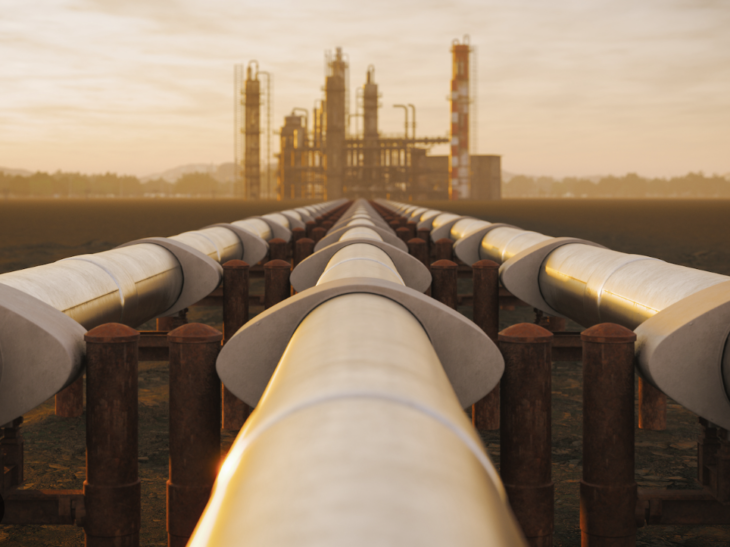
Turkey currently serves as a major energy transit hub for Russian gas via the TurkStream and Blue Stream pipelines. While the EU hasn’t banned Russian gas imports, future diversification efforts could erode Ankara’s strategic importance as an energy gateway to Europe.
If the EU follows through on further cutting Russian gas dependency, Turkey’s long-term position as a critical conduit for Moscow’s exports may weaken.
EU Admits Market Impact, Says It’s Worth It
Despite acknowledging that the new sanctions may disrupt global oil and gas markets, the EU considers the trade-off manageable. Officials believe that Russia’s relatively modest share of global trade — around 2.9% of global GDP, or $2 trillion — poses a contained risk to supply chains.
According to WTO and OECD data, Russia is the least integrated country in global manufacturing supply chains. Its exports rely less on imported components (under 10%, compared to 30% in Germany), making it more isolated economically. This insulation is one reason why Western policymakers feel confident in tightening sanctions without causing global upheaval.
Outlook: Turkey Must Reassess Its Position
The EU’s latest measures are not aimed at punishing Turkey directly, but Ankara could become collateral damage in the effort to financially isolate Russia. As European authorities plug legal and logistical loopholes, Turkey’s refinery model, cheap oil access, and strategic transit status all face increasing scrutiny and pressure.
With additional secondary sanctions or shipping restrictions potentially on the horizon, Turkey may have to restructure its role in Eurasian energy markets to avoid being caught in the crossfire of the West’s economic war on the Kremlin.
IMPORTANT DISCLOSURE: PA Turkey intends to inform Turkey watchers with diverse views and opinions. Articles in our website may not necessarily represent the view of our editorial board or count as endorsement.
Follow our English language YouTube videos @ REAL TURKEY: https://www.youtube.com/channel/UCKpFJB4GFiNkhmpVZQ_d9Rg
And content at Twitter: @AtillaEng
Facebook: Real Turkey Channel: https://www.facebook.com/realturkeychannel/
Related articles
VoA: Top EU Officials Head to Turkey for a Reset
Russia Strikes Ukrainian Ports, Damages Three Turkish-Owned Vessels as Black Sea Risks Escalate
Russia Accuses Ukraine of Attacks on TurkStream Pipeline, Shares ‘Evidence’ with Turkey