Erdoğan Expands Work and Business Rights for Turkic States Citizens
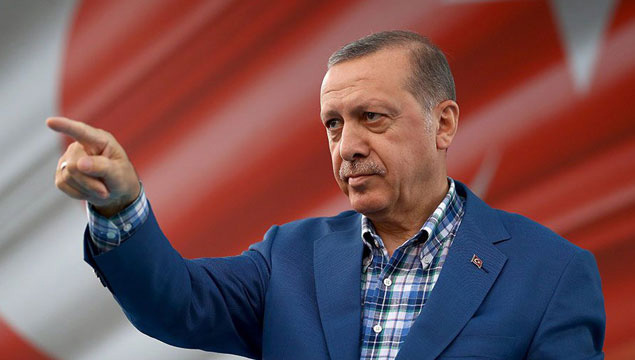 erdoğan
A new presidential decree signed by President Recep Tayyip Erdoğan has officially entered into force, granting citizens of Azerbaijan, Kazakhstan, Kyrgyzstan, Turkmenistan, and Uzbekistan the right to work and establish businesses in Türkiye without obtaining a work permit or citizenship. The reform marks a significant step toward deeper economic and social integration among Turkic States, aligning with Türkiye’s broader strategy of strengthening the Organization of Turkic States (OTS).
Equal Conditions in Employment and Entrepreneurship
According to T24, under the new regulation, citizens of the five member countries may be employed or engage in commercial activities in Türkiye without the need for prior authorization, except in military and intelligence-related sectors. They will also have the right to register with professional chambers under the same conditions as Turkish citizens. However, these individuals will not hold voting rights in chamber elections, ensuring that representation remains within Turkish citizenship boundaries.
The decision effectively removes one of the key bureaucratic barriers for professionals and entrepreneurs from Turkic nations who wish to work, invest, or open businesses in Türkiye. Analysts say this could boost regional labor mobility, encourage cross-border partnerships, and attract skilled workers and investors from Central Asia into Türkiye’s growing industries.
A Post-Summit Move Toward Economic Integration
The timing of the decree follows the 12th Summit of the Organization of Turkic States, held in Gabala, Azerbaijan, where leaders emphasized economic cooperation, labor market integration, and shared development goals. The agreement symbolizes Türkiye’s intention to turn cultural and linguistic solidarity into practical economic collaboration.
By enabling freer movement of labor and capital, the regulation reflects a “Turkic economic corridor” approach — complementing existing projects in energy, logistics, and digital connectivity. Economists view this as part of Türkiye’s strategy to position itself as the central economic hub of the Turkic world, linking Central Asia’s resources and markets with Europe and the Mediterranean.
Strategic and Economic Implications
Experts suggest that the new arrangement could benefit both sides: Türkiye gains a new pool of skilled and semi-skilled workers, while Turkic citizens gain access to Türkiye’s robust private sector and startup ecosystem. The opportunity to operate without work permits could also stimulate entrepreneurship in border regions and export-oriented industries.
However, analysts also warn that labor market dynamics will need careful regulation to avoid wage imbalances or informal employment, especially in sectors already under economic strain.
Strengthening the Turkic Union Vision
The move is seen as another concrete step in advancing the “Turkic Unity” (Türk Dünyası Birliği) vision — transforming political cooperation into real economic interdependence. It follows earlier initiatives on visa liberalization, educational exchange programs, and joint investment funds established under the Organization of Turkic States.
Observers note that the decree could pave the way for future free movement agreements or even mutual recognition of professional qualifications among member states.
Türkiye’s Expanding Role in the Turkic World
With this decree, Türkiye further cements its leadership role in the Turkic bloc, not only as a cultural and political partner but also as a gateway for employment and entrepreneurship. The measure reinforces Erdoğan’s stated goal of building a “common Turkic economic space” and promoting Ankara as the primary hub of regional economic growth.