Ece Üner Cleared of Charges in High-Profile Trial on Judiciary Criticism
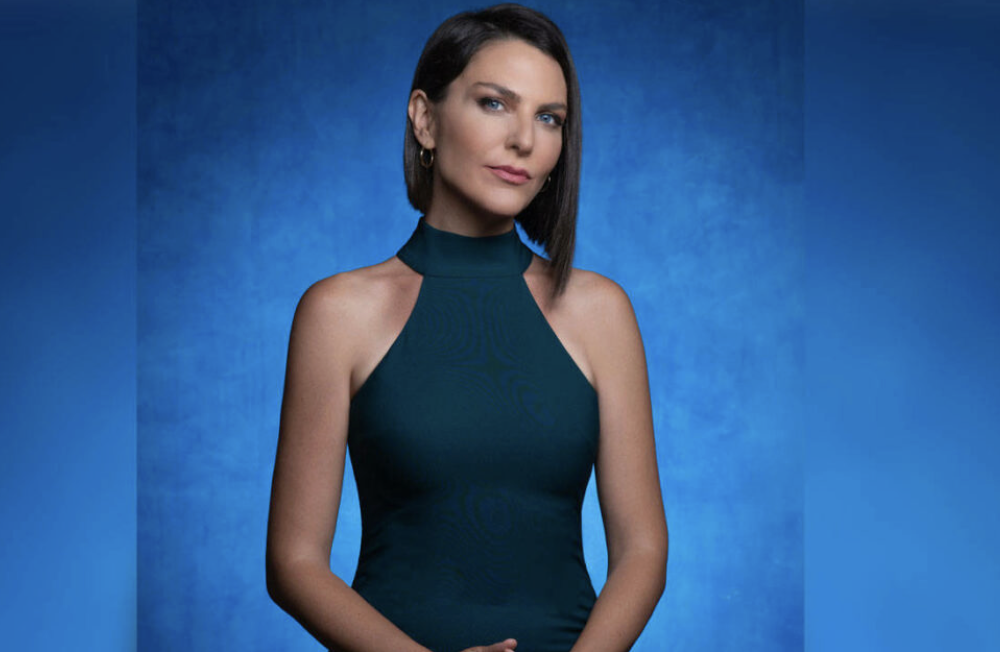 Ece Üner
Renowned journalist and Halk TV main news anchor Ece Üner has been acquitted of charges that could have landed her in prison for up to two years. Üner stood trial in Istanbul after prosecutors accused her of “publicly insulting judicial bodies” and “attempting to influence a fair trial.”
The case drew national attention, not only because of Üner’s high-profile role in Turkish media but also because it touched on the delicate balance between press freedom and judicial authority in Turkey.
How the Case Began
The controversy originated from Üner’s response to a post on social platform X. Journalist İsmail Saymaz had reported that his passport was confiscated and that a travel ban had been imposed on him. In reaction, Üner posted: “FETÖ remnants and operation kids conducting smear campaigns have become unbearable.”
This remark triggered an ex officio investigation by the Istanbul Chief Public Prosecutor’s Office. Authorities argued that the statement undermined the reputation of the judiciary and could potentially sway legal proceedings.
Üner was briefly detained, then released under judicial control with a travel ban imposed against her. Prosecutors subsequently filed a formal indictment seeking up to two years in prison.
First Court Hearing: Restrictions Lifted
The first hearing of the trial was held on June 13, 2025, at Istanbul’s 19th Criminal Court of First Instance. At that stage, the court decided to lift Üner’s travel restrictions, though the trial continued.
The indictment alleged that Üner’s words crossed the line from journalistic expression into an attack on the impartiality of judicial institutions. Defense lawyers countered by arguing that her statements fell within the scope of freedom of expression and criticism, protected under both Turkish law and international conventions.
Second Hearing: Final Verdict
The second hearing, held on September 19, 2025, proved decisive. Both Üner and her lawyers were present. The prosecutor once again demanded punishment, repeating calls for a conviction. However, the defense requested a full acquittal, stressing that no crime had been committed.
When asked for her final statement, Üner addressed the court with a striking sentence: “Where there is justice, there is hope. I want to nurture my hope.”
Moments later, the presiding judge announced that Ece Üner had been acquitted of all charges.
Broader Context: Journalism, Expression, and the Courts
The acquittal comes against the backdrop of ongoing debates in Turkey about the boundaries of press freedom, judicial criticism, and political speech. Similar cases in recent years have raised concerns among press freedom organizations and legal scholars, who argue that journalists often face criminal prosecution for commentary that should be protected under free speech standards.
Üner’s acquittal may be viewed as a symbolic ruling in this wider debate. While the prosecutor had pushed for punishment, the court ultimately upheld that the journalist’s comments did not meet the legal threshold for criminal liability.
Reactions and Implications
Although formal reactions from political or judicial institutions were limited at the time of the ruling, media outlets and colleagues quickly shared the news. For Üner, the verdict not only lifts the immediate threat of imprisonment but also reinforces her role as a prominent voice in Turkish journalism.
Observers note that the case will likely remain a reference point in legal discussions about freedom of expression in Turkey. The judgment could also influence how prosecutors approach similar investigations in the future, potentially discouraging overly broad interpretations of laws governing judicial criticism.
A Journalist’s Message of Hope
Üner’s final courtroom words resonated beyond the trial: “Where there is justice, there is hope.” The phrase has already circulated widely on social media, with many interpreting it as both a personal reflection and a broader commentary on the current state of justice in the country.
The decision closes a chapter of legal uncertainty for the journalist but leaves open broader questions about the future of judicial independence, media freedom, and public trust in democratic institutions.