Detention Numbers in Turkey Break Record
 Prison
Turkey’s prison population has hit a historic milestone, with the number of pretrial detainees surpassing 57,500 as of August 1, 2025, according to new figures from the General Directorate of Prisons and Detention Houses. The sharp rise has intensified debates over the politicization of the judiciary and allegations that detention is being used as a tool of punishment rather than a last-resort legal measure.
Detention Rates Reach Unprecedented Levels
The newly released statistics reveal a striking surge over the past two years. At the end of 2023, Turkey recorded 38,537 pretrial detainees. By December 2024, that figure had jumped to 55,240, marking an increase of 16,703 individuals in just one year.
This trend continued into 2025, culminating in the latest record of 57,503 detainees in early August. Legal experts warn that such figures not only strain the prison system but also reflect deeper structural issues in how justice is applied in politically sensitive cases.
Judiciary Under Spotlight: Politics and Punishment
Criticism of Turkey’s judiciary has long centered on concerns about political interference. Observers argue that the rising number of detentions is closely tied to government operations targeting opposition figures, including mayors, bureaucrats, and journalists.
A key concern highlighted by legal analysts is the delay in preparing indictments. In many cases, detainees remain in custody for months without formal charges. This practice, critics say, undermines the principle of presumption of innocence and effectively turns detention into a form of punishment before trial.
“The credibility of justice is eroded when individuals spend months in detention without even knowing the full charges against them,” one legal scholar noted in commentary circulated by local media.
Istanbul Metropolitan Municipality Operations as a Turning Point
According to reporting by BirGün journalist Mustafa Bildirici, the dramatic increase in detainee numbers is closely linked to the operations launched against Istanbul Metropolitan Municipality (İBB) on March 19, 2025.
The arrest of İBB Mayor Ekrem İmamoğlu marked the beginning of a series of sweeping actions. In the weeks that followed, İBB bureaucrats and several mayors from the Republican People’s Party (CHP) were also detained.
The impact was immediate: dozens of officials, including senior administrators, were sent to prison. Yet in many of these cases, indictments have not been finalized, further fueling accusations that detention has replaced due process as the state’s preferred mechanism for dealing with opposition figures.
Numbers That Tell a Larger Story
The official prison data makes the scale of the issue undeniable. In less than two years, Turkey witnessed a rise of nearly 19,000 pretrial detainees. Experts say this growth is not the result of ordinary crime patterns but rather of politically driven investigations.
The General Directorate’s statistics show that detention is no longer being used sparingly. Instead, it has become a systemic feature of Turkey’s judicial landscape, particularly in cases involving critics of the government.
Public Trust in Justice System Under Strain
The escalation of detentions has amplified concerns about public trust in the judiciary. For many citizens, the growing perception is that the courts are no longer independent but rather aligned with political directives.
Human rights advocates warn that this erosion of trust carries long-term risks. Without confidence in judicial impartiality, society begins to question not only the courts but also the broader framework of rule of law.
One legal analyst summarized the situation starkly:
“When detention is used as a political instrument, it ceases to serve justice and instead becomes a weapon. This damages the very foundation of democratic governance.”
A Broader Context: The Politicization of Detention
Turkey is not alone in facing debates about pretrial detention, but the scale and political nature of its recent surge stand out. In international legal standards, detention before trial is meant to be a measure of last resort—applied only when flight risk, risk of evidence tampering, or public safety are at stake.
The current figures, however, suggest that Turkey has moved far beyond these principles. Instead, detention appears to function as a strategic lever of control, particularly in moments of heightened political tension.
Transparency, Justice, and the Road Ahead
The record 57,503 pretrial detainees now held in Turkish prisons underscore a critical crossroads for the nation’s legal system. While official data confirms the scale of detentions, the lack of timely indictments and the targeting of opposition-linked figures fuel allegations of a judiciary under political influence.
As debates over judicial independence continue, the rising numbers raise an urgent question: Can Turkey restore faith in its justice system, or will detention remain an instrument of political punishment?
The answer, observers suggest, will shape not just the future of the judiciary but also the resilience of democratic institutions in Turkey.
Related articles

Turkish Prosecutors Open Investigation Into CHP Leader Ozgur Ozel Over Remarks About Court Panel
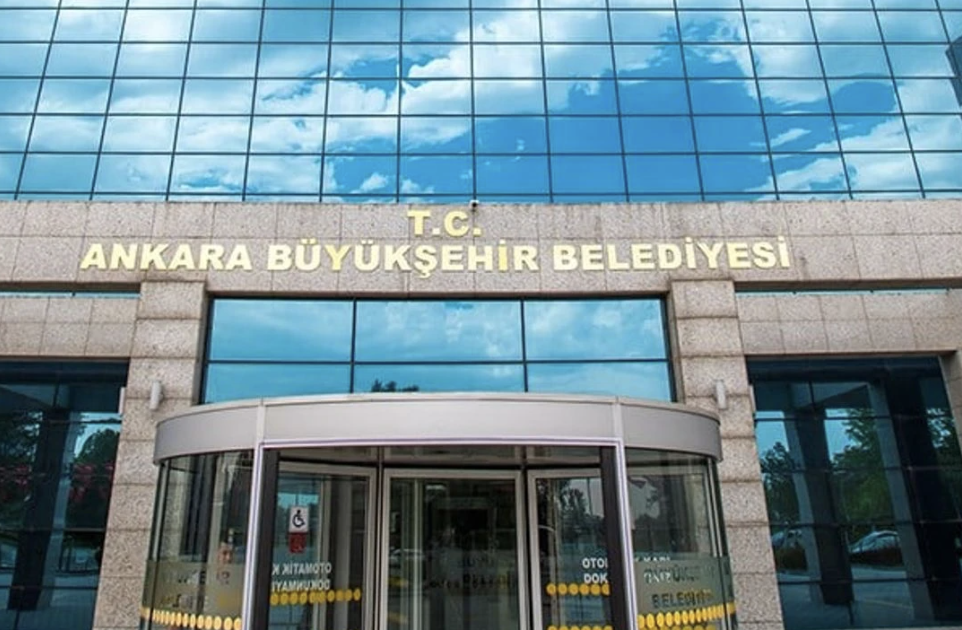
Breaking: Interior Ministry Authorizes Probe Into Ankara Municipality Over Concert Spending

MASAK Report Finds No Evidence of Money Laundering or Terrorism Against Ekrem İmamoğlu