Cyprus Pitches Step-by-Step Plan to Ease Tensions with Türkiye Through NATO and EU Track
 cyprus
Cyprus is seeking to leverage its upcoming presidency of the Council of the European Union to reduce long-standing tensions with Türkiye, linking progress on EU-Türkiye relations to steps toward Cyprus’s participation in NATO’s Partnership for Peace (PfP) program. President Nikos Christodoulides says the initiative would run in parallel with renewed efforts to revive stalled Cyprus peace talks, as fresh confidence-building measures show tentative momentum on the divided island.
A Phased Proposal Linking NATO and EU-Türkiye Relations
Cyprus plans to use its rotating EU Council presidency to advance a calibrated approach aimed at improving relations with Türkiye, President Nikos Christodoulides said in remarks to POLITICO. At the core of the proposal is Türkiye’s consent for Cyprus to join NATO’s Partnership for Peace program — widely viewed as a first step toward closer ties with the alliance.
In return, Cyprus would gradually remove obstacles to deeper EU-Türkiye cooperation, provided that progress is also made on restarting negotiations to resolve the Cyprus dispute under the existing United Nations framework.
“We can envision a step-by-step approach, with steps by Türkiye on Cyprus joining PfP and, in parallel, positive steps on EU-Türkiye relations,” Christodoulides said, adding that this would be closely tied to renewed talks on the Cyprus problem.
The Cypriot leader said he has already discussed the proposal with NATO Secretary-General Mark Rutte and German Chancellor Friedrich Merz.
Türkiye’s Veto and the Defense Cooperation Stalemate
Cyprus considers eventual NATO membership a “natural development,” Christodoulides said, but one that has been blocked by political realities. NATO members retain veto power over enlargement, and Türkiye has consistently opposed Cyprus’s participation.
In parallel, Cyprus and Greece have blocked Türkiye’s access to joint EU defense procurements under the €150 billion Security Action for Europe (SAFE) initiative, as well as Türkiye’s participation in the European Defence Agency (EDA). In response, Ankara has restricted NATO from sharing classified information with the EDA.
Christodoulides argued that Türkiye has “excluded itself” from SAFE by failing to meet the required conditions, stressing that EU defense cooperation “is not à la carte.”
Some diplomats in Brussels and at NATO have voiced concerns that Cyprus’s EU presidency could further inflame tensions at a sensitive moment, as the EU seeks to strengthen its defense posture and expand cooperation with Ankara.
Cyprus EU Presidency: Defense and Ukraine High on the Agenda
Cyprus will assume the rotating presidency of the Council of the EU in January, giving it control over ministerial agendas and a leading role in negotiations with the European Parliament.
Despite not being a NATO member, Cyprus intends to place defense, security and the war in Ukraine at the center of its presidency. One priority will be shaping the EU’s response to a Ukraine peace proposal being promoted by U.S. President Donald Trump.
Christodoulides described the initiative as “not perfect,” but said it was important that a concrete proposal exists. He added that Trump’s return to the White House sends a message to Europe that the United States “cannot be taken for granted,” underscoring the need for stronger intra-EU cooperation.
Tentative Momentum in Cyprus Peace Efforts
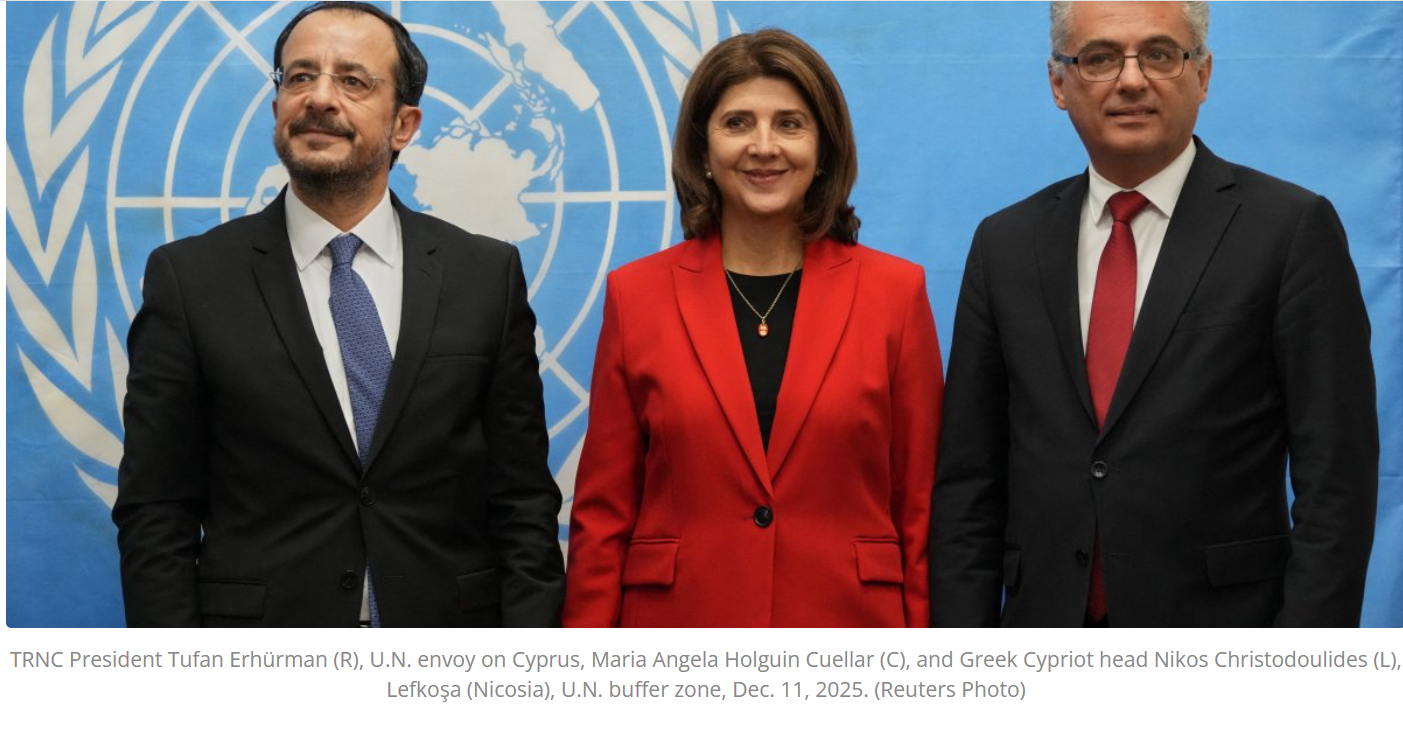
The diplomatic initiative comes as there are fresh, albeit cautious, signs of movement in Cyprus peace efforts. Greek Cypriot leader Christodoulides and newly elected Turkish Cypriot leader Tufan Erhürman met this week in the presence of U.N. envoy Maria Angela Holguin, marking their first face-to-face encounter.
The two sides agreed on several confidence-building measures, including facilitating Turkish Cypriot producers’ access to EU markets for halloumi/hellim cheese, improving traffic flow at crossing points along the U.N. buffer zone, and completing long-delayed water pipeline projects linking the north and south of the island.
The United Nations said the meeting followed a March summit in Geneva that produced the most meaningful progress in years. Both leaders have committed to further meetings ahead of a broader informal conference convened by U.N. Secretary-General António Guterres.
Limits of Confidence-Building and Core Disputes
While welcoming the renewed dialogue, U.N. officials cautioned that confidence-building measures are not a substitute for a comprehensive settlement. Erhürman said the steps agreed so far are only a starting point and stressed that recognition of Turkish Cypriot political equality is essential before full negotiations can resume.
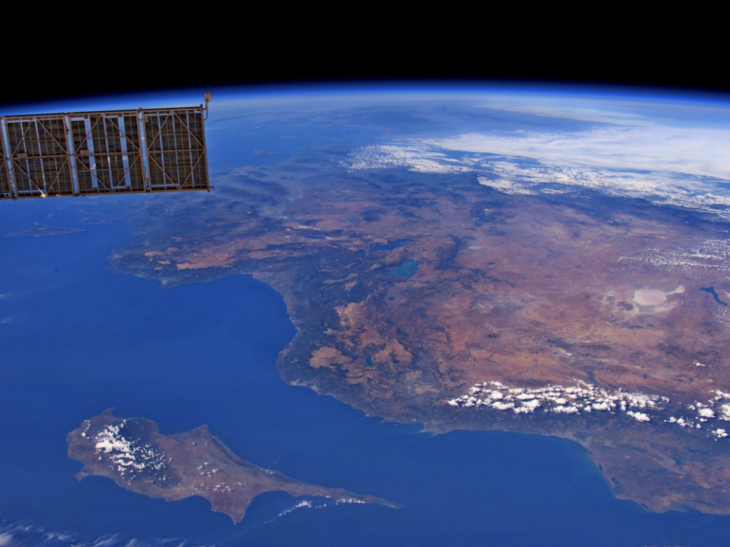
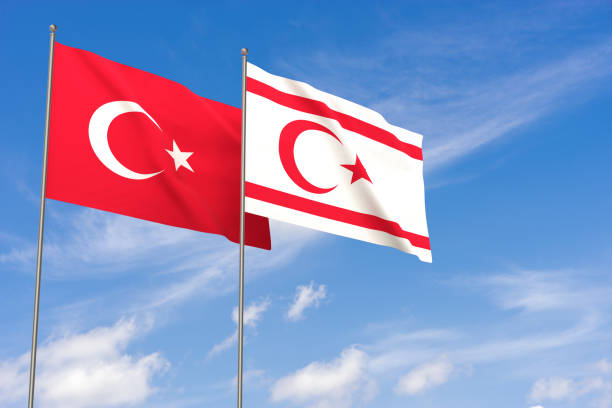
Cyprus has remained divided since 1974, following a Greek Cypriot coup aimed at union with Greece and Türkiye’s subsequent military intervention as a guarantor power. The Turkish Republic of Northern Cyprus (TRNC), established in 1983, is recognized only by Türkiye, while the internationally recognized Republic of Cyprus represents the island in the EU.
Decades of U.N.-backed negotiations have failed to reunify the island, with the last major talks collapsing in Crans-Montana in 2017. However, U.N. officials say a “new atmosphere” has emerged in recent months, raising cautious hopes for renewed diplomacy.
Broader Stakes: Energy and Regional Stability
A breakthrough in Cyprus could have implications beyond the island, including unlocking the Eastern Mediterranean’s energy potential and easing regional frictions involving Türkiye, Greece and the EU.
For now, Cyprus’s proposal reflects an attempt to link long-standing disputes to the shifting geopolitical landscape, using NATO, EU defense integration and renewed U.N. engagement as interconnected levers.