Cumhur Reyonu: Turkey’s New Plan to Tackle Food Inflation
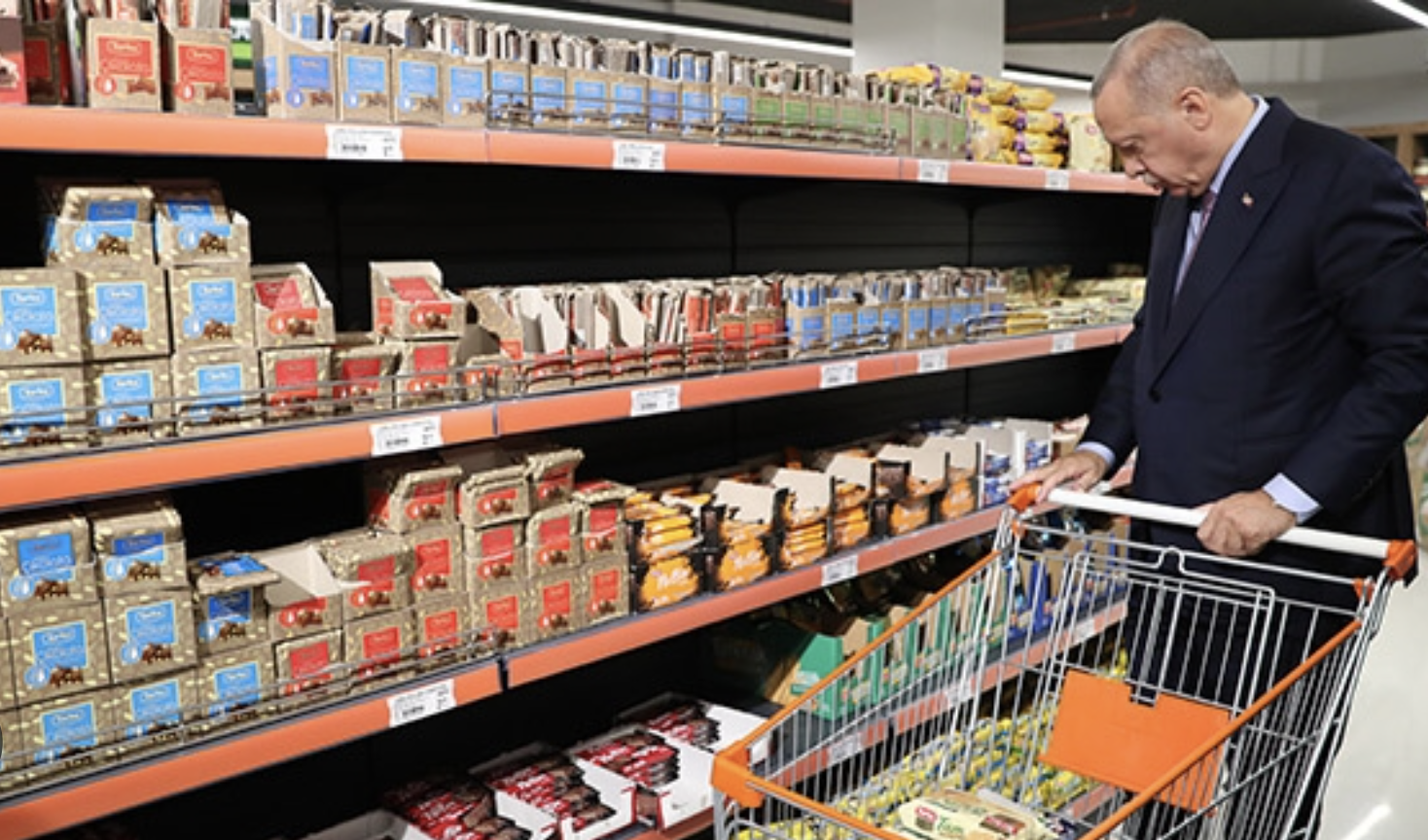 Erdoğan
In an effort to address rising food prices, Turkish policymakers are preparing to launch “Cumhur Reyonu” (People’s Shelf) in chain supermarkets. The initiative aims to make essential products—such as flour, sugar, legumes, oil, and fresh produce—available at fixed, lower prices. Goods will be supplied directly from state warehouses, eliminating intermediaries and reducing overall costs.
The plan is being presented as a step toward curbing food inflation, which has weighed heavily on households, particularly low-income families. However, while some experts see the initiative as a positive short-term measure, others warn about its long-term sustainability and potential manipulation in official inflation statistics.
Economic Experts Split on Impact
İris Cibre: “Positive Goal, But Limitations Ahead”
Economist İris Cibre views the project as a socially valuable intervention that supports disadvantaged groups but notes challenges in execution.
Cibre explains that while targeting food affordability for the poor is commendable, there is a risk of wealthier shoppers also taking advantage of these shelves, which could quickly deplete supply. She raised a key question: “Harcama kapasitesi görece yüksek olanlar da bu reyonları kullanıp arzı yok edecektir bence. Asıl yararlanması gereken kesimi nasıl ayırd edeceksin ki?”
She also emphasized the structural benefits of cutting out middlemen through public storage systems but suggested that a cooperative-based model connecting producers and consumers directly might offer a more lasting solution. “Bunu neden kooperatifleşmeyi destekleyip, aracıları ortadan tamamen kaldırarak genele yaymıyoruz bilmiyorum. Ama, asıl yapılması gereken bu…”
Cibre further compared the initiative to the Kent Lokantası (City Canteens) operated by opposition municipalities, which she said are more effective in reaching wide populations with affordable meals. In contrast, she argued, “Cumhur Reyonu tek başına bir reyon. Erişilebilirlik, kalite ve tedarik istikrarı gibi unsurlar burada daha kırılgan olabilir.”
Mahfi Eğilmez: “Inflation Data Could Be Affected”
Veteran economist Mahfi Eğilmez approached the topic from another angle, warning that the pricing mechanism might influence inflation measurements by the Turkish Statistical Institute (TÜİK).
On social media, he wrote: “Bundan amaç fiyatları buradan alıp enflasyonu düşük göstermek olabilir.” According to him, TÜİK could potentially record prices from these subsidized shelves instead of regular ones, which would make inflation appear artificially low.
In response, Cibre argued that the inflation basket is determined in advance and not altered mid-year, making such manipulation less likely. However, Eğilmez countered: “Sepet değişimine gerek yok İris Hanım. Mesela beyaz peynirin fiyatını eskiden zincir marketin normal reyonundan alıp sepete koyarken şimdi bu reyondan alıp sepete koyacak. Fiyatları nereden aldığını açıklamadığı için sorun yok.”
This exchange highlighted the transparency concerns surrounding how inflation data is collected and presented.
Political and Social Reactions
Opposition Commentary
The proposal has also sparked political comparisons. Former Tourism Minister Bahattin Yücel suggested that the project mirrors the Kent Lokantası concept but in a narrower scope.
Meanwhile, Serkan Özcan, chief advisor to Istanbul Mayor Ekrem İmamoğlu, criticized the project sharply. On social media, he described it as “iktidara yakışan” and compared it to selective treatment in the judicial system: “Aynısını hukukta da yapmıyorlar mı zaten? Mahkemelerde ‘cumhur reyonunda’ olanlara ayrı, muhaliflere ayrı muamele etmiyorlar mı?” He concluded with: “Allah bu memleketi, market reyonunda bile ayrıştıranlardan tez zamanda kurtarsın.”
Critical Voices from Agriculture Advocates
Journalist İnan Mutlu approached the issue from the perspective of agricultural policy. He argued that decades of neglect toward local farmers had weakened domestic production, leading to heavy reliance on imports.
Mutlu wrote: “İktidarda olduğun 20 yıldan uzun süredir yerli tarımı tasfiye et. Bütçede tarıma destek ödemelerini yüzde 1’in altına düşür. Kendi çiftçine vermediğin parayı ithalata harca. Sonra ben size ucuz ürün satacağım diye propaganda yap. Sahi, gıda enflasyonu düşmüyor muydu?”
This criticism highlights a key contradiction: while food inflation control is presented as a goal, structural agricultural policies may still be undermining long-term stability.
How the Project Will Work
According to reports in Yeni Şafak, the rollout of Cumhur Reyonu will cover around 10–15% of space in over 55,000 chain supermarkets. Products will be distributed directly from state-managed warehouses, aiming to cut logistics and middleman costs.
The shelves are expected to feature 100–150 essential goods, including flour, sugar, oil, legumes, and a variety of fresh produce. Beyond supermarkets, the system is intended to integrate with local marketplaces and large-scale food producers to expand distribution.
By stabilizing these goods, the government hopes to bring balance to the inflation basket, where food prices play a dominant role, while easing the financial strain on lower-income households.
Balancing Relief and Sustainability
The introduction of Cumhur Reyonu has opened a national debate. On one hand, it promises immediate relief for families struggling with high grocery bills. On the other, questions remain about how accessible, fair, and sustainable the program will be—especially if wealthier groups also benefit disproportionately.
Furthermore, the project has drawn attention to broader issues: the state of domestic agriculture, the reliability of inflation statistics, and the long-term efficiency of temporary price interventions. Whether Cumhur Reyonu becomes a successful anti-inflation measure or a short-lived political symbol remains to be seen.