Cracks in Erdogan’s Ruling Bloc? Coalition Tensions With Bahceli Expose a Fragile Partnership
 bahceli erdogan2
Despite reassurances from both leaders, growing frictions within Turkey’s ruling AKP–MHP alliance point to diverging interests over Kurdish policy, foreign relations, and control of the security bureaucracy. Yet the coalition remains vital for both sides’ survival.
Excerpt from Ragip Yoslu’s blog (Middle East Eye)
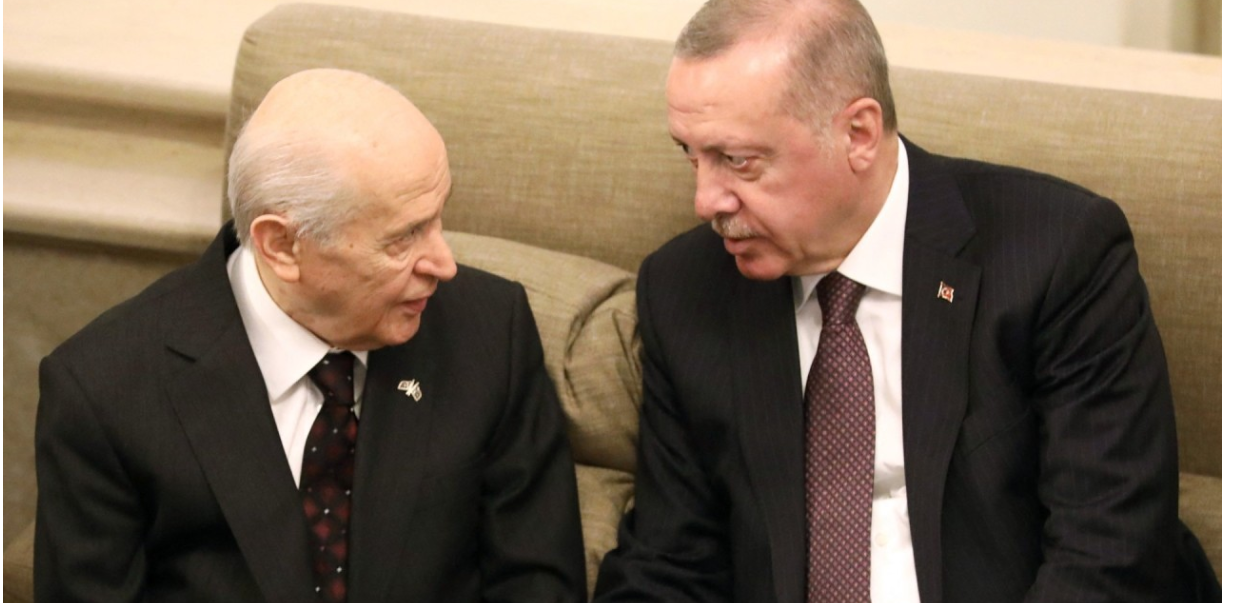
Turkish President Recep Tayyip Erdogan met his far-right ally Devlet Bahceli on Wednesday amid persistent speculation of a rift within their ruling coalition. The meeting followed Bahceli’s absence from the Republic Day reception on October 29, an omission that set off a new wave of political gossip in Ankara.
Both leaders have since publicly denied any discord between the Justice and Development Party (AKP) and the Nationalist Movement Party (MHP). But multiple sources in the capital say there are real tensions—particularly over the Kurdish peace process, foreign policy, and bureaucratic appointments.
“Make no mistake: this is a political marriage,” one Ankara insider said. “A divorce would not happen overnight, but the relationship is no longer as seamless as it once appeared.”
Divisions Over Kurdish Policy and the Courts
Bahceli has privately voiced discontent over a number of recent judicial and political developments, particularly the arrest of opposition mayors. His criticism reportedly centered on the detention of Ahmet Ozer, the CHP mayor of Istanbul’s Esenyurt district, who had received support from the pro-Kurdish DEM Party.
When Ozer was unexpectedly released earlier this week, he publicly thanked Bahceli, signaling that the nationalist leader had played a role in the decision.
Even more striking are Bahceli’s reported comments supporting the release of Selahattin Demirtas, the jailed former co-chair of the HDP (now DEM). The European Court of Human Rights has ruled that Demirtas’s continued detention violates international law, but many within the AKP remain opposed to his freedom.
Bahceli is said to view Demirtas’s release as a potential catalyst for renewed peace talks with the PKK, helping Ankara reduce tensions in the southeast.
The MHP leader has also demanded that the parliamentary commission tasked with preparing a reintegration law for former PKK members visit Abdullah Ocalan, the PKK’s imprisoned leader, on Imrali Island. Erdogan has so far remained silent on the issue.
Turkish Polls Show Statistical Dead Heat Amid Record Economic Gloom
Foreign Policy Friction: From Cyprus to China
Tensions are not limited to domestic politics.
Bahceli has sharply criticized Ankara’s handling of recent elections in Northern Cyprus, where pro-federation candidate Tufan Erhurman won the presidency. While Erdogan congratulated Erhurman and hinted at possible flexibility in Cyprus policy, Bahceli called for the island’s annexation, underscoring a deep policy rift.
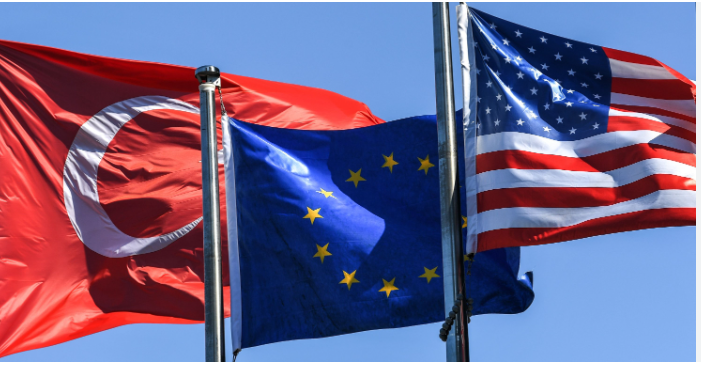
The MHP chief also stunned Ankara in October when he called for a strategic alliance between Turkey, Russia, and China—a statement made while Erdogan was visiting the United States. The remarks, which Erdogan dismissed as “personal opinions,” exposed growing unease over the president’s pro-Western foreign policy shift since his 2023 re-election.
Analysts note that while these ideological differences are significant, neither side appears willing to risk a full-scale break before the next election cycle.
Power Struggles Within the State Apparatus
According to political sources in Ankara, the most immediate source of frustration for the MHP comes from the Interior Ministry’s police reshuffle led by Minister Ali Yerlikaya. The MHP reportedly viewed the decision to replace several provincial police chiefs without consultation as a breach of coalition protocol.
The MHP has historically exerted influence within the security establishment and judiciary, where its loyalists hold key posts. Any erosion of that influence could undermine the delicate internal balance that sustains the AKP–MHP partnership.
Despite these strains, observers say there is no fundamental rupture. The coalition continues to function as a mutually beneficial power arrangement, particularly in maintaining control over state institutions and managing nationalist sentiment within the electorate.
Looking Ahead: 2026 and Beyond
While few expect an imminent collapse of the ruling bloc, the months ahead could prove decisive. Erdogan faces growing pressure to clarify whether he intends to seek another term in office, a decision that may require new alliances with both pro-Kurdish and centrist right-wing parties such as DEVA and Gelecek.
As Turkey’s political map evolves, managing these competing interests—while keeping Bahceli onside—may be Erdogan’s greatest test since his return to power.
PA Turkey intends to inform Turkey watchers with diverse views and opinions. Articles on our website may not necessarily represent the view of our editorial board or count as endorsement.
Follow our English-language YouTube channel: REAL TURKEY
Twitter: @AtillaEng
Facebook: Real Turkey Channel