Court Standoff Deepens Over CHP Istanbul Trusteeship Case
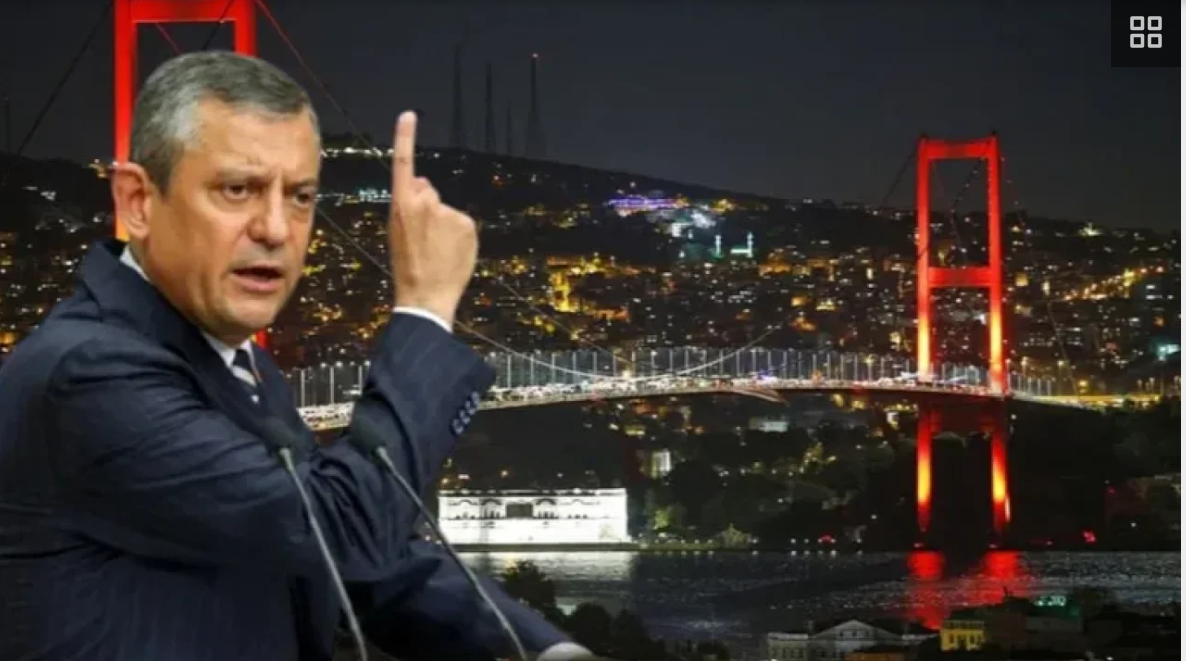
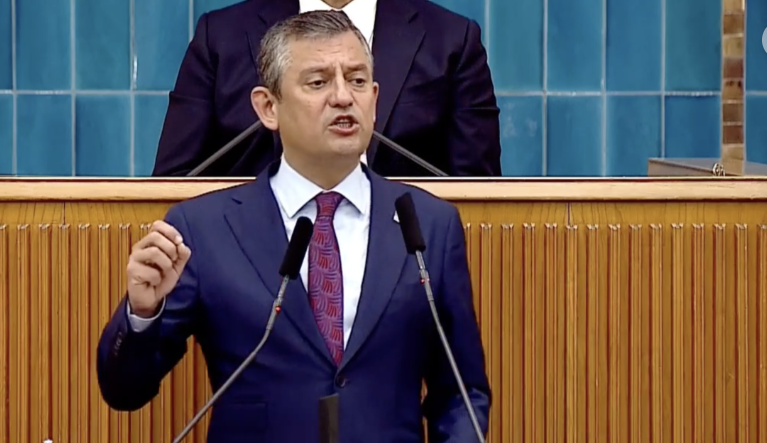 CHP Özgür Özel
The long-running legal battle over the trusteeship imposed on the CHP Istanbul Provincial Organization has entered a new and uncertain phase. The Istanbul 45th Civil Court of First Instance rejected the CHP lawyers’ request to dismiss the case outright and announced that the controversial kayyum (trustee) decision will be reassessed between hearings. The court postponed the next session to 27 February 2026, signaling that the dispute will stretch deep into the political calendar and continue to shape party dynamics and public debate.
Court Rejects Authority Objection and Splits the Files
During the second hearing, lawyers representing CHP and lawyers for plaintiff Özlem Erkan presented sharply contrasting arguments. CHP’s legal team maintained that the case lacked grounds and must be dismissed. At the same time, the plaintiff’s counsel urged the court to consider allegations referenced in indictments involving the Istanbul Metropolitan Municipality and businessman Aziz İhsan Aktaş.
The court rejected the CHP’s jurisdiction objection, ruling that it would continue to hear the case. At the same time, it ordered that files concerning defendants other than the CHP Headquarters be separated and assigned new case numbers. To gather further evidence, the court requested documents from the District Election Boards regarding the most recent internal votes held in Istanbul.
Crucially, the court stated that its earlier decision to appoint trustees would be reconsidered between hearings, a move that leaves the current status of the provincial administration in legal limbo.
CHP Takes the Case to the Constitutional Court
A day before the hearing, the CHP Istanbul Provincial Organization announced that it had filed an individual application with the Constitutional Court (AYM). The application argues that the trusteeship ruling violates the rights to elect and be elected, freedom of association, and other constitutional protections guaranteed to party members.
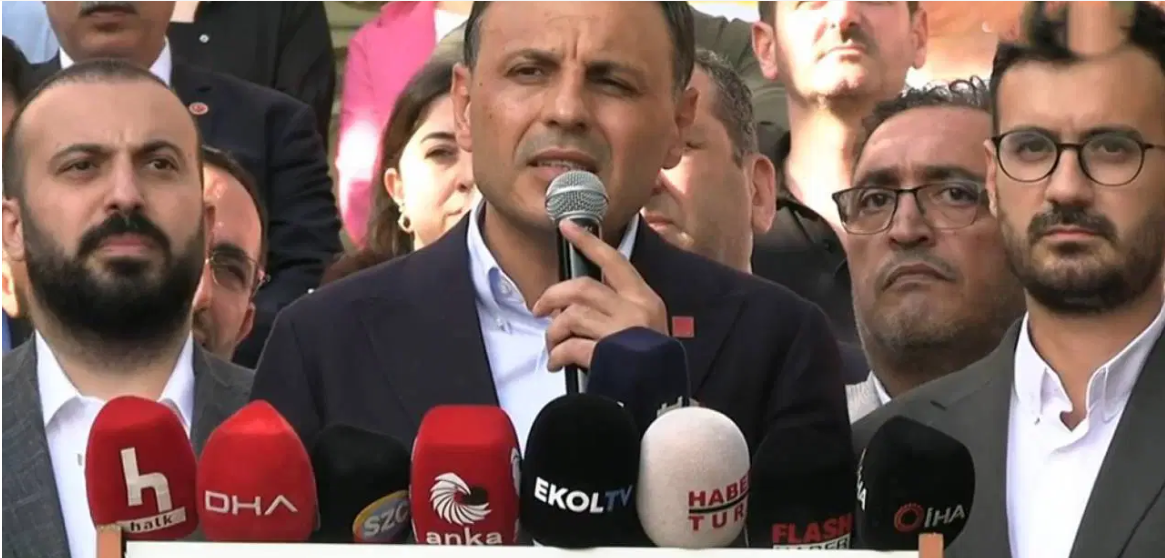
CHP Istanbul Chair Özgür Çelik, who was temporarily removed along with his administration by the court’s initial ruling, emphasized that similar lawsuits had previously been deemed outside the jurisdiction of Istanbul courts and transferred to Ankara. There, the cases were evaluated on their merits and subsequently dismissed.
According to Çelik, this shows that the 45th Civil Court of First Instance is not the competent authority, thereby strengthening their argument for violations of constitutional rights.
A Turbulent Timeline Shaping the Party’s Trajectory
The conflict began after the 8 October 2023 provincial congress, where Çelik and his team were elected. Months later, the court temporarily removed the elected administration and appointed a trustee board led by Gürsel Tekin and his associates.
The trusteeship decision triggered dramatic scenes in Istanbul.
On 2 September, police surrounded the CHP Istanbul Provincial building, and crowds attempting to enter were dispersed with tear gas. In response, party delegates convened two extraordinary congresses, one in Beşiktaş, the other in Bahçelievler, where Çelik was re-elected.
Attempts to block these congresses were rejected by the Supreme Electoral Council (YSK). Its President Ahmet Yener reiterated that once a party congress has begun, it cannot be halted under the constitution. This position effectively validated the delegates’ actions, setting the stage for the ongoing legal struggle.
What Comes Next?
With the next court date nearly a year and a half away, the trusteeship issue remains unresolved and politically charged. The court’s decision to reassess the trustee appointment outside the hearing timetable introduces an unpredictable variable that may reshape CHP’s internal structure long before the next session.
Meanwhile, the outcome of the Constitutional Court application could redefine the legal boundaries of party autonomy, internal elections, and judicial intervention in political organizations.
As the legal fight continues, the case stands at the intersection of party governance, judicial authority, and constitutional rights, making it a pivotal development not only for the CHP but for broader debates over democratic processes within Turkey’s political parties.