



Corruption Probe Rocks Yahşihan: AKP Mayor and Business Figures Detained
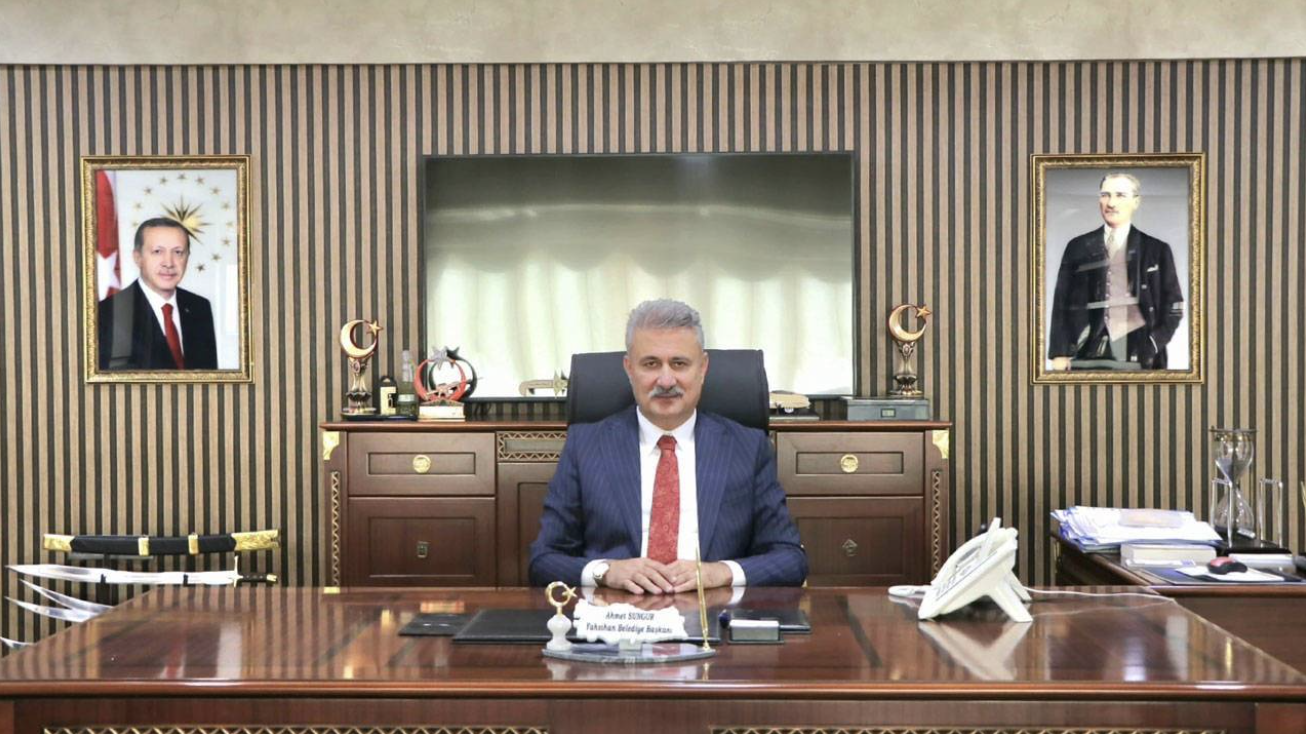 Ahmet Sungur
Authorities in Kırıkkale have launched a high-profile corruption investigation that has sent shockwaves through local politics. As part of the probe into alleged misconduct at Yahşihan Municipality, eight individuals—including the sitting mayor—were taken into custody on September 19, 2025.
The central figure, Mayor Ahmet Sungur of the AKP, now faces both legal scrutiny and political fallout. Following his detention, the ruling party announced that Sungur had been referred to the AKP Central Disciplinary Committee with a request for expulsion.
The Kırıkkale Chief Public Prosecutor’s Office coordinated the operation, while specialized units from the Anti-Smuggling and Organized Crime Division carried out raids targeting municipal officials and associated businesspeople. The allegations center on “extortion through coercion” (icbar yoluyla irtikap), a serious offense under Turkish law.
Who Was Detained?
According to police statements, the detainees include:
-
Ahmet Sungur, Mayor of Yahşihan (AKP)
-
C.Y., current Deputy Mayor
-
O.U., former Deputy Mayor
-
S.A., Director of Zoning
-
Y.N.Y. and M.S., municipal employees
-
U.B., former zoning director and businessman
All are being held for questioning as the investigation continues.
Political Response: Expulsion Proceedings Begin
The AKP moved swiftly to distance itself from the unfolding scandal. In an official statement, the party leadership confirmed Sungur’s referral to its disciplinary board:
“An investigation has been launched by the Kırıkkale Chief Public Prosecutor’s Office against Yahşihan Mayor Ahmet Sungur on charges of extortion, and he has been detained. The AKP Central Executive Board has decided to refer him to the Central Disciplinary Committee with a request for expulsion from the party.”
This decision marks a rare but decisive move to contain political damage, highlighting the seriousness with which the case is being treated inside the ruling party.
Not the First Scandal in Yahşihan
The Yahşihan Municipality has been plagued by corruption allegations before. In May and August of 2025, former Mayor Osman Türkyılmaz and more than a dozen associates were also swept up in an “irtikap” investigation. Several suspects, including Türkyılmaz himself, were arrested and formally charged, while others were released pending trial.
These back-to-back probes suggest a pattern of systemic issues within the municipality, raising broader questions about governance, oversight, and accountability at the local level.
Family Troubles Add to Controversy
The scandal surrounding Mayor Sungur is further complicated by the behavior of his son. In May 2025, Mahir Sungur was detained after allegedly driving under the influence and firing shots into the air. Though he was later released, the incident cast a shadow over the mayor’s public image, feeding perceptions of misconduct and recklessness linked to the family.
Now, with Ahmet Sungur himself facing corruption allegations, the two incidents together paint a damaging picture for both the individual and the party he represents.
The Broader Picture: Corruption and Public Trust
The Yahşihan case highlights a recurring issue in Turkey’s municipal politics: the erosion of public trust in local administrations. Extortion and zoning-related irregularities have been among the most common corruption charges in recent years, reflecting the high stakes tied to urban development and land-use decisions.
The fact that two successive mayors of Yahşihan—representing different political periods—are now entangled in corruption scandals underscores the depth of the problem. Citizens are left questioning not only the integrity of individual leaders but also the strength of institutional safeguards meant to prevent such abuses.
What Comes Next?
For Mayor Sungur and the others detained, the immediate future hinges on the outcome of police interrogations and the prosecutor’s decisions. If charges are formalized, the case could head to trial, potentially leading to prison terms.
For the AKP, the episode presents both a challenge and an opportunity. On one hand, another corruption scandal risks undermining public confidence at a sensitive political moment. On the other, the party’s swift disciplinary action may be framed as evidence of its willingness to act decisively against wrongdoing in its ranks.
For Yahşihan’s residents, the question remains whether these operations will lead to meaningful reforms—or if the cycle of corruption and scandal will simply continue with new actors.