COMMENTARY: Release Demirtaş and Other Political Prisoners to Prove Commitment to EU and Democracy
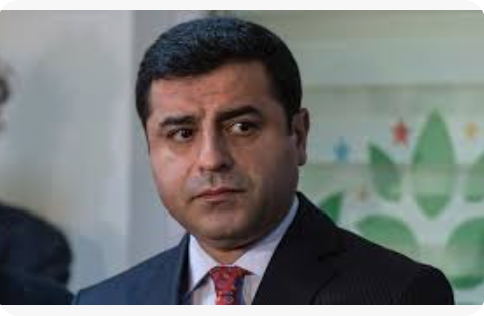 selahattin demirtas
By Murat Yetkin
ECHR Rejects Turkey’s Final Appeal on Demirtaş as MHP’s Bahçeli Urges His Release After Nine Years of Imprisonment
ISTANBUL – The Turkish government is facing mounting internal and external pressure to finally implement a binding ruling from the European Court of Human Rights (ECHR) and release former pro-Kurdish Peoples’ Democratic Party (HDP) co-leader Selahattin Demirtaş, who marked nine years in prison this month.
The pressure intensified after the ECHR rejected a final appeal by the Turkish Justice Ministry on November 3, solidifying its previous finding that Demirtaş’s prolonged conviction constituted a violation of his rights. This rejection makes the ECHR’s initial judgment final and legally binding under international law.
The Legal Deadlock and Political Irony
The ruling comes despite both the ECHR and Turkey’s own Constitutional Court (AYM) having previously ruled in Demirtaş’s favor, judgments which remain unheeded by Turkish courts.
The political dynamics surrounding the case have taken a stunning turn. President Erdoğan’s key alliance partner, Nationalist Movement Party (MHP) leader Devlet Bahçeli, publicly stated that Demirtaş’s release “would be auspicious,” a comment widely seen as an attempt to clear the political path for the government to comply with the ruling.
This surprising shift from a hardline nationalist ally has placed the burden of action squarely on the ruling Justice and Development Party (AKP). The appeal by the Justice Ministry—lodged on October 8—was widely criticized by the opposition DEM Party (successor to the HDP) and the Republican People’s Party (CHP) for being inconsistent with the government’s much-touted “Terror-Free Turkey” initiative.
From Edirne Prison, Demirtaş himself tied the ECHR ruling not just to his case, but to the nation’s future:
“The ECHR ruling is, of course, important and legally binding. But beyond our case, what truly matters for all 86 million citizens is the ‘law of brotherhood’ that binds us together.”
🇪🇺 Democracy Cannot Be Selective
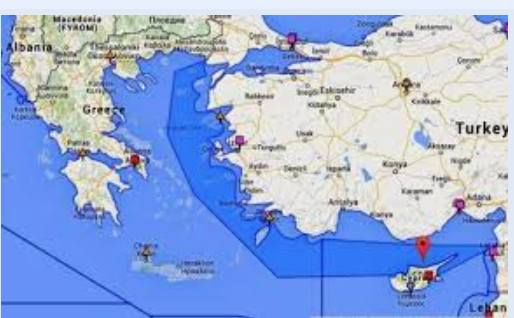
The case forms a central sticking point in Turkey’s strained relationship with Europe and its stated goal of reviving EU membership talks.
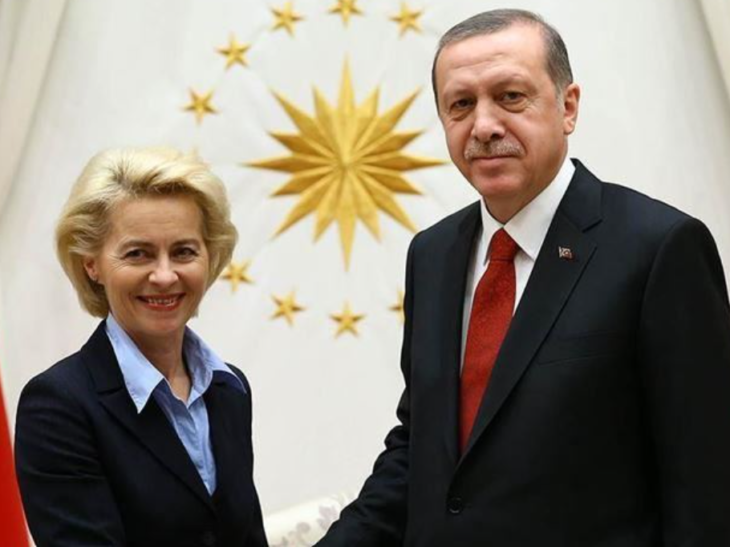
On October 30, President Erdoğan and German Chancellor Friedrich Merz held a joint press conference in Ankara. While Erdoğan expressed his government’s desire for deeper EU ties, Merz pointedly referenced the need for Turkey to fulfill the Copenhagen political criteria—the bedrock requirements for democracy and human rights.
Moreover, while Erdoğan’s Chief Legal Advisor Mehmet Uçum recently referred to new steps under the “Terror-Free Turkey” framework that would address “expectations for the development and strengthening of democracy,” critics argue that democracy cannot be strengthened while opposition politicians and civil society figures remain imprisoned on dubious grounds.
The issue extends far beyond Demirtaş to include a host of prominent opposition figures whose continued detention directly violates rulings by Turkey’s highest court or the ECHR:
- Osman Kavala and other defendants convicted in the Gezi Trial (including Çiğdem Mater Utku and Mine Özerden).
- Former HDP co-leader Figen Yüksekdağ.
- TİP MP Can Atalay, who remains imprisoned despite an AYM ruling that should allow him to assume his parliamentary duties.
🔑 The Legal Pathway is Already Clear
The Turkish Constitution already provides a simple mechanism for resolving these deadlocks. Article 90—adopted under the AK Party’s tenure—stipulates that international agreements, including ECHR rulings, take precedence over domestic law in cases of conflict.
Legal experts argue that no new legislation or “transitional law” is necessary. Simply upholding the existing Constitution would suffice. As newly appointed Court of Cassation President Ömer Kerkez emphasized on October 20, rulings by the Constitutional Court must be respected.
EU Report Criticizes Democracy, Human Rights, and Rule of Law in Turkey
The Demirtaş verdict, coupled with the AYM’s October 17 decision in Tayfun Kahraman’s case, provides the government with a clear opportunity to reset its course, ease political tensions, and demonstrate concrete action toward its declared goals of European integration and democratic maturity.
The message from the opposition and international partners is unified: If the government is serious about democracy and European integration, it must prove it now. Release Demirtaş—and the others too.