



Coca-Cola Hit With Major Fine After Data Deletion During On-Site Inspection
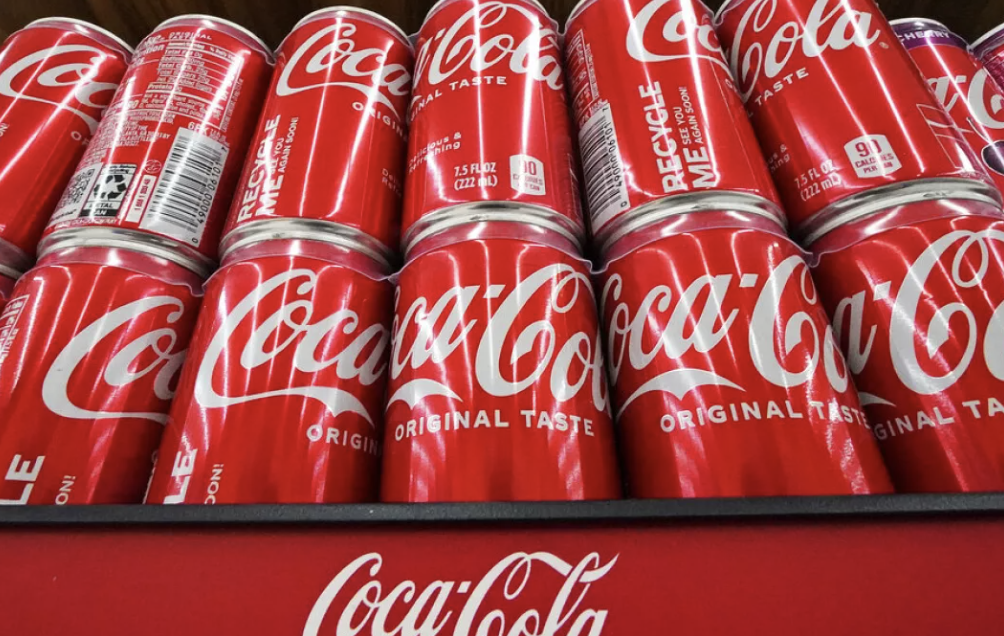 Coca Cola
Coca-Cola Türkiye has been handed a 282 million TL administrative fine after an on-site investigation revealed that data had been deleted during the inspection process. According to the Competition Authority, the deletion occurred after officials began their examination—an act considered a direct obstruction under Turkish competition law.
The Authority emphasized that this violation, even if caused by a momentary lapse or a mistaken action by company personnel, carries severe financial consequences because on-site inspections play a critical role in uncovering competition infringements.
Data Deletion During Inspection Triggers Harsh Penalties
In its public statement, the Competition Authority underscored a principle that applies to all companies subject to inspection: once an on-site investigation begins, no data—regardless of device, format, or reason—may be deleted or altered.
The institution highlighted a clear and strict rule:
“Even a single deletion process can expose a company to a penalty equal to five per thousand of its annual turnover.”
This warning is grounded in the operational tools used during inspections. Modern forensic technology allows inspectors to track data deletions in real time, identify attempted modifications, and restore critical digital traces. Because these tools make it nearly impossible to hide tampering, the Authority stressed that companies should avoid any action that could be interpreted as interference.
Officials also clarified a critical boundary:
Inspections focus strictly on business-related data.
Personal or sensitive employee information is not examined, ensuring privacy protections remain intact throughout the process.
A Strong Message Directed at All Companies in Türkiye
The decision sends a powerful signal to the broader business community. According to the Authority, full compliance with inspection requirements is not only a legal duty but also the only reliable safeguard against substantial fines that can disrupt operations and damage corporate reputation.
The Competition Authority framed the Coca-Cola case as a reminder that transparency and cooperation are essential. Inspections conducted under Law No. 4054 serve as one of the most important mechanisms for uncovering potential anti-competitive practices, which can include market allocation, price fixing, abuse of dominance, or coordinated behavior between firms.
How On-Site Inspections Work and Why They Matter
Under the Authority’s legal powers, expert teams can review all business-related information stored on company systems. This includes:
-
computers and laptops
-
corporate mobile phones and tablets
-
servers and cloud-based repositories
-
messaging applications used for business purposes
-
internal communication tools and archived files
Inspectors may also request written or verbal statements from employees at any level of the organization, as needed, to clarify internal processes or confirm the context of digital evidence.
These extensive powers are granted because on-site inspections frequently provide the decisive evidence required to uncover hidden anti-competitive behavior—often far more effectively than written requests or voluntary submissions.
Why Coca-Cola’s Case Stands Out
While the Authority routinely conducts inspections across multiple sectors, cases involving data deletion are relatively rare—and taken extremely seriously. Coca-Cola’s penalty appears to be rooted not in the content of the data but in the act of deleting information during a legally mandated inspection, which automatically constitutes a hindrance.
Industry experts expect this decision to become a precedent-setting example, likely to be referenced in compliance training, corporate governance guidelines, and internal risk management procedures across Türkiye’s business environment.
Companies operating in highly competitive industries—such as food and beverage, retail, telecommunications, healthcare, and digital markets—are expected to take particular note.