CHP’s Özgür Özel Hails “Freedom March” as Historic Protest at Silivri Prison
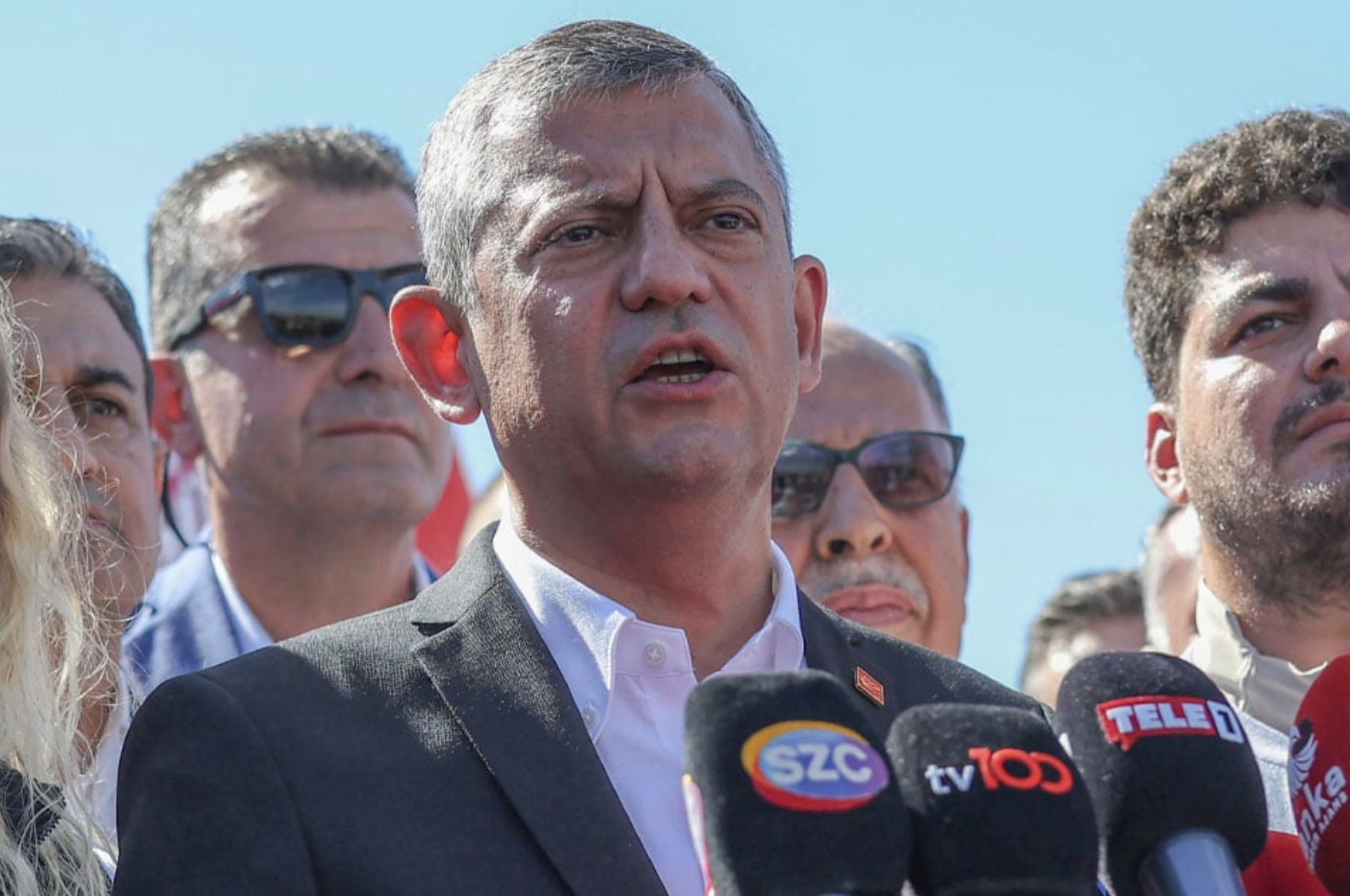 Özgür Özel
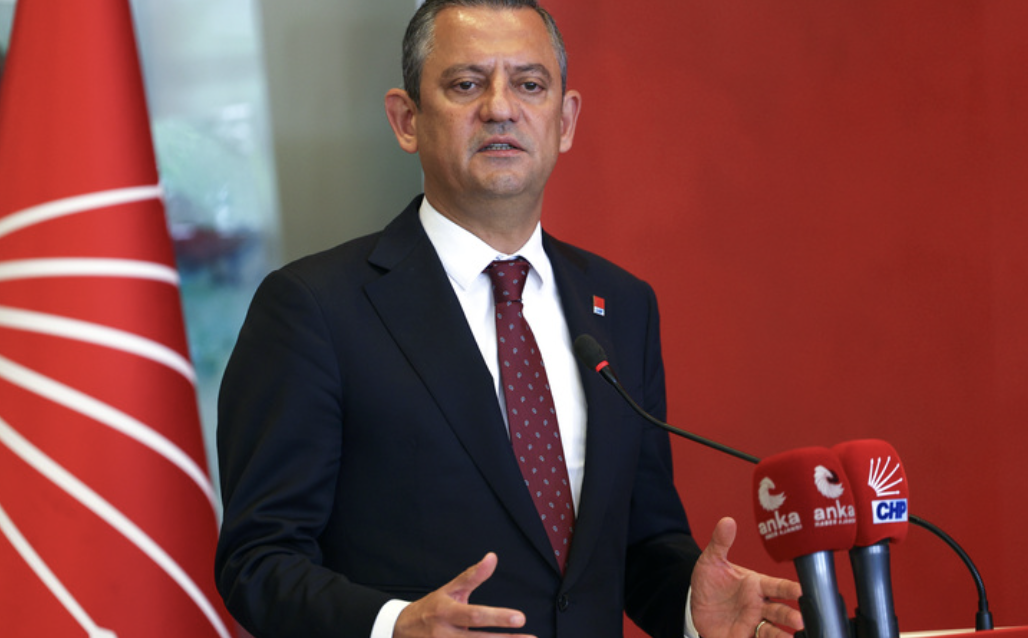
CHP leader Özgür Özel joined young party members at Silivri Prison after they completed a 1,500-kilometer “Freedom March” from Adana, describing the protest as one that “will go down in world history.” The event was staged in solidarity with detained CHP mayors, most notably Adana Metropolitan Municipality Mayor Zeydan Karalar, whose arrest Özel called politically motivated.
The demonstration underscored growing political tensions in Turkey as opposition leaders accuse the government of using the judiciary to suppress dissent.
A 1,500-Kilometer March for Justice
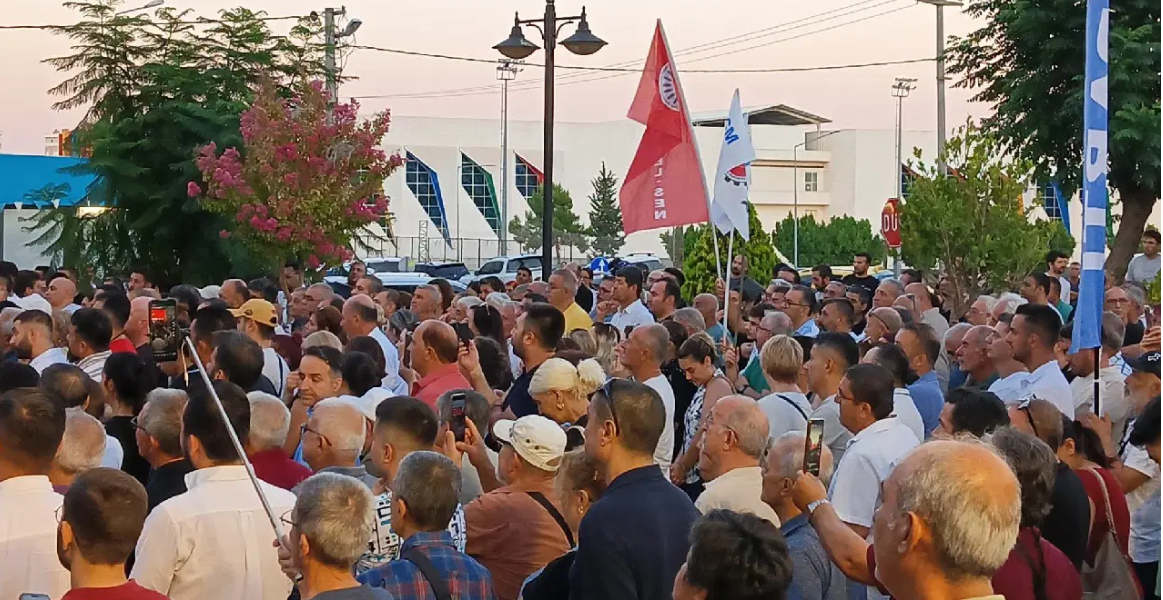
Members of the CHP Youth Branch walked the lengthy route from Adana to Silivri, demanding justice and protesting what they see as politically driven trials. The group of nine young marchers was welcomed by Özel and other party figures at the gates of Silivri Prison.
Özel praised the youth for their determination:
“We accompanied the final steps of a march that will go down in the history of world politics. They came here to defend the will of Adana and their elected mayors. This action will take its place in the glorious history of democracy.”
He emphasized that the walk symbolized the transfer of justice back to Adana, saying, “Young friends walked 1,500 kilometers to carry justice from Silivri back to Adana.”
Symbolic Legacy for Party History
To underline its significance, Özel announced that artifacts from the march—such as the T-shirts worn by the participants and the declaration read during the protest—would be placed in the CHP Museum, cementing the demonstration in the party’s institutional memory.
Zeydan Karalar’s Arrest: “Unlawful and Political”
Central to the protest is the case of Zeydan Karalar, who was detained over a procurement file dating back more than a decade. Özel called the process “unlawful and a political trick,” arguing that the accusations lack legal clarity.
“The contractor in question had received the tender before Karalar’s term under the AK Party administration. The contract was never renewed, the same payment was made, and the amount alleged to involve bribery was actually less than what was later paid. Everything is documented. Yet without an indictment, this persecution continues.”
According to Özel, the charges against Karalar are part of a broader campaign aimed at weakening opposition municipalities.
Judicial Transfers and Political Influence
Özel also criticized the relocation of cases from one province to another, claiming it violated judicial procedure. He cited the principle that trials should be conducted where the alleged crime occurred.
“In Kütahya, files from the previous MHP mayor remain there. But when it comes to CHP mayors, they are transferred from Adana to Silivri. This is because in Adana they could not find judges to orchestrate this plot. This is Akın Gürlek’s justice dragged from Adana to Silivri.”
By naming Judge Akın Gürlek, Özel accused elements of the judiciary of acting under political orders, suggesting that the judicial process is subordinated to executive influence.
Erdoğan and the Opposition
In the latter part of his speech, Özel directly addressed President Recep Tayyip Erdoğan, alleging that the judicial moves are ultimately aimed at preventing Ekrem İmamoğlu, the CHP’s popular mayor of Istanbul, from advancing politically.
“The first target is Ekrem İmamoğlu. The ultimate goal is to ensure Erdoğan remains in the presidency. This is not only against the CHP but also against the will of the people.”
He accused the government of bending the law for political survival, framing the march as a fight between imposed authority and genuine public will:
“One draws power from the president, from an unlawfully granted decree, from law enforcement. The other draws power from the people, from Adana. Those who sweat for their people will always prevail.”
“Adana Will Not Forget”
Özel concluded with a pointed warning that Adana voters would hold the government accountable:
“Neither Zeydan Karalar, nor Kadir Aydar, nor Oya Tekin will be broken. Adana will never forget this injustice and will not forgive those responsible. That day will come, and we will all see it together.”
The remarks tied the march back to the broader political struggle, casting it as both a symbolic and practical challenge to what Özel described as authoritarian judicial practices.
Broader Implications
The Freedom March not only amplified calls for justice but also highlighted the role of youth activism in Turkey’s opposition movement. For many observers, the sight of young party members walking across the country was a reminder of earlier mass mobilizations, such as the 2017 “March for Justice” led by former CHP leader Kemal Kılıçdaroğlu.
Analysts argue that the demonstration reflects growing frustration with the judiciary’s role in political disputes and may shape upcoming electoral dynamics in Adana and beyond. The symbolism of carrying justice “back to Adana” signals that local identity and regional solidarity remain powerful forces in Turkish politics.