Child Crime in Turkey Soars 51% in Nine Years
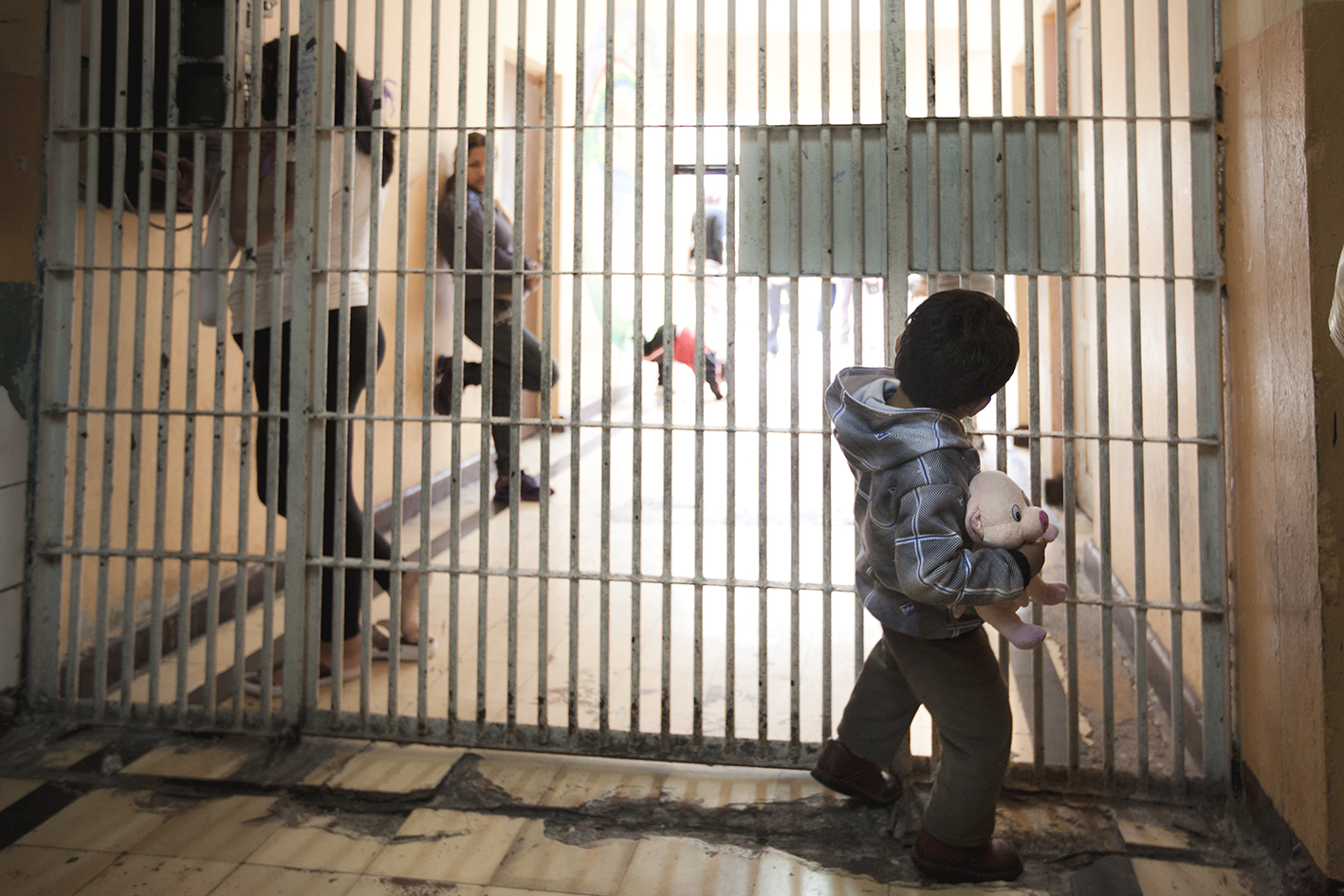
 Turkish prisons
New figures from the Turkish Statistical Institute (TÜİK) paint a grim picture of the state of youth and justice in Turkey. Over the past nine years, the number of children drawn into crime has surged by 51.5%, reaching 202,785 cases in 2024. The most alarming spikes were recorded in organized crime-related offenses, including murder, drug trafficking, and assault — signaling a deep social and institutional crisis.
According to TÜİK’s data, murder cases involving children rose from 549 in 2015 to 1,270 in 2024, marking a 131% increase. Likewise, the number of minors involved in drug dealing soared by 119.5%, reaching 16,563, while assault and injury incidents — the most common category — climbed 78.5% to 81,875 cases.
These figures reveal a disturbing trend: organized criminal groups are increasingly recruiting vulnerable minors, exploiting their legal leniency and social marginalization.
‘Poverty and Lack of Education Are Feeding the Cycle of Crime’
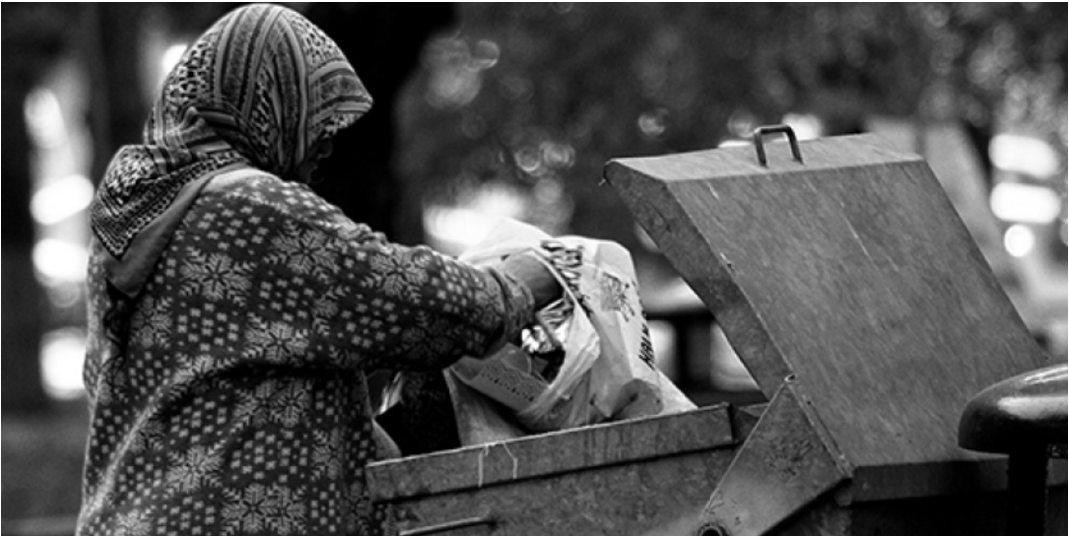
Experts say the dramatic rise in child crime is a symptom of systemic poverty, social neglect, and educational collapse.
Hasan Erdoğan, President of the Ankara Bar Association’s Child Rights Center, told NEFES that economic hardship is the dominant driver pushing children into unlawful activities.
“Around 80% of the children who stand trial are accused of economic crimes,” Erdoğan said, emphasizing that poverty remains the root cause of juvenile delinquency in Turkey.
He outlined the three core issues perpetuating the crisis:
-
Child Poverty: The main source of economic and property-related offenses.
-
Educational Disconnection: Policies that fail to keep children in school create a breeding ground for vulnerability.
-
Exposure to Organized Networks: Many children, cut off from state oversight, are left to the influence of religious groups, gangs, and organized crime syndicates.
Organized Crime Networks Exploiting Vulnerable Minors
The report highlights how criminal organizations deliberately target underprivileged youth, recruiting them as couriers, lookouts, or low-level enforcers — roles that minimize their exposure to harsh punishment under the juvenile system.
Experts warn that systemic failure and weak social protection policies have left thousands of children outside education and supervision, making them easy prey for criminal networks that promise money, status, and belonging.
‘A System in Collapse’: Tragic Cases Illustrate the Crisis
The report references three recent murder cases as evidence of systemic collapse. One of the most shocking is that of 14-year-old Mattia Ahmet Minguzzi, who was beaten to death by four peers.
In a letter written by one of the detained minors, the phrase —
“We’ll do our time like lions… don’t worry” —
became a chilling symbol of the culture of impunity that experts say is spreading among youth offenders.
Such statements, child rights advocates argue, reflect a distorted perception of justice, where punishment is seen as temporary and crime as a viable path to social acceptance or economic survival.
Calls for Urgent Reform
Legal and social experts are urging the government to rebuild the child protection and education system, focusing on early intervention and community-based rehabilitation.
Erdoğan warned that if current trends persist, Turkey risks raising a lost generation disconnected from both education and lawful society.
“When the state abandons its children,” he said, “criminal organizations adopt them.”
Without decisive social investment, experts fear that juvenile crime will continue to rise, deepening social inequalities and eroding trust in institutions designed to protect minors.